Noren Care: Washing Your Japanese Curtain for Lasting Beauty
Understanding Your Noren Fabric: Identifying Materials Before Washing
The simple noren (暖簾), that humble yet expressive fabric divider, is more than just a doorway adornment in Japan. From bustling ramen-ya (ラーメン屋) to serene tea houses, and even our own homes, noren add a touch of Japanese aesthetics and functionality. But to keep your noren looking their best, understanding the fabric they're made of is absolutely critical. This knowledge will guide you to the right washing approach and ensure your noren continues to bring charm to your space for years to come.
Identifying Common Noren Materials: Cotton, Linen, Hemp, Polyester
The most common materials you'll encounter in noren are cotton (momen or 木綿), linen (asa or 麻), hemp (also asa or 麻, though distinctions exist), and polyester. Each has unique characteristics that influence its care — our noren materials guide covers every fabric in depth.
-
Cotton (Momen / 木綿): Cotton noren are prized for their affordability, durability, and ease of dyeing. They're absorbent, breathable, and relatively easy to care for. You'll find cotton noren in a wide range of weights and weaves, from lightweight sheeting to heavier canvas-like fabrics. Because cotton is so receptive to dyes, you'll also see it used extensively in traditional dyeing techniques like katazome (型染め), a stencil dyeing method, and even aizome (藍染め), indigo dyeing. A cotton noren is a workhorse; suitable for high-traffic areas and regular use.
-
Linen (Asa / 麻): Linen is known for its strength, absorbency, and beautiful drape — see our linen noren curtain guide for buying and styling tips. It has a slightly coarser texture than cotton and a natural sheen. Linen noren often have a more rustic or sophisticated look. Like cotton, linen wrinkles easily, a characteristic some find charming. Linen is also a popular choice for noren meant for summer use, as it feels cool to the touch. The term asa (麻) can refer to both linen and hemp, but for clarity, vendors will sometimes specify ramie (苧麻, choma), a type of bast fiber often included under the general asa umbrella, particularly when the texture is coarser.
-
Hemp (Asa / 麻): Hemp is incredibly strong and durable. Its fibers are even coarser than linen, resulting in a very textured fabric. Hemp noren are often associated with traditional or natural aesthetics. Hemp is less likely to wrinkle than linen, although it can still crease. You'll see hemp noren in more rustic settings, or in designs that highlight the beauty of natural fibers. True hemp is less common than linen or ramie in mass-produced noren but is highly valued for its robustness.
-
Polyester: Polyester noren are prized for their durability, wrinkle resistance, and colorfastness. They're a practical choice for commercial settings or areas where frequent washing is necessary. While polyester lacks the natural feel of cotton, linen, or hemp, modern polyester fabrics can mimic their appearance quite well. These are the most common for outdoor applications as they are more resistant to water damage and fading from sunlight. You might find these outside a casual eatery where frequent cleaning is a must.
Expert Insight: Before washing any noren, always check for a care label (洗濯表示 – sentaku hyōji). Although many smaller shops selling noren in Japan might not include one, if present, the care label provides crucial information about recommended washing methods and ironing temperatures.
Dye Sensitivity: Recognizing Reactive, Pigment, and Natural Dyes
Understanding the type of dye used in your noren is just as important as knowing the fabric. Dyes react differently to washing, and using the wrong approach can lead to fading, bleeding, or even permanent damage.
-
Reactive Dyes: Reactive dyes are commonly used on cotton and linen noren. They form a strong chemical bond with the fabric fibers, resulting in excellent colorfastness. Noren dyed with reactive dyes are generally safe to wash in cool or lukewarm water with a mild detergent. However, prolonged exposure to strong sunlight can still cause fading over time.
-
Pigment Dyes: Pigment dyes are applied to the surface of the fabric rather than bonding with the fibers. They're often used for printing designs on noren. Pigment-dyed noren are more prone to fading and cracking with repeated washing, especially if washed in hot water or with harsh detergents. Gentle hand washing or a delicate cycle in the washing machine is recommended.
-
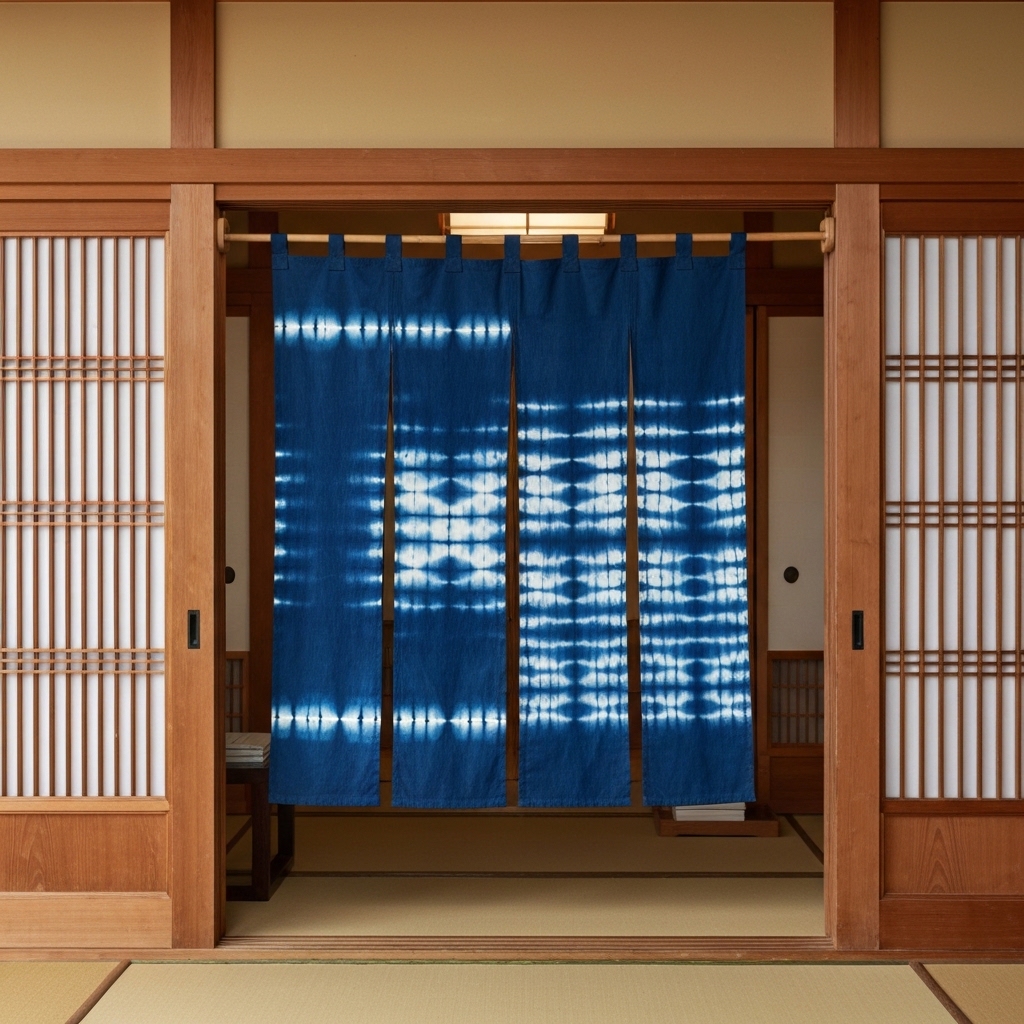
Natural Dyes: Natural dyes, such as indigo (aizome / 藍染め), plant-based dyes, or dyes derived from insects, are a hallmark of traditional Japanese textiles. Aizome noren, in particular, are highly prized for their rich, deep blue color and unique aging characteristics — learn more about the tradition in our indigo noren meaning guide. Natural dyes are often more sensitive to washing than synthetic dyes. Indigo, for instance, may release some dye during the first few washes, a phenomenon known as "bleeding." Hand washing in cold water with a pH-neutral detergent is the safest approach for naturally dyed noren. Some traditionalists would argue against detergent at all, preferring simply cold water rinsing.
For example, if your noren features a bold, graphic design, it's likely printed with pigment dyes. If it has a deep indigo hue and a slightly stiff feel, it's probably dyed with aizome. If it's a simple, solid color cotton noren, reactive dyes are the most likely candidate.
Pre-Wash Shrinkage Expectations: Estimates by Fabric Type
Shrinkage is a common concern when washing natural fabrics. Knowing how much shrinkage to expect can help you avoid unpleasant surprises. All estimates below are approximate, and the actual shrinkage may vary depending on the specific fabric weave and construction.
-
Cotton (Momen / 木綿): Expect cotton noren to shrink by 3-5% during the first wash. This means a noren that is originally 90 cm (35.4 inches) long could shrink by up to 4.5 cm (1.8 inches). Pre-washing cotton fabric before making the noren is a common practice amongst professional artisans to mitigate post-purchase shrinkage, but this isn't always the case for commercially produced items.
-
Linen (Asa / 麻): Linen is known to shrink more than cotton, with an expected shrinkage of 5-10% during the first wash. So, a linen noren that is 90 cm (35.4 inches) long could shrink by up to 9 cm (3.5 inches). It's always a good idea to err on the side of caution and wash your linen noren in cold water to minimize shrinkage.
-
Hemp (Asa / 麻): Hemp shrinkage is similar to linen, around 5-10%. Consider this when choosing the appropriate saotooshi (竿通し, rod pocket) length or when hemming a custom-made noren.
-
Polyester: Polyester noren are generally resistant to shrinkage. You can expect minimal to no shrinkage, typically less than 1%. This makes them a practical choice if you want a noren that maintains its size and shape after washing.
To account for potential shrinkage, consider washing your noren before hemming it, or purchasing a noren that is slightly longer than your desired length. You can always adjust the height by moving the tsuppari-bou (突っ張り棒, tension rod) higher or lower if needed!
Pre-Washing Preparations: Protecting Your Noren's Integrity
Washing a noren (暖簾) requires careful preparation. Rushing into the washing process without taking preliminary steps can damage the fabric, distort the design, or lead to undesirable color changes. Just as a chef meticulously prepares ingredients before cooking, we must prepare our noren before washing to preserve its beauty and longevity. These pre-washing rituals may seem tedious, but they represent respect for the craft and ensure the noren continues to enhance your space for years to come.
Removing Embellishments: Bells, Tassels, and Decorative Elements
Many noren feature delicate embellishments that add to their charm and visual appeal. These adornments, while beautiful, are often the most vulnerable parts of the noren during washing. Before any contact with water, carefully inspect your noren for any detachable elements.
Bells (suzu / 鈴), tassels (fusa / 房), wooden beads, or appliqué work are all examples of elements that should be removed prior to washing. Ignoring this step can result in broken decorations, snagged threads, and even damage to the washing machine itself.
-
Bells: Small bells are often attached with fragile threads or loops. Gently untie these fastenings. If the threads are too delicate to untie, use small, sharp scissors to carefully snip them close to the knot, being careful not to damage the noren fabric itself. Store the bells in a small bag or container so they don't get lost.
-
Tassels: Tassels can become easily tangled and frayed during washing. They are typically attached with a stronger thread or cord. Look for the point of attachment, usually at the top of the tassel, and carefully detach it. You may need to use a needle or seam ripper to gently loosen the stitches. Consider wrapping the tassel in acid-free tissue paper before storing it to maintain its shape.
-
Wooden Beads: Beads, especially those made of natural materials like wood or bone, can be sensitive to water and detergents. The color from painted beads can bleed, staining the noren fabric. Removing them prevents damage and protects the noren’s design.
-
Appliqué Work: While firmly sewn appliqué might withstand washing, delicate or loosely attached pieces are prone to detaching. If the appliqué seems precarious, consider hand-washing the entire noren or spot-cleaning to avoid potential damage.
Keep a record of where each embellishment was attached. Take photos before removing them, or make a simple sketch indicating their original positions. This will greatly simplify the reattachment process after washing. For those with intermediate sewing skills, consider hand-sewing the embellishments back on with a sturdy needle and thread to ensure durability. Alternatively, consider using fabric glue for smaller, lighter embellishments, ensuring the adhesive is compatible with the fabric.
Expert Insight: For antique or particularly delicate noren, it's always best to consult a textile conservator before attempting any cleaning. If you own a vintage noren, extra caution is warranted. They can provide expert advice tailored to the specific fabric and construction of your noren.
Dust and Debris Removal: Brushing or Vacuuming Techniques
Before washing, removing surface dust and debris is essential. This allows the detergent to penetrate the fabric more effectively and prevents dirt from simply redistributing during the wash. Think of it like preparing a canvas before painting – a clean surface yields the best results.
Depending on the fabric and construction of your noren, different cleaning methods are suitable:
-
Brushing: This is an effective method for noren made from sturdy materials like cotton (momen / 木綿) or linen (asa / 麻). Use a soft-bristled brush – a clothes brush or even a clean paintbrush – to gently sweep away dust and loose particles. Always brush in the direction of the fabric weave to avoid snagging or stretching. Pay particular attention to seams, pleats, and areas where dust tends to accumulate.
-
Vacuuming: For more delicate fabrics, or for noren with intricate designs, vacuuming is a gentler option. Use a handheld vacuum cleaner with a brush attachment. Set the vacuum to its lowest suction setting to avoid damaging the fabric. Hold the nozzle slightly above the noren and move it slowly and steadily across the surface. Again, focus on seams and areas where dust collects. You can even use the upholstery attachment on a regular vacuum cleaner, ensuring it is clean and the suction is minimized.
-
Shaking: A simple method, especially effective for lighter noren, involves taking it outside and shaking it vigorously. This helps to dislodge loose dust and dirt. Be mindful of your surroundings and avoid shaking the noren near other objects or people.
After brushing or vacuuming, inspect the noren closely for any remaining stains or spots. These should be treated before washing, as washing may set the stain and make it more difficult to remove later. Use a spot cleaner designed for the specific fabric type, and always test it on an inconspicuous area first to ensure it doesn't damage the fabric or alter the color.
Consider using a lint roller on dark-colored noren to remove any remaining lint or pet hair after vacuuming or brushing. This will further ensure a clean surface before washing and prevent these particles from clinging to the fabric during the wash cycle.
Colorfastness Test: A Crucial Precaution to Prevent Bleeding
One of the most devastating outcomes of washing a noren is color bleeding. A vibrant design can be ruined if dyes run and stain lighter areas of the fabric. Performing a colorfastness test is a simple yet vital step that can prevent this disaster.
The purpose of the colorfastness test is to determine if the dyes used in the noren are stable and resistant to bleeding when exposed to water and detergent. This is especially crucial for noren dyed with traditional methods, such as aizome (藍染め), as natural dyes can sometimes be more prone to bleeding.
Here's how to conduct a colorfastness test:
-
Choose an Inconspicuous Area: Select a small, hidden area of the noren to test, such as a seam allowance, the inside of the saotooshi (竿通し, rod pocket), or a corner of the hem.
-
Prepare a Test Solution: Mix a small amount of mild detergent with lukewarm water, mimicking the solution you plan to use for washing the entire noren.
-
Apply the Solution: Dampen a clean, white cotton cloth with the test solution. Gently dab the dampened cloth onto the chosen area of the noren. Do not rub vigorously.
-
Blot and Observe: Press the white cloth firmly against the dampened area for about 30 seconds. Then, carefully remove the cloth and examine it.
-
Evaluate the Results: If any color has transferred to the white cloth, it indicates that the dyes are not colorfast and may bleed during washing.
If the colorfastness test reveals bleeding, there are several options:
-
Hand-Washing: Hand-washing in cold water with a color-safe detergent is the gentlest approach and can minimize bleeding.
-
Dry Cleaning: If the noren is particularly delicate or valuable, dry cleaning by a professional is the safest option.
-
Vinegar Soak: Some sources suggest soaking the noren in a solution of cold water and white vinegar (about 1/4 cup vinegar per gallon of water) for 30 minutes before washing. Vinegar can help set the dyes and reduce bleeding. However, always test this method on an inconspicuous area first, as vinegar can affect some dyes.
-
Accept the Bleeding: In some cases, especially with older or naturally dyed noren, slight bleeding may be unavoidable. If the bleeding is minimal, you may choose to proceed with washing, knowing that there may be some minor color changes.
The colorfastness test is an investment of a few minutes that can save you from potentially ruining your beloved noren. It provides valuable information and allows you to make informed decisions about the best washing method to preserve its beauty and integrity. Ignoring this step is like driving without fastening your seatbelt – it's a risk that's simply not worth taking.
Washing Methods: Choosing the Right Approach for Your Noren
The ideal washing method depends heavily on your 暖簾 (noren) itself. Consider the fiber composition, the dye, and any embellishments. Overzealous cleaning can damage a precious piece, while neglecting it can lead to irreversible staining. Let's explore the best approaches.
Hand Washing: The Gentlest Option for Delicate Fabrics and Dyes
Hand washing offers the most control and is particularly suitable for antique or heavily decorated 暖簾 (noren). It allows you to carefully monitor the process and prevent damage that a machine might cause. This is highly recommended for delicate silk (kinu / 絹), vintage pieces, or items featuring intricate handwork.
Here’s a step-by-step guide to hand washing your 暖簾 (noren):
-
Prepare your washing basin: Use a clean tub, sink, or large bucket. Ensure it is free of any residue from previous cleaning products. A plastic tub is ideal as it won't react with any dyes that might leach from the fabric.
-
Water Temperature: Lukewarm water is generally best. Avoid hot water, as it can cause shrinkage or fading, especially with natural dyes. The water should feel comfortable to your skin.
-
Choose your detergent: Opt for a pH-neutral detergent specifically designed for delicate fabrics. Baby shampoo can also be a gentle alternative. Avoid harsh chemicals, bleach, or detergents containing optical brighteners, which can alter the color of your 暖簾 (noren). Dissolve the detergent completely in the water before adding the fabric. This prevents concentrated detergent from directly contacting the fabric and causing damage.
-
Submerge and gently agitate: Gently submerge the 暖簾 (noren) in the soapy water. Use your hands to gently agitate the water and fabric, allowing the detergent to penetrate the fibers. Avoid scrubbing, wringing, or twisting the fabric, as this can damage the fibers and distort its shape.
-
Soak (optional): For heavily soiled items, you can soak the 暖簾 (noren) for up to 30 minutes. However, avoid prolonged soaking, especially for dyed fabrics, as it can lead to color bleeding. Check the water periodically to see if any dye is being released.
-
Rinse thoroughly: Drain the soapy water and refill the basin with clean, lukewarm water. Gently rinse the 暖簾 (noren) until all traces of detergent are gone. You may need to repeat this process several times. The water should run clear when the fabric is fully rinsed.
-
Remove excess water: Gently press the water out of the fabric. Avoid wringing or twisting. You can roll the 暖簾 (noren) in a clean, dry towel to absorb excess water.
-
Drying: Air dry your 暖簾 (noren) away from direct sunlight and heat. Direct sunlight can fade the colors, especially with naturally dyed items. Hang it on a padded hanger or lay it flat on a clean, dry surface. Reshape the fabric while it's still damp to help it retain its original shape.
Machine Washing: Guidelines for Using a Washing Machine Safely
While hand washing is preferred, some 暖簾 (noren) made of durable fabrics like modern 木綿 (momen) or polyester can be machine washed with caution. However, proceed only after carefully considering the fabric, dye, and embellishments.
-
Assess the risk: If your 暖簾 (noren) has intricate details like delicate stitching, fragile tassels, or is made of a loosely woven material, machine washing is not recommended. The agitation of the machine can damage these delicate features.
-
Use a mesh laundry bag: Place the 暖簾 (noren) inside a mesh laundry bag to protect it from abrasion and snagging during the wash cycle. This is especially important for items with embellishments or delicate fabrics.
-
Choose the right cycle: Select the gentlest cycle available on your washing machine, such as the "delicates" or "hand wash" cycle. These cycles use less agitation and lower spin speeds, minimizing the risk of damage.
-
Water temperature and detergent: Use cold water to prevent fading and shrinking. As with hand washing, use a pH-neutral detergent designed for delicate fabrics. Avoid bleach or detergents with optical brighteners.
-
Skip the spin cycle (or use the lowest setting): The spin cycle can be harsh on fabrics. If possible, skip it entirely. If not, use the lowest spin speed setting to minimize stress on the 暖簾 (noren).
-
Drying: Air dry your 暖簾 (noren) as described in the hand washing section. Avoid using a machine dryer, as the heat can cause shrinkage, fading, and damage to embellishments.
Expert Insight: If you’re unsure about using a washing machine, test a small, inconspicuous area of the 暖簾 (noren) first. Wet a cotton swab with the diluted detergent solution and gently rub it on the fabric. Check for color transfer or any signs of damage.
Spot Cleaning: Addressing Stains Without a Full Wash
Sometimes, a full wash isn't necessary. Spot cleaning allows you to target specific stains without subjecting the entire 暖簾 (noren) to the cleaning process. This is especially beneficial for delicate fabrics or items with embellishments that could be damaged by a full wash.
-
Act quickly: The sooner you address a stain, the easier it will be to remove. Fresh stains are generally easier to treat than old, set-in stains.
-
Identify the stain: Knowing the type of stain (e.g., food, grease, ink) will help you choose the appropriate cleaning solution. Different stains require different treatment methods.
-
Gather your supplies: You'll need a clean, white cloth, a gentle cleaning solution, and a soft brush (optional). Avoid using colored cloths, as the dye could transfer to the 暖簾 (noren).
-
Test in an inconspicuous area: Before applying any cleaning solution to the stain, test it on a hidden area of the 暖簾 (noren), such as the back hem. This will help you ensure that the solution doesn't damage the fabric or cause color fading.
-
Apply the cleaning solution: Dampen the clean cloth with the cleaning solution and gently blot the stain, working from the outside in. Avoid rubbing, as this can spread the stain and damage the fabric. For stubborn stains, you can use a soft brush to gently agitate the area.
-
Rinse the area: Once the stain is removed, use a clean, damp cloth to rinse the area and remove any traces of the cleaning solution. Blot the area dry with a clean, dry cloth.
-
Drying: Allow the spot-cleaned area to air dry completely away from direct sunlight and heat.
Common Stain Solutions:
- Mild Stains: A mixture of lukewarm water and a few drops of pH-neutral detergent.
- Grease Stains: Blot with cornstarch or baking soda to absorb the grease, then brush away the powder.
- Ink Stains: Dab with rubbing alcohol (test in an inconspicuous area first).
Noren Care Washing: Detailed Step-by-Step Instructions
Water Temperature: Selecting the Ideal Temperature for Washing
Water temperature is a subtle yet critical factor impacting your noren's longevity and vibrancy. Think of it like brewing tea: too hot, and you scorch the delicate leaves, extracting bitterness instead of nuanced flavor. Similarly, incorrect water temperature during washing can lead to dye bleeding, fabric shrinkage, and weakened fibers. While a washing machine offers pre-set temperatures, hand-washing allows for a far more controlled environment.
The key is tepid water – neither hot nor cold. In Japan, this is often referred to as nurumayu (ぬるま湯). Aim for a temperature range of 30-40°C (86-104°F). This range strikes a balance, effectively loosening dirt and grime without causing undue stress to the fabric or dyes.
Why is this specific range so important? Excessive heat encourages the dye molecules to become unstable and leach out, particularly in noren featuring natural dyes like indigo (aizome / 藍染め). Hot water can also cause the fibers, especially natural ones like momen (木綿) or asa (麻), to shrink. Conversely, water that's too cold may not effectively dissolve detergent or remove accumulated oils and dirt, leading to a less-than-thorough clean.
Consider the source of your water. If your tap water tends to run hot, allow it to cool slightly before using it. A simple kitchen thermometer can be your best friend here, ensuring you stay within the recommended temperature range. Don't rely solely on your hand's perception, as this can be unreliable, especially when dealing with varying room temperatures.
For older or particularly delicate noren, err on the cooler side of the spectrum. A slightly cooler wash is always preferable to risking damage from excessive heat. Think of antique noren passed down through generations – they've survived this long because of gentle, mindful care.
Detergent Selection: pH-Neutral Soaps and Avoidance of Harsh Chemicals
In the realm of noren care, detergent selection is paramount. Choosing the right detergent is akin to selecting the right seasoning for a delicate dish; it should enhance, not overpower. Harsh chemicals, brighteners, and enzymes – often found in conventional laundry detergents – can be incredibly damaging to noren fabrics, especially those with intricate designs or natural dyes.
The gold standard is a pH-neutral detergent. These detergents, often labeled as "gentle" or "for delicates," have a pH level close to 7, the neutral point on the pH scale. This means they clean effectively without being overly acidic or alkaline, both of which can degrade fibers and fade colors. Look for detergents specifically designed for wool or silk, as they are typically pH-neutral and formulated to be gentle on delicate fabrics.
Avoid detergents that contain:
- Bleach: Even "color-safe" bleach can subtly alter or fade the colors of your noren over time.
- Optical brighteners: These chemicals don't actually clean; they simply deposit fluorescent particles that make fabrics appear brighter. However, they can also distort the true colors of your noren.
- Enzymes: While enzymes are excellent at breaking down stains, they can also break down natural fibers like cotton and linen, weakening the fabric over time.
- Strong fragrances: Artificial fragrances can sometimes contain harsh chemicals that irritate sensitive fabrics.
Instead, opt for simple, unscented detergents with minimal ingredients. Look for terms like chusei senszai (中性洗剤 – neutral detergent) on Japanese product labels. Consider using a small amount of a mild dish soap if you cannot find a dedicated pH-neutral detergent. Just be sure to dilute it thoroughly in the water before adding your noren.
Also, be mindful of the amount of detergent you use. Less is often more. Overusing detergent can leave residue in the fabric, attracting dirt and causing premature wear. A capful or two is usually sufficient for hand-washing a single noren.
Expert Insight: Before washing your entire noren, test your chosen detergent on a small, inconspicuous area, such as the seam allowance or the inside of the saotooshi (竿通し – rod pocket). This will allow you to assess the detergent's impact on the fabric and dyes before committing to a full wash.
Washing Duration and Agitation: Minimizing Stress on the Fabric
The washing process should be a gentle dance, not a wrestling match. The goal is to remove dirt and grime while minimizing stress on the delicate fibers and dyes of your noren. Overly vigorous agitation and prolonged soaking can lead to fading, stretching, and even tearing, particularly in older or more fragile pieces.
The ideal washing duration is relatively short. Aim for no more than 5-10 minutes of gentle agitation. Submerge the noren in the prepared water, then use your hands to gently swish it around, allowing the detergent to penetrate the fibers. Avoid scrubbing or twisting the fabric, as this can damage the weave. Instead, focus on gently squeezing the noren to release trapped dirt.
Prolonged soaking is generally not recommended, especially for noren with dark or vibrant colors. While a brief soak (15-20 minutes) can help loosen stubborn dirt, extended soaking can increase the risk of dye bleeding and weaken the fabric. If you choose to soak your noren, monitor the water closely for any signs of color loss.
Agitation should be minimal and deliberate. Imagine you are handling a priceless artwork – treat your noren with the same level of care and respect. Avoid using a washing machine, even on the delicate cycle, as the agitation can still be too harsh. Hand-washing allows you to have complete control over the process, ensuring that your noren is treated with the utmost gentleness.
Remember, patience is key. Rushing the washing process can lead to mistakes and potential damage. Take your time, pay attention to the fabric's response, and prioritize gentle handling above all else. Think of the artisans who meticulously crafted your noren; honoring their work with careful cleaning is a way of preserving their legacy.
Drying Techniques: Preserving Shape and Preventing Damage After Noren Care Washing
The washing process is only half the battle. Improper drying can negate all your careful effort, leading to shrinkage, distortion, and color fading. The Japanese concept of mottainai (勿体無い), roughly translated as "avoiding wastefulness," applies here – let's honor the craftsmanship of your noren (暖簾) by drying it properly.
Air Drying: The Preferred Method for Most Noren
Air drying remains the gentlest and most recommended method for preserving the integrity of your noren, regardless of fabric type. It minimizes stress on the fibers and reduces the likelihood of shrinkage or warping. The key is to provide adequate ventilation while maintaining a stable shape during the drying process.
-
Hanging Considerations: A wide hanger is essential. Ideally, use a hanger that is slightly wider than the noren itself. This will allow the fabric to dry evenly and prevent unsightly creases along the edges. You can also create a makeshift hanger using a clean, smooth wooden dowel or a padded clothes hanger. For heavier noren, consider using multiple hangers to distribute the weight evenly. Ensure the hanger is sturdy enough to support the wet weight of the fabric.
-
Strategic Placement: Choose a location with good air circulation but shielded from extreme temperatures or gusty winds. The purpose is controlled, gentle drying, not a rapid, forceful process. Indoor locations are ideal, especially basements or rooms with dehumidifiers if humidity is a concern. Avoid hanging your noren directly above a radiator or heating vent.
-
Shape Retention: Before hanging, gently reshape the noren by hand. Smooth out any wrinkles and ensure the hem is straight. You can use fabric weights (small, covered weights) along the bottom edge to help maintain its shape while drying. These weights are especially useful for linen and hemp noren, which tend to wrinkle more easily. The weight should be placed every 15-20 cm (6-8 inches) for even distribution.
-
Initial Drying Position: For the first few hours, lay the noren flat on a clean, absorbent towel. This allows for even water absorption and prevents excessive stretching of the upper part of the fabric due to gravity. Change the towel every few hours until the noren is less saturated. After this initial period, hang it as described above for final drying.
-
Preventing Color Transfer: Darkly dyed noren, particularly those with 藍染め (aizome, indigo dyeing), may bleed slightly during the first few washes. To prevent color transfer, avoid contact with other fabrics while drying. Hang the noren on a protected surface or place a clean cloth underneath it to catch any drips.
Avoiding Direct Sunlight: Preventing Fading and Degradation
Direct sunlight is the enemy of vibrant colors. The ultraviolet (UV) rays in sunlight can break down the dye molecules, causing the colors to fade and the fabric to weaken over time. This is particularly true for natural dyes and brighter colors.
-
UV Degradation: The sun's UV rays are essentially bleaching agents. Prolonged exposure can cause even seemingly colorfast dyes to fade noticeably, resulting in a washed-out appearance. This is why museums go to such lengths to protect textiles from sunlight.
-
Ideal Drying Locations: Choose a shaded area or an indoor location away from direct sunlight. A covered patio, a well-ventilated garage, or a room with sheer curtains can provide adequate protection. If you must dry your noren outdoors, choose a time of day when the sun is less intense, such as early morning or late afternoon.
-
Testing for Sunlight Sensitivity: If you are unsure about the colorfastness of your noren, you can perform a simple test. Place a small, inconspicuous area of the fabric (such as the inside of the saotooshi [竿通し, rod pocket]) in direct sunlight for a few hours. Compare the exposed area to the unexposed area to see if any fading has occurred.
-
Rotating the Noren: If you must dry your noren in a location with partial sunlight, rotate it periodically to ensure even exposure. This will help to minimize uneven fading.
-
Long-Term Sunlight Exposure: Remember that even indirect sunlight can cause fading over time. Consider rotating your noren periodically or using UV-protective window film to minimize the effects of sunlight.
Expert Insight: Consider adding a UV-protective spray specifically designed for fabrics. These sprays can help to shield your noren from the harmful effects of sunlight and prolong its vibrancy. Always test the spray on an inconspicuous area first to ensure it doesn't alter the color or texture of the fabric.
Ironing: Recommendations for Different Fabric Types and Heat Settings
Ironing can help to restore the crispness and shape of your noren, especially after washing. However, it's essential to use the correct heat setting and technique to avoid damaging the fabric. Always consult the care label (if available) for specific ironing instructions.
-
Ironing Safety: Always use a clean iron and ironing board. Residue from previous ironing can transfer to your noren, causing staining or discoloration. Ensure the iron's soleplate is free of any scratches or imperfections.
-
Ironing Precautions: Always iron on the reverse side of the fabric, especially for noren with printed designs or delicate embellishments. This will help to protect the design from direct heat and prevent it from becoming distorted or damaged. A pressing cloth should be used.
-
Damp Ironing: Slightly dampening the fabric before ironing can make it easier to remove wrinkles. You can use a spray bottle filled with distilled water to lightly mist the noren. Avoid soaking the fabric, as this can lead to shrinkage.
-
Cotton (Momen / 木綿): Cotton noren can generally withstand higher heat settings. Use a medium to high heat setting and iron the fabric while it is still slightly damp. Applying steam can also help to remove stubborn wrinkles.
-
Linen (Asa / 麻): Linen noren tend to wrinkle easily and may require a higher heat setting than cotton. Iron the fabric while it is still damp, using a pressing cloth to protect the fibers. Use plenty of steam to help relax the wrinkles.
-
Hemp (Asa / 麻): Hemp is similar to linen in its wrinkling tendencies. Use a medium-high heat setting and iron the fabric while it is still slightly damp. A pressing cloth is highly recommended.
-
Polyester: Polyester noren are generally wrinkle-resistant and may not require ironing. If ironing is necessary, use a low heat setting and iron on the reverse side of the fabric. Avoid using steam, as it can damage the synthetic fibers. A pressing cloth is essential to prevent melting.
-
Embellishments: If your noren has any embellishments, such as tassels, beads, or appliqué work, avoid ironing directly over these areas. Use a pressing cloth and iron around the embellishments, or use a low heat setting to avoid damaging them.
Addressing Specific Stains and Issues During Noren Care Washing
Even with the most diligent routine, 暖簾 (noren) are prone to accumulating stains and suffering minor damage. Acting quickly and employing the right techniques are essential to preserving their beauty and longevity. This section provides targeted solutions for common issues, helping you address stains, combat mold, and mend tears effectively.
Treating Common Stains: Oil, Food, and Ink
Different stains require different approaches. The key is to act swiftly and avoid harsh chemicals that could damage the fabric or alter the dye. Understanding the stain's nature is the first step towards successful removal.
- Oil-Based Stains: These stains, often from cooking or spills, can be particularly stubborn. The immediate action is to blot the stain gently with a clean, absorbent cloth or paper towel. Avoid rubbing, as this will only spread the oil further into the fibers. Next, apply a dry absorbent material like cornstarch or baking soda directly to the stain. Allow it to sit for several hours, or even overnight, to draw out the oil. Brush away the powder and then proceed with a mild detergent solution, using a soft brush or cloth to gently work the detergent into the affected area. Rinse thoroughly.
- Food Stains: Food stains are diverse, ranging from sauces and condiments to fruits and vegetables. Start by removing any solid food particles. For sugary stains, rinsing the area with cool water can help prevent them from setting. Similar to oil stains, pretreat the area with a small amount of mild detergent. For colored stains like berry juice or tomato sauce, a paste of baking soda and water can sometimes help lift the stain. Apply the paste, let it sit for 15-30 minutes, and then rinse thoroughly. Remember to test the paste on an inconspicuous area first.
- Ink Stains: Ink stains, especially from ballpoint pens, can be challenging. The approach depends on the type of ink and the fabric. Blot the stain immediately with a clean cloth to absorb as much ink as possible. Avoid rubbing. Isopropyl alcohol (rubbing alcohol) can be effective for some inks. Gently dab the stained area with a cloth dampened with alcohol, working from the outside in to prevent spreading. Blot frequently with a clean part of the cloth. Repeat until the ink is removed or no longer transferring to the cloth. For stubborn ink stains, consult a professional cleaner.
Expert Insight: For stubborn stains, consider using a stain-removing bar designed for delicate fabrics. Test it on an inconspicuous area first to ensure it does not affect the color or texture of the 暖簾 (noren).
Dealing with Mold and Mildew: Cleaning and Prevention Strategies
Mold and mildew thrive in damp, poorly ventilated environments, making 暖簾 (noren) susceptible, especially in kitchens or bathrooms. Early detection is crucial to preventing extensive damage.
- Identifying Mold and Mildew: Look for small, discolored spots (often black, green, or white) and a musty odor. Check areas that are prone to moisture, such as the bottom edge or near the 竿通し (saotooshi=rod pocket).
- Cleaning Mold and Mildew: For mild cases, a solution of white vinegar and water (1:1 ratio) can be effective. Apply the solution to the affected area with a soft brush or cloth, gently scrubbing to remove the mold. Rinse thoroughly with clean water and allow the 暖簾 (noren) to dry completely in a well-ventilated area, preferably in sunlight. For more severe cases, consider using a specialized mold and mildew cleaner designed for fabrics. Always follow the product instructions carefully and test on an inconspicuous area first.
- Preventing Mold and Mildew: The best defense against mold and mildew is prevention. Ensure adequate ventilation in the room where the 暖簾 (noren) is hung. Avoid hanging it in excessively humid or damp locations. Regularly check the 暖簾 (noren) for any signs of moisture or mold growth. Consider using a dehumidifier in the room, especially during humid seasons. Periodically air out the 暖簾 (noren) outdoors on a dry, sunny day. Proper storage is also vital. Before storing the 暖簾 (noren), ensure it is completely dry. Store it in a breathable cotton bag or wrap it in acid-free tissue paper. Avoid storing it in plastic bags, as this can trap moisture and promote mold growth.
Repairing Minor Tears and Rips: Simple Sewing Techniques
Minor tears and rips, though unsightly, can often be repaired with basic sewing skills, extending the life of your 暖簾 (noren).
- Assessing the Damage: Before beginning any repairs, assess the extent of the damage. Is it a small tear, a larger rip, or a frayed edge? The type of repair will depend on the severity of the damage.
- Gathering Your Supplies: You will need a needle, thread that closely matches the color of the fabric, scissors, and pins. For larger rips or tears, you may also want to use an iron and fusible interfacing.
- Simple Stitching Techniques:
- Running Stitch: This is a basic stitch used for small tears or to reinforce weakened areas. Thread the needle and knot the end of the thread. Starting on the back of the fabric, bring the needle up through the fabric and then down again, creating a series of small, even stitches. Continue along the tear, overlapping the stitches slightly. Knot the thread on the back of the fabric to secure it.
- Ladder Stitch (Invisible Stitch): This stitch is ideal for closing larger tears or rips where you want a seamless finish. Thread the needle and knot the end of the thread. Starting on the inside of the tear, bring the needle up through one side of the fabric and then across to the other side, creating a small stitch. Continue alternating sides, creating a "ladder" effect. Gently pull the thread to close the tear. Knot the thread on the inside of the fabric to secure it.
- Patching: For larger holes or tears, you may need to patch the fabric. Cut a piece of fabric that is slightly larger than the hole. Place the patch over the hole, either on the front or the back of the fabric, depending on your preference. Pin the patch in place. Use a running stitch or a blanket stitch to secure the patch to the 暖簾 (noren), ensuring that the edges of the patch are well-secured. If using fusible interfacing, iron it onto the back of the patch and then iron the patch onto the back of the 暖簾 (noren) to create a strong, seamless bond.
- Reinforcing Frayed Edges: Frayed edges can be trimmed with scissors and then reinforced with a simple hem or a zigzag stitch on a sewing machine. Folding the edge over twice before stitching creates a stronger and more durable hem.
Storage Solutions: Maintaining Cleanliness and Preventing Damage Between Washings
The intervals between washing your 暖簾 (noren) are crucial for preserving its longevity and beauty. Proper storage prevents unnecessary cleaning, minimizes wear, and safeguards against potential damage from environmental factors or pests. The following methods will ensure your noren remains in excellent condition when not displayed.
Folding and Hanging: Proper Storage Methods to Avoid Creasing
The key to preventing deep-set creases lies in how you prepare your noren for storage. Avoid simply crumpling it up and stuffing it in a drawer. That's a surefire way to create wrinkles that are difficult to remove.
- Folding Method for Textiles Like 綿 (momen) and 麻 (asa): Lay the noren face down on a clean, flat surface. Smooth out any existing wrinkles with your hands. Fold in each side towards the center, overlapping slightly. Then, fold the top and bottom towards the center, again overlapping. The final folded package should be compact and relatively wrinkle-free. Avoid tight, sharp creases during this process. Focus on gentle folds.
- Rolling for Delicate Fabrics Like 絹 (kinu): Rolling is preferable for very delicate materials, as it minimizes harsh fold lines. Lay the noren face down and place a tube of acid-free paper or clean, unbleached muslin along one edge. Gently roll the noren around the tube, ensuring the fabric is smooth and even as you go. This creates a cushioned roll that prevents creasing.
- Avoiding Over-Stacking: Never stack multiple folded noren directly on top of each other for extended periods. The weight can press creases into the lower layers. If stacking is unavoidable, place a layer of acid-free paper or clean cloth between each noren to distribute the weight.
- Hanging Storage (When Feasible): If you have the space, hanging your noren is the optimal storage method to prevent creasing. Use padded hangers or specially designed kimono hangers to support the fabric without causing pressure points. Cover the noren with a breathable garment bag to protect it from dust. Hanging is particularly suited for longer noren or those with intricate designs where folding could distort the patterns. Consider the length of your noren. A standard noren (approximately 150cm or 59 inches long) needs sufficient hanging space to avoid dragging on the floor, which could lead to damage.
The Japanese concept of mottainai (勿体無い), expressing regret over waste, applies perfectly here. Taking extra care in storing your noren demonstrates respect for the craftsmanship and materials, prolonging its life and beauty.
Protecting from Dust and Pests: Using Garment Bags or Acid-Free Paper
Even when stored carefully, your noren is vulnerable to dust, insects, and environmental pollutants. Proper protection is essential to maintain its cleanliness and prevent damage.
- Garment Bags: Breathable Protection: Choose garment bags made from breathable materials like cotton or linen. Avoid plastic bags, as they can trap moisture and create an environment conducive to mold growth. Ensure the garment bag is large enough to accommodate the noren without squeezing it. Look for bags with a full-length zipper to make it easy to insert and remove the noren. A good rule of thumb is to select a bag that is at least 10-15cm (4-6 inches) longer than the noren itself.
- Acid-Free Paper: A Gentle Barrier: Acid-free paper, also known as archival paper, is an excellent choice for wrapping or interleaving your noren. Its neutral pH prevents it from causing discoloration or damage to the fabric over time. Use acid-free tissue paper to wrap delicate embellishments like tassels or beads to protect them from abrasion.
- Cedar Blocks or Sachets: Natural Pest Repellents: Natural pest repellents like cedar blocks or lavender sachets can help deter moths and other insects that might be attracted to natural fibers. Place these items inside the garment bag or storage container, ensuring they don't come into direct contact with the noren to avoid potential staining. Renew cedar scents over time.
- Storage Location Considerations: Avoid storing your noren in damp or humid environments, such as basements or attics. These areas are prone to mold and mildew growth, which can quickly damage the fabric. Choose a cool, dry, and well-ventilated location, such as a closet or storage room. Direct sunlight can also fade colors, so opt for a storage area away from windows.
- Addressing Infestations: If you suspect an insect infestation, isolate the affected noren immediately. Consult a professional textile conservator for advice on the best course of action. Avoid using harsh chemicals or pesticides, as these can damage the fabric and pose a health risk. Traditional Japanese methods often involve using natural repellents and thorough cleaning.
Expert Insight: Placing silica gel packets alongside your stored noren can absorb any residual moisture, minimizing the risk of mold and mildew, especially in humid climates. Replace these packets every few months to maintain their effectiveness.
Regular Inspection: Identifying Potential Issues Early
Regular inspection is a proactive measure that can prevent minor issues from escalating into significant problems. Make it a habit to check your stored noren at least every few months.
- Visual Assessment: Carefully examine the fabric for any signs of discoloration, staining, or insect damage. Look for small holes, frayed edges, or weakened areas. Pay close attention to seams and embellishments, as these are often the first areas to show wear.
- Smell Test: Sniff the fabric for any musty or unpleasant odors, which could indicate mold or mildew growth. If you detect any such odors, remove the noren from storage immediately and address the issue.
- Handle with Care: Gently handle the noren to assess its overall condition. Check for any stiffness, brittleness, or loss of suppleness. These changes could indicate fabric degradation.
- Addressing Minor Issues: If you discover any minor issues during your inspection, address them promptly. Remove any loose dust or debris with a soft brush. Spot clean any small stains with a gentle detergent. Repair any small tears or frayed edges with appropriate thread and needle techniques or consult a professional.
- Documentation: Keep a record of your inspections, including any issues you find and the steps you take to address them. This will help you track the condition of your noren over time and identify any patterns of wear or damage.
- Seasonal Considerations: Adjust your inspection schedule based on the season. In humid months, increase the frequency of inspections to check for mold and mildew. In dry months, pay closer attention to potential insect infestations.
By adopting these proactive measures, you can ensure that your 暖簾 (noren) remains a cherished part of your home décor for many years to come, showcasing its beauty and cultural significance without succumbing to the ravages of time and neglect.