Noren Materials Guide: Choosing the Perfect Japanese Curtain Fabric
Understanding Traditional Noren Materials: Fibers and Weaves
The 暖簾 (noren), that ubiquitous fabric divider gracing entrances across Japan, isn't just about aesthetics. The material from which it's crafted deeply influences its appearance, durability, and even its cultural significance. Choosing the right fabric is paramount, and understanding the nuances of traditional noren materials – cotton, linen, and hemp – is the first step in making an informed decision. Each fiber carries its own story, interwoven with Japanese history and craftsmanship.
Cotton: The Classic Choice
綿 (men), more specifically 木綿 (momen), is undoubtedly the most prevalent material for noren. Its versatility, affordability, and ease of dyeing have made it a staple for centuries. From humble family restaurants to bustling shops, you'll find cotton noren in countless designs.
Types of cotton used for noren vary, each offering a slightly different feel and performance.
-
帆布 (Hanpu - Canvas): A tightly woven, durable cotton. Hanpu noren are particularly robust, ideal for high-traffic areas and external use where they'll be exposed to the elements. Think of the thick, sturdy noren hanging outside a ramen shop – chances are it's made of hanpu. The weight is usually measured in "号 (gou)," with lower numbers indicating thicker, heavier fabric. A #8 hanpu, for example, is a common choice for exterior noren due to its resilience.
-
天竺木綿 (Tenjiku Momen - Jersey Cotton): This knit cotton has a softer, more flexible drape compared to hanpu. While less durable, its smoother surface is excellent for detailed printing and dyeing techniques like 型染め (katazome – stencil dyeing). You'll often see tenjiku momen used for interior noren in tea rooms or private residences, where a more refined aesthetic is desired.
-
シーチング (Sheeting): A plain-weave cotton, lighter than hanpu and generally less expensive. Sheeting is frequently used for promotional noren or those intended for temporary use. While not as long-lasting, its affordability makes it a practical option for businesses on a budget.
Properties of cotton noren make them a practical choice.
- Printability and Dyeing: Cotton readily absorbs dyes, allowing for a wide range of colors and intricate patterns. Traditional dyeing techniques like 藍染め (aizome – indigo dyeing) are particularly beautiful on cotton, creating a rich, deep color that only improves with age.
- Breathability: Cotton is a breathable fabric, allowing air to circulate. This is important in preventing moisture buildup and keeping the noren from becoming musty, especially in humid climates.
- Ease of Care: Most cotton noren can be machine washed, making them relatively easy to maintain. However, darker colors may fade over time, especially when exposed to direct sunlight. It's always best to check the care label for specific instructions.
- Shrinkage: Cotton is prone to shrinkage, particularly during the first wash. Consider this when determining the desired length of your noren. Pre-shrunk cotton is available, but often at a higher price point.
- Weight: Cotton noren vary in weight depending on the type of weave and yarn thickness. Lighter cottons, like sheeting, are suitable for smaller doorways, while heavier canvas fabrics are better suited for larger openings or outdoor use.
Common uses for cotton noren are diverse.
- Shop Dividers: Cotton noren are commonly used to divide spaces within shops, creating privacy or defining different areas.
- Restaurant Entrances: The classic image of a noren hanging outside a restaurant, signaling that it's open for business, is often a cotton noren.
- Advertising: Businesses use cotton noren to display their name, logo, or special offers.
- Home Décor: Cotton noren add a touch of Japanese style to homes, used as doorway curtains, room dividers, or even wall hangings.
Expert Insight: When purchasing a cotton noren, gently tug on the fabric. Tightly woven cotton will resist stretching and maintain its shape better over time, indicating higher quality and durability. Also, check the stitching along the edges and 竿通し (saotooshi – rod pocket). Reinforcement in these areas ensures the noren will withstand repeated use and washing.
Linen: Durability and Texture
麻 (asa), encompassing both linen and hemp, represents a more textured and durable option for noren. While often used interchangeably, linen specifically refers to fabric made from the flax plant. Linen 暖簾 (noren) offer a sophisticated, natural aesthetic. For a focused look at this popular fabric, see our linen noren curtain guide.
Flax linen differs significantly from other "linen" varieties, especially those marketed as "linen blend." True flax linen, prized for its strength and distinctive texture, provides a level of quality unmatched by blended fabrics.
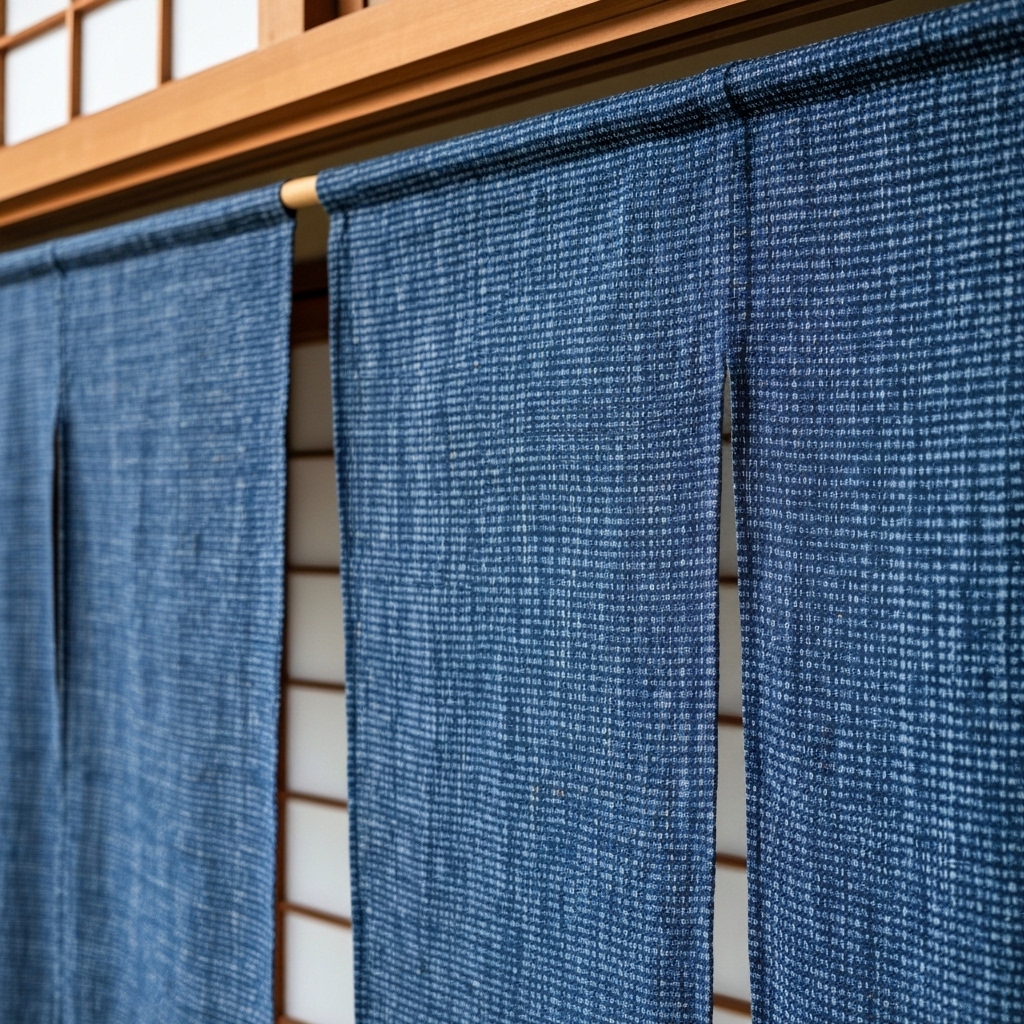
- Flax Linen: Characterized by its long fibers, flax linen is incredibly strong and durable. It has a slightly irregular texture, giving it a unique and appealing look. Linen noren become softer and more absorbent with each wash, developing a beautiful patina over time.
- Linen Blends: These fabrics combine linen with other fibers, such as cotton or rayon. While often more affordable, they lack the strength and durability of pure flax linen. Linen blends may also wrinkle less and be easier to care for, but they won't develop the same rich character as pure linen.
Weave styles significantly influence the appearance and performance of linen noren.
- Plain Weave: The most common weave for linen, plain weave creates a simple, even fabric. This weave is durable and suitable for a variety of noren designs.
- Damask: A more complex weave that creates intricate patterns on the fabric. Damask linen noren are often used in more formal settings, such as tea rooms or high-end restaurants. The subtle sheen and raised patterns add a touch of elegance.
- Slub Linen: Slub linen has intentional irregularities in the yarn, creating a textured surface. This adds visual interest and gives the noren a rustic, natural feel. Slub linen is particularly well-suited for designs that emphasize texture and simplicity.
The benefits of linen noren include:
- Exceptional Durability: Linen is one of the strongest natural fibers, making linen noren incredibly long-lasting. They can withstand years of use and washing without significant wear and tear.
- Absorbency and Breathability: Linen is highly absorbent and breathable, making it ideal for use in humid climates. Linen noren help to regulate temperature and prevent moisture buildup.
- Unique Texture: The distinctive texture of linen adds visual interest and a natural feel to any space.
- Wrinkling: Linen wrinkles easily, which can be seen as either a charming characteristic or a drawback. Some people appreciate the relaxed, lived-in look of wrinkled linen, while others prefer a smoother appearance.
Hemp: Rustic Charm and Sustainability
Hemp, another member of the 麻 (asa) family, offers a distinctive blend of rustic charm and sustainability. Hemp 暖簾 (noren) are becoming increasingly popular as people seek eco-friendly and durable options.
Varieties of hemp used for noren vary somewhat depending on local production and specific qualities needed.
- Japanese Hemp (大麻 – Taima): Historically cultivated in Japan, this variety is known for its strong, coarse fibers. While its cultivation is now restricted, some small-scale artisans still use Japanese hemp for crafting traditional items, including noren. Taima has a distinct texture and natural color.
- Imported Hemp: Due to limited domestic production, much of the hemp used in Japan today is imported from countries like China and Europe. These hemp varieties share similar characteristics with Japanese hemp but may vary slightly in fiber length and texture.
Environmental impact is a key factor when considering hemp noren.
- Sustainable Crop: Hemp is a highly sustainable crop, requiring little water and no pesticides to grow. It also absorbs large amounts of carbon dioxide from the atmosphere, making it a carbon-negative material.
- Biodegradable: Hemp is a biodegradable material, meaning it will naturally break down at the end of its life. This reduces waste and minimizes environmental impact.
Design considerations for hemp noren are important to note.
- Rustic Texture: Hemp has a coarse, textured surface that gives it a unique and appealing look. This texture is well-suited for designs that emphasize natural materials and simplicity.
- Natural Color: Hemp is naturally a light tan color, which can be dyed or left undyed. The natural color complements a wide range of décor styles.
- Durability: Hemp is an incredibly strong fiber, making hemp noren highly durable and long-lasting. They can withstand years of use without significant wear and tear.
- Shrinkage: Like cotton, hemp can shrink when washed. It is best to pre-wash hemp fabric before making a noren or to purchase a pre-shrunk hemp noren.
- Wrinkling: Hemp wrinkles easily, adding to its rustic charm. However, some people may prefer to iron hemp noren to achieve a smoother appearance.
Expert Insight: When considering hemp, be mindful of the fabric's origin and processing. Look for hemp fabrics that are certified organic and processed using environmentally friendly methods to ensure a truly sustainable choice. A slight earthy aroma is normal and will often dissipate over time or with washing.
Beyond the Basics: Exploring Alternative Noren Materials
Beyond the familiar workhorse materials, exploring less common fabrics and treatments opens up a realm of possibilities for truly unique 暖簾 (noren). These alternatives often trade practicality for artistry or specialize in particular aesthetics.
Silk: Luxurious Drapes and Delicate Detail
絹 (kinu), silk, immediately elevates a 暖簾 (noren) to a level of refined elegance. Its inherent sheen and graceful drape offer a stark contrast to the more rustic textures of cotton or linen. The play of light on silk creates a dynamic visual effect, shifting with the time of day and viewing angle.
-
Silk Types: Several varieties are suitable for 暖簾 (noren), each with distinct characteristics:
- Habutai (羽二重): A lightweight, plain-weave silk, known for its smooth surface and soft luster. Habutai readily accepts dyes and prints, making it a popular choice for decorative 暖簾 (noren) used indoors.
- Crepe de Chine (縮緬): Possessing a slightly crinkled texture, Crepe de Chine offers a subdued sheen and excellent drape. Its textured surface provides visual interest and hides wrinkles effectively.
- Chiffon (シフォン): An extremely lightweight and sheer silk, Chiffon creates ethereal and airy 暖簾 (noren). Its delicate nature makes it best suited for purely decorative applications, where it won't be subjected to heavy use. Consider layering chiffon over a more opaque fabric to create depth and visual interest.
- Raw Silk (生糸): Also known as "Kibiso" (きびそ) in Japanese, this type of silk has not had its sericin (gum) removed. The result is a coarser, more textured fabric with a matte finish. Raw silk 暖簾 (noren) offer a natural, rustic aesthetic while still retaining the inherent luxury of silk.
-
Care Challenges: Silk demands specialized care. Direct sunlight can weaken the fibers and fade colors, so silk 暖簾 (noren) are best suited for shaded doorways or interior use. Cleaning should ideally be entrusted to professionals specializing in silk textiles. Washing at home carries the risk of shrinkage, color bleeding, and damage to the delicate fibers. Even spot cleaning requires extreme caution. Expert Insight: Always test cleaning solutions on an inconspicuous area first to ensure they do not damage the silk.
-
Design Applications: Silk's smooth surface is ideally suited for detailed designs and intricate patterns. Consider hand-painted motifs, delicate embroidery, or sophisticated digital prints. The luxurious drape of silk lends itself well to longer 暖簾 (noren), creating a sense of grandeur and formality. Furthermore, silk’s ability to diffuse light makes it ideal for interior spaces where soft illumination is desired. Silk 暖簾 (noren) often feature family crests (家紋, kamon) executed with precision, signifying status and tradition.
Synthetic Blends: Balancing Cost and Durability
While pure natural fibers hold a certain cachet, synthetic blends offer a practical alternative, particularly when cost and durability are primary concerns. These fabrics often mimic the appearance and feel of natural fibers while providing enhanced resistance to wear, fading, and shrinkage.
-
Polyester Blends: Polyester fibers impart strength and wrinkle resistance to 暖簾 (noren). Blending polyester with cotton (綿, men) or linen (麻, asa) creates a fabric that is easier to care for than pure natural fibers. The proportion of polyester can be adjusted to achieve the desired balance of durability and breathability. For example, a 65/35 polyester/cotton blend is a common choice for everyday 暖簾 (noren) that require frequent washing.
-
Rayon Blends: Rayon, also known as Viscose, is a semi-synthetic fiber derived from cellulose. It offers a soft, silky drape and excellent color absorption. However, rayon is weaker than polyester and prone to shrinking, especially when wet. Rayon blends are often combined with polyester or cotton to improve their durability and dimensional stability. These blends are frequently chosen for 暖簾 (noren) featuring vibrant, saturated colors.
-
Acrylic Blends: Acrylic fibers provide warmth and a wool-like feel. They are also resistant to fading and mildew. Acrylic blends are less common for 暖簾 (noren) than polyester or rayon blends, but they can be a suitable option for colder climates or for creating a cozy, textured look. Expert Insight: Always check the fabric composition label carefully before purchasing a synthetic blend 暖簾 (noren). Pay attention to the percentages of each fiber to understand the fabric's likely performance and care requirements.
Natural Dyes on Specialty Fabrics: Unique Textures
Combining natural dyes with specialty fabric treatments results in 暖簾 (noren) that are truly one-of-a-kind works of art. The interplay of texture and color creates depth and visual interest, elevating the 暖簾 (noren) beyond a mere functional object.
-
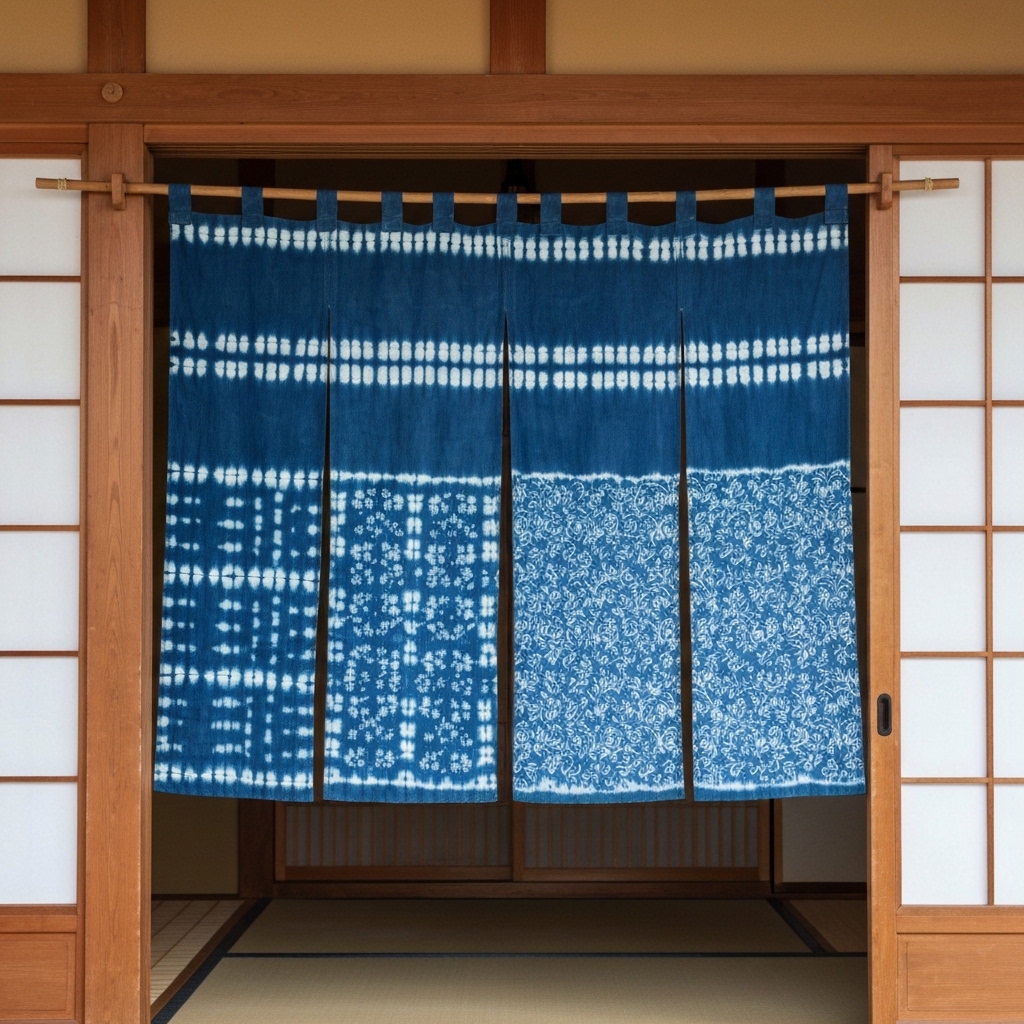
Shibori (絞り染め): This ancient Japanese tie-dye technique involves binding, stitching, folding, twisting, or compressing fabric to create intricate patterns when dyed. Each shibori technique produces a unique result, ranging from simple geometric designs to complex, three-dimensional textures. Indigo (藍染め, aizome) is a traditional dye used in shibori, but other natural dyes can also be employed to create a range of colors. Shibori 暖簾 (noren) are often made from cotton or linen, as these fabrics hold the dye well and can withstand the rigors of the shibori process.
-
Tie Dye: While Shibori is the Japanese version, Tie Dye is a broader term for resist dyeing techniques that produce patterns by preventing dye from penetrating certain areas of the fabric. Employing natural dyes on materials like hemp or linen, can produce highly artistic and unique 暖簾 (noren) as well.
-
Batik (ろうけつ染め): This wax-resist dyeing technique, originating from Indonesia, involves applying molten wax to fabric to create patterns. The waxed areas resist the dye, allowing for intricate designs with multiple colors. Once the dyeing is complete, the wax is removed, revealing the pattern. Batik 暖簾 (noren) are often made from cotton or silk and can feature bold, vibrant colors or more subtle, earthy tones, depending on the dyes used.
Paper & Washi Noren: Lightweight Options
While less durable than fabric options, paper 暖簾 (noren) offer a lightweight and visually interesting alternative. They are particularly well-suited for interior use, where they are protected from the elements.
-
Paper Noren: These are often used for temporary displays or special events. Plain paper can be dyed, painted, or printed with designs. Expert Insight: Applying a thin coat of clear acrylic sealant can improve the durability and water resistance of paper 暖簾 (noren).
-
Washi (和紙) Noren: Washi, traditional Japanese paper, is known for its strength and beauty. Made from the inner bark of specific trees, washi comes in a variety of textures and thicknesses. Washi 暖簾 (noren) can be surprisingly durable, especially when treated with protective coatings. The translucent nature of washi allows light to filter through, creating a soft, diffused glow. Washi 暖簾 (noren) often feature delicate designs, such as calligraphy or nature-inspired motifs. The process of creating washi itself is an art form, adding to the value and uniqueness of washi 暖簾 (noren).
Expert Insight: When considering a paper 暖簾 (noren), location is crucial. These are best suited for indoor use or covered outdoor spaces, away from wind and moisture.
Noren Materials and their Relationship to Functionality
Noren aren't simply decorative; they're functional elements within a space. The material you select significantly impacts how well your noren performs its intended purpose. Consider these factors when choosing the right fabric for your desired application.
Weather Resistance: Choosing Materials for Outdoor Noren (UV Protection, Water Repellency)
Outdoor noren face environmental challenges that indoor noren do not. Prolonged sun exposure can fade colors and weaken fibers, while rain and humidity can cause mildew and warping. Selecting materials with inherent weather-resistant properties, or those that can be treated to enhance their durability, is crucial for longevity.
While completely waterproof noren are rare and impractical (as they would trap moisture and become very heavy), water repellency is a key feature to look for. Synthetic options often incorporate tightly woven constructions that naturally resist water absorption. Other natural materials can be treated with coatings for increased water resistance.
UV protection is another vital consideration. Direct sunlight can severely degrade many natural fibers. While dark colors generally offer better UV protection than light colors, the inherent UV resistance of the material itself is more important. Look for materials specifically designed for outdoor use, even if that means forgoing extremely delicate or lightweight weaves. Acrylic canvas, for example, offers both water repellency and good UV resistance.
Consider the weight of the material. A heavier fabric, even if water-repellent, might become waterlogged and overly heavy in prolonged rain, stressing the hanging mechanism. Lighter-weight, quick-drying options may be preferable in some climates, especially if they are easily removable and can be brought inside during heavy storms.
Ultimately, the best choice depends on the specific environmental conditions your noren will face. In areas with intense sun, prioritize UV resistance. In rainy regions, prioritize water repellency and quick-drying properties.
Light Filtration: Balancing Privacy and Visibility (Opacity Levels, Fabric Weight)
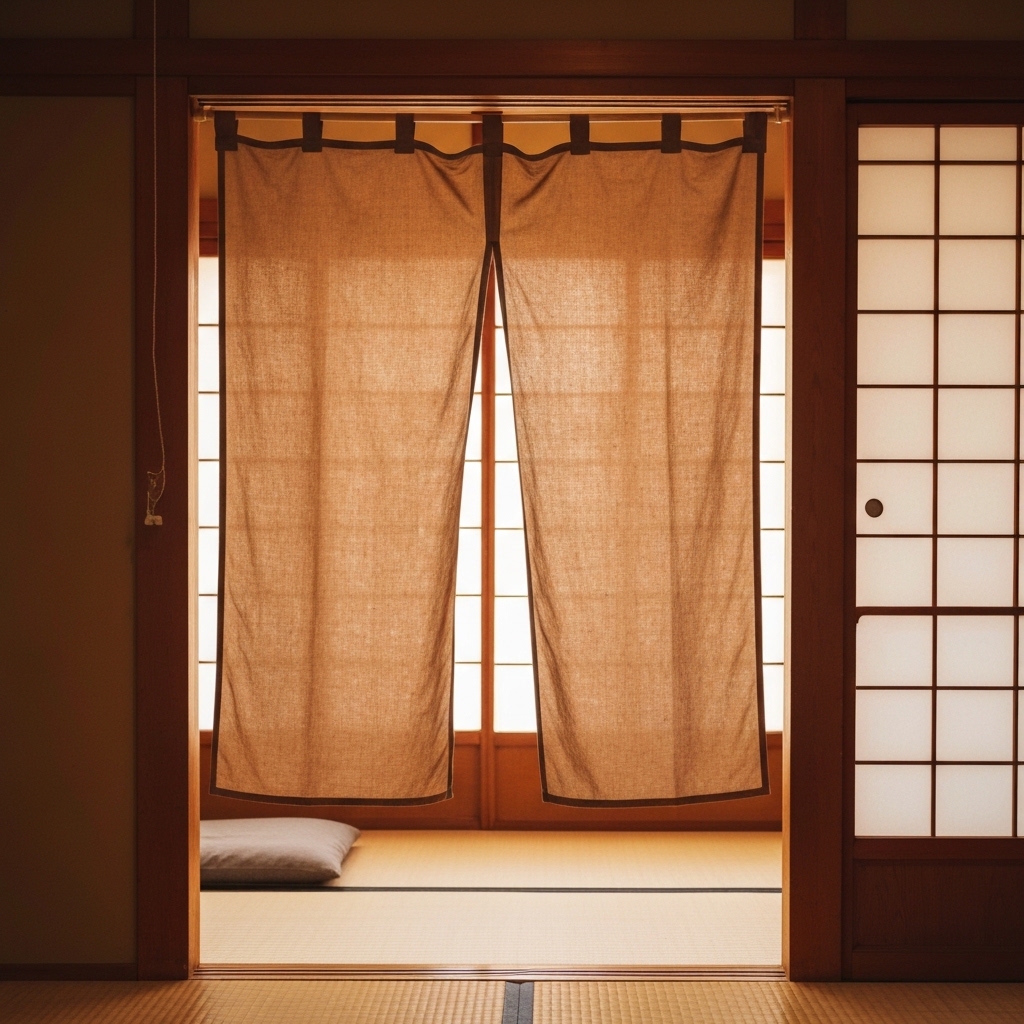
The degree of light filtration offered by a noren directly impacts the privacy and visibility it provides. Heavier, denser weaves naturally block more light, offering greater privacy, while lighter, more open weaves allow more light to pass through, maintaining a sense of openness.
Opacity is subjective but can be categorized as follows:
- Opaque: Blocks almost all light, offering complete privacy. Suitable for blocking unsightly views or creating a strong sense of separation.
- Semi-Opaque: Blocks a significant amount of light, obscuring details but still allowing light to filter through. Offers a balance between privacy and light.
- Translucent: Allows a considerable amount of light to pass through, providing minimal privacy but adding a touch of visual interest. Details are visible through the fabric, albeit blurred.
- Transparent: Allows almost all light to pass through, offering little to no privacy. Primarily used for decorative purposes or to subtly define a space without obstructing the view.
The weave structure plays a crucial role in opacity. A plain weave with tightly packed threads will generally be more opaque than a leno weave with an open structure. Consider the desired level of privacy and the amount of natural light available in the space when selecting the weave.
The use of patterns and colors also impacts light filtration. Darker colors tend to absorb more light, while lighter colors reflect it. Patterns with dense areas of color will block more light than patterns with sparse designs. A noren decorated with katazome (型染め - stencil dyeing) where large areas are filled with dark pigment, will block much more light than one where aizome (藍染め - indigo dyeing) creates a sheer wash.
Fabric weight, measured in grams per square meter (gsm) or ounces per square yard (oz/yd²), provides a general indication of opacity. Higher gsm/oz/yd² values typically correspond to greater opacity. However, the type of fiber and weave structure also influence this relationship.
Expert Insight: If you are unsure about the opacity of a material, hold it up to a light source before making a purchase. This will give you a good indication of how much light it will block.
Insulation: Selecting Noren for Temperature Control (Thickness, Thermal Properties)
While noren are not typically considered primary insulators, they can contribute to temperature control, especially in drafty doorways or windows. The key lies in selecting materials with sufficient thickness and appropriate thermal properties.
Thicker materials, by virtue of their increased mass, offer a greater barrier to heat transfer. They can help to trap warm air in the winter and block hot air in the summer, reducing the strain on heating and cooling systems.
The thermal conductivity of the material also plays a role. Materials with low thermal conductivity, meaning they are poor conductors of heat, provide better insulation.
Consider the layering effect. Using multiple noren, hung slightly apart, can create an insulating air gap that further enhances temperature control. This technique is sometimes employed in traditional Japanese homes during the colder months.
Noren can also be used to block drafts. Hanging a noren across a doorway or window opening can significantly reduce the amount of cold air entering the space, improving comfort and reducing energy consumption. Heavier fabrics will be more effective at blocking drafts than lighter ones. The length of the noren matters as well; longer noren that nearly touch the floor will offer superior draft protection.
While materials like modern fleece and quilted fabrics are seldom used for traditional-style noren (暖簾), they could be repurposed creatively as insulated dividers in a workshop setting, or a modern interior.
Airflow: Maximizing Ventilation
Noren, unlike solid doors, can enhance airflow and ventilation, especially during warmer months. The key is to select materials and designs that allow air to circulate freely.
Lightweight, open-weave fabrics are ideal for maximizing airflow. They allow air to pass through easily, promoting ventilation and preventing the buildup of stagnant air. Avoid dense, tightly woven materials, as they will restrict airflow.
The length and slit design of the noren also influence airflow. Shorter noren allow more air to circulate than longer ones. Noren with multiple slits or a wide central slit will also promote better ventilation.
Consider the positioning of the noren in relation to windows and doors. Hanging a noren in a doorway that aligns with a window can create a natural airflow pathway, drawing fresh air into the space.
In Japan, sudare (簾 – bamboo blinds or screens) are sometimes hung behind noren to enhance ventilation while still providing shade and privacy. This combination allows for a gentle breeze to pass through while blocking direct sunlight.
The functionality of your noren is intrinsically linked to its material composition. Selecting the right material is a vital step toward achieving your desired aesthetic and practical goals.
Dyeing and Printing Techniques for Noren Fabrics
The aesthetic appeal of a 暖簾 (noren) is deeply intertwined with the methods used to imbue its fabric with color and pattern. From time-honored dyeing practices passed down through generations to the innovative capabilities of modern printing, the choice of technique profoundly impacts the final product’s look, feel, and longevity. Understanding these processes empowers you to select a noren that not only complements its environment but also reflects a commitment to quality and artistry.
Traditional Japanese Dyeing Methods: Yuzen, Katazome, and Indigo
Beyond the basic understanding of dyeing, traditional methods offer a wealth of complex techniques that elevate fabric into art. Yuzen (友禅染), for example, is a sophisticated resist-dyeing method most closely associated with kimono. Although not as commonly employed for noren as some other techniques, its elaborate, hand-painted designs can lend an unparalleled elegance. True Yuzen is a painstaking process involving rice paste resist, layering of dyes, and meticulous steaming and washing. Adaptations of Yuzen, employing stencils to simplify the resist application, can sometimes be found in higher-end noren.
Katazome (型染め), meaning "stencil dyeing," is a more frequently encountered traditional technique. The process involves the use of intricate paper stencils, often reinforced with persimmon tannin for durability. A rice paste resist is applied through the stencil, and then the fabric is dyed. Multiple stencils and dye baths can create complex, multi-colored patterns. Katazome excels in producing repeating patterns, making it ideal for designs with consistent motifs. The precision afforded by stencils allows for finer details than some other methods. A variation, Edo Komon (江戸小紋), uses incredibly fine stencils to create patterns that from a distance appear almost like solid colors, but up close reveal intricate detail.
Indigo dyeing, or aizome (藍染め), holds a special place in Japanese textile history — learn more about its cultural significance in our indigo noren meaning article. The deep, rich blues produced through the fermentation of indigo leaves have a unique depth and character. The indigo vat itself requires careful maintenance, and the dyeing process involves repeated dipping and oxidation to build up the desired shade. The beauty of aizome lies not only in its color but also in its variations—from light sky blues to almost black hues. These nuances are achieved by varying the number of dips and the concentration of the indigo bath. Furthermore, indigo dye offers excellent lightfastness, making it a practical choice for noren exposed to sunlight. Traditionally, indigo was believed to possess insect-repellent properties, adding another layer of value to its use.
Modern Printing Technologies: Digital Printing, Screen Printing, and Heat Transfer
Modern printing techniques offer an alternative to the labor-intensive traditional methods, providing cost-effective solutions for mass production and complex designs.
Digital printing, also known as direct-to-garment (DTG) printing, allows for the direct application of digital designs onto fabric. This method is particularly suitable for noren with photographic images, gradients, or highly detailed artwork. Digital printing excels in reproducing intricate designs with a wide range of colors, offering almost limitless creative possibilities. However, the durability of digital prints can be a concern, especially with lighter fabrics and exposure to the elements. The inks used in digital printing might not penetrate the fabric fibers as deeply as traditional dyes, potentially leading to fading or cracking over time.
Screen printing involves pressing ink through a stenciled mesh screen onto the fabric. Each color requires a separate screen, so designs with numerous colors can become complex and expensive to produce. However, screen printing offers excellent color vibrancy and durability, making it a popular choice for noren with bold graphics and solid colors. The thickness of the ink layer in screen printing can also create a tactile effect, adding another dimension to the design. This technique is particularly well-suited for mass production, as the setup costs are relatively high, but the per-unit cost decreases significantly with larger quantities.
Heat transfer printing, also known as sublimation printing, involves printing a design onto a special transfer paper and then using heat and pressure to transfer the image onto the fabric. This method is typically used for polyester or polyester-blend fabrics, as the heat causes the ink to turn into a gas and bond with the synthetic fibers. Heat transfer printing can produce vibrant, full-color images with excellent detail, but it is not as suitable for natural fibers like cotton or linen. The durability of heat transfer prints can vary depending on the quality of the inks and transfer paper used.
Color Fastness and Durability: Considerations for Long-Lasting Noren
The longevity of a noren depends significantly on the color fastness of the dyes or inks used and the durability of the printing or dyeing technique. Color fastness refers to the resistance of a fabric's color to fading or running when exposed to light, washing, or other environmental factors. Lightfastness is particularly important for noren that will be displayed outdoors or in areas with strong sunlight.
Generally, natural dyes like indigo tend to have good lightfastness, although the specific shade and intensity can affect its resistance to fading. Synthetic dyes can offer excellent lightfastness as well, but the quality of the dye and the dyeing process are crucial factors. Pigment dyes, often used in screen printing, tend to have good lightfastness and are less prone to fading than some other types of dyes.
The durability of the printing or dyeing technique also affects the longevity of a noren. Dyeing techniques that deeply penetrate the fabric fibers, such as indigo dyeing or vat dyeing, tend to be more durable than printing techniques that only apply the color to the surface of the fabric. Screen printing, with its thick ink layer, can also offer good durability, especially when high-quality inks are used.
To ensure the longevity of your noren, it is essential to follow the care instructions provided by the manufacturer. For step-by-step cleaning advice, see our noren care and washing guide. Avoid exposing your noren to direct sunlight for extended periods, and wash it gently with mild detergents. Proper care will help preserve the color and appearance of your noren for years to come.
Expert Insight: Before purchasing a noren, inquire about the color fastness rating of the dyes or inks used. A higher rating indicates better resistance to fading and running. Look for information about the specific dyes or inks used, as well as any testing that has been conducted to assess color fastness.
Choosing Colors
The selection of colors for a noren is more than just an aesthetic choice; it can subtly influence the atmosphere of the space and convey a specific message. In Japanese culture, certain colors are traditionally associated with particular meanings or feelings. While not a rigid set of rules, understanding these associations can inform your choice.
For example, deep reds are often associated with good fortune and protection, commonly seen in Shinto shrines. Blues, particularly indigo, can evoke feelings of calmness and serenity, reminiscent of the natural world. Earthy tones like browns and greens can create a sense of warmth and stability, connecting the space to the environment.
Consider the existing color scheme of the space where the noren will be displayed. Complementary colors can create a vibrant and dynamic contrast, while analogous colors can create a harmonious and cohesive look. Also, the intensity of colors can affect the overall mood. Soft, muted colors can create a relaxing and calming atmosphere, while bright, bold colors can energize and invigorate the space.
Ultimately, the best colors for your noren are those that resonate with you and enhance the overall aesthetic of your space. Consider the intended function of the space and the message you want to convey, and choose colors that align with your vision.
A Comprehensive Noren Materials Guide: Matching Material to Style
The Aesthetic Impact: How Material Choice Influences Overall Design
The material chosen for a 暖簾 (noren) is not merely a functional consideration; it profoundly shapes the overall aesthetic and the message it conveys. Imagine the difference between a heavy, indigo-dyed 帆布 (hanpu) noren hanging at the entrance of a traditional ramen shop and a delicate, sheer 絹 (kinu) noren adorning the doorway of a tea room. While both serve as noren, their impact is vastly different. The former speaks of robust tradition and hearty fare, while the latter whispers of refined elegance and delicate flavors.
Material choice influences several key aspects of the visual design:
-
Drape and Flow: Heavy fabrics like canvas create a stiff, structured drape, offering a sense of stability and permanence. Lighter materials such as silk or linen (麻, asa) possess a more fluid, dynamic drape, evoking a sense of lightness and movement. The way the fabric falls affects the perceived formality and weight of the space.
-
Texture and Surface: The texture of a fabric can add depth and visual interest to the design. A rough, textured cotton, for example, brings a rustic, earthy feel, while a smooth, lustrous silk conveys sophistication and luxury. The surface texture also impacts how light interacts with the noren, creating subtle variations in color and shadow. Consider, for example, the difference between a subtly textured hemp noren at a soba shop versus the gleaming surface of a silk noren embellished with gold leaf in a Kyoto confectionary.
-
Color Saturation and Vibrancy: Different materials accept dyes differently, impacting the vibrancy and depth of color achievable. Natural fibers like cotton and linen tend to produce softer, more muted tones, while silk often yields richer, more saturated colors. The material's inherent color (e.g., the natural cream of unbleached cotton) also subtly influences the final color appearance.
-
Opacity and Light Diffusion: As previously discussed, material choice dictates the degree of opacity. A dense, opaque material blocks light and creates a sense of privacy, while a sheer material allows light to filter through, creating a more open and inviting atmosphere. This plays a crucial role in defining the mood and function of the space.
The interplay of these elements—drape, texture, color, and opacity—determines the overall aesthetic impact of the noren and its ability to complement or contrast with the surrounding environment. Skilled artisans carefully consider these factors when selecting materials, striving to create a harmonious and visually engaging design. In essence, the material is the message.
Matching Material to Purpose: Selecting Fabrics for Restaurant, Shop, or Home Use
Selecting the appropriate material for a 暖簾 (noren) depends heavily on its intended purpose and the specific environment in which it will be used. What works perfectly in a bustling restaurant may be entirely unsuitable for a quiet residential setting.
Restaurant Applications:
Restaurants, particularly those with high foot traffic, require durable and easily maintained noren. The specific type of restaurant heavily influences material choice.
-
Traditional Izakaya or Ramen Shops: These establishments often favor robust materials like heavy cotton or 帆布 (hanpu) canvas. These fabrics can withstand daily wear and tear, including frequent openings and closings, and are relatively easy to clean. The thickness also helps to insulate against drafts and noise. Consider a simple, indigo-dyed hanpu noren with the shop's name in bold white characters.
-
High-End Sushi or Kaiseki Restaurants: Establishments prioritizing elegance often opt for finer materials like linen or even silk for interior noren separating dining areas. These materials convey a sense of refinement and sophistication. The designs tend to be more subtle and artistic, perhaps incorporating natural motifs or calligraphy.
Shop Applications:
Shops employ noren for advertising, creating a sense of entrance, and sometimes for privacy.
-
Traditional Craft Shops: Shops selling pottery, textiles, or other handicrafts frequently use natural materials like linen or cotton. The choice reflects the shop's focus on handcrafted goods and natural materials. A noren made from hand-spun cotton with a natural dye would be very fitting here.
-
Modern Boutiques: Modern boutiques may experiment with synthetic blends or even unconventional materials like Tyvek (though rare) to create a contemporary and eye-catching design. A simple, graphic print on a durable synthetic fabric might be an effective choice.
Home Applications:
In residential settings, noren serve a variety of purposes, from room dividers to closet coverings. Material choice here is largely driven by personal taste and the overall aesthetic of the home.
-
Room Dividers: For dividing living spaces, heavier fabrics like linen or thicker cottons offer a sense of privacy and separation. A double-layered cotton noren can effectively block light and sound.
-
Closet Coverings: Lighter fabrics like cotton voile or linen are often used to cover closets, allowing for airflow and preventing mustiness. These materials add a touch of style while keeping the contents of the closet concealed.
-
Decorative Accents: Sheer or lightweight fabrics like silk or rayon can be used as decorative accents, adding a touch of elegance to a room. A silk noren with a delicate floral pattern can transform a simple doorway into a focal point.
Ultimately, the choice of material should align with the intended function of the 暖簾 (noren), the aesthetic of the space, and the desired level of durability and maintenance. Considering these factors will ensure that the noren is not only visually appealing but also practical and long-lasting.
Considering the Environment: Choosing Sustainable and Ethical Materials
In an increasingly environmentally conscious world, considering the sustainability and ethical sourcing of noren materials is becoming increasingly important. The impact of textile production on the environment can be significant, from the use of pesticides in cotton farming to the energy-intensive processes involved in manufacturing synthetic fibers. Choosing materials wisely can help minimize this impact.
-
Natural Fibers: Natural fibers like cotton (綿, men), linen (麻, asa), and hemp are generally considered more sustainable than synthetic fibers, provided they are grown and processed responsibly. Look for organic cotton, which is grown without the use of harmful pesticides. Linen and hemp are naturally more sustainable, requiring less water and fewer pesticides than cotton.
-
Recycled and Upcycled Materials: Consider using recycled or upcycled materials for your 暖簾 (noren). This could involve repurposing old fabrics, such as vintage kimono fabrics or remnants from other textile projects. Using these materials not only reduces waste but also adds a unique character to the noren.
-
Natural Dyes: Traditional dyeing methods, such as 藍染め (aizome), using natural indigo, are generally more environmentally friendly than synthetic dyes, which can contain harmful chemicals. Look for noren that are dyed with natural dyes or consider experimenting with natural dyeing yourself.
-
Ethical Sourcing: In addition to environmental considerations, it's important to consider the ethical implications of textile production. Look for materials that are sourced from companies that prioritize fair labor practices and safe working conditions.
-
Durability and Longevity: Choosing high-quality, durable materials can also contribute to sustainability. A noren made from a well-constructed, long-lasting fabric will need to be replaced less frequently, reducing waste over time.
Expert Insight: When seeking sustainable 暖簾 (noren), explore fabrics certified by organizations such as the Global Organic Textile Standard (GOTS) or the Fair Trade Federation. These certifications provide assurance that the materials have been produced in an environmentally and socially responsible manner. You can also research artisan cooperatives in Japan that specialize in traditional textile production using sustainable methods. These cooperatives often offer unique and beautiful noren made with natural materials and dyes. For example, some workshops specialize in reviving forgotten textile techniques, adding a historical layer to the ethical consideration. These artisans prioritize using local materials and maintaining traditional skills, further contributing to the sustainability and cultural preservation aspects of the craft.
Noren Dimensions: How Materials Affect Hanging and Drape
The dimensions of a 暖簾 (noren) are just as critical as the material itself when considering its final appearance and functionality. The interplay between size, weight, and material influences how the noren hangs, drapes, and performs its intended purpose, whether it's providing privacy, acting as a shop sign, or simply adding a touch of Japanese aesthetic to a space.
Understanding Standard Noren Sizes: Height, Width, and Slit Placement
While customization is common, there are general size guidelines for noren. The width is frequently determined by the doorway or opening it will cover. Common widths range from about 85cm to 150cm (approximately 33.5 inches to 59 inches). For a standard doorway, 85cm or 90cm (around 33.5 to 35.5 inches) is typical — our noren size guide covers dimensions in full detail. Wider noren are used for larger openings or as decorative room dividers.
Height varies more significantly based on function and aesthetic preference. Shorter noren, perhaps 90cm to 120cm (35.5 inches to 47 inches), are often found in shops or restaurants where partial visibility is desired. Longer noren, extending to 150cm or even 180cm (59 inches to 71 inches) offer more privacy and a grander visual impact.
The placement of the slits (切れ込み – kirekomi) is another important consideration. Noren usually feature a single vertical slit, but sometimes multiple slits are used, depending on the design. The slit allows for easy passage and prevents the noren from acting as a complete barrier. The depth of the slit influences how easily the fabric parts and flows. Deeper slits offer easier passage but also expose more of the interior.
The relationship between the material and the slit is noteworthy. Stiffer materials like 帆布 (hanpu – canvas) may require a deeper slit for comfortable passage compared to a flowing material like 絹 (kinu – silk), which will naturally part more easily.
Calculating Fabric Weight and Support Needs: Rods, Tension Rods, and Hanging Mechanisms
The weight of the chosen material directly impacts the required support. Lightweight fabrics like 薄絹 (usuginu - sheer silk) or lightweight 綿 (men – cotton) can be hung with simple, slender rods, or even 突っ張り棒 (tsuppari-bou – tension rods) if the opening is narrow. Thicker or heavier materials, such as heavyweight 帆布 (hanpu – canvas) or densely woven 麻 (asa – hemp/linen), demand a more substantial rod to prevent sagging or even breakage.
Consider the weight distribution. A wide noren made of heavy material exerts significant downward force, particularly in the center. A reinforced rod, possibly with a center support bracket, might be necessary. The 竿通し (saotooshi – rod pocket) should also be appropriately sized and reinforced to accommodate the rod and distribute the weight evenly. For example, a noren made from heavy canvas used as a shop sign might need a metal rod and a reinforced rod pocket.
The type of hanging mechanism influences the choice of fabric. Noren designed to be easily swapped out for seasonal changes benefit from simpler hanging systems like clip rings attached to a lightweight rod. More permanent installations can use a sturdier rod fixed with brackets.
Expert Insight: Before choosing your fabric, test a sample by draping it over a rod or similar object. This will give you a visual idea of how the fabric will hang and drape, and help you anticipate any potential support issues related to its weight.
Customization and Tailoring: Adjusting Material and Size for Specific Spaces
One of the beauties of noren is the ability to customize them to fit a specific space and aesthetic. Customization extends beyond just the design and includes adjusting the material and size to suit the environment.
In a small apartment, a shorter, narrower noren made of lightweight cotton might be ideal for separating a kitchen area. For truly unique pieces, consider ordering a custom noren tailored to your exact specifications. Conversely, a traditional Japanese restaurant might use a long, wide noren made of dyed canvas at the entrance, bearing the restaurant's name and logo, to create a bold and inviting statement.
When tailoring, consider the scale of the space. A large, elaborate design on a heavy fabric might overwhelm a small room, while a simple, understated design on a light fabric could get lost in a large, open space.
Consider the architectural style of the space. A modern minimalist interior might benefit from a noren made of a sleek, smooth fabric like silk, while a rustic, traditional setting might be better suited to a noren made of textured linen.
Considerations for Hemming
Hemming, or the finishing of the edges, is a crucial step in creating a durable and visually appealing noren. The type of hemming technique used should be carefully considered in relation to the chosen fabric and the desired aesthetic.
For lightweight fabrics like 羽二重 (habutae – silk habotai), a narrow, rolled hem is often preferred. This creates a delicate, almost invisible finish that doesn't add bulk and allows the fabric to drape freely. A serged edge (overlock stitching) can also work for lightweight fabrics, preventing fraying without adding too much weight.
Medium-weight fabrics like 天竺木綿 (tenjiku momen – jersey cotton) can be hemmed with a simple turned-under hem. The width of the hem can be adjusted to suit the weight of the fabric and the desired look.
Heavier fabrics like 帆布 (hanpu – canvas) require a more substantial hem to prevent fraying and to add weight to the bottom edge, which helps the noren hang straight. A wider, double-folded hem is recommended for these fabrics.
The thread used for hemming should be carefully chosen to match the fabric in both color and weight. Using a thread that is too heavy for a lightweight fabric can cause puckering or distortion, while using a thread that is too light for a heavy fabric can result in weak seams that are prone to breaking.
For fabrics with a tendency to fray, such as linen, it may be necessary to serge the edges before hemming to prevent the fabric from unraveling. Alternatively, a bias tape binding can be used to encase the raw edges and provide a clean, finished look. The choice of hemming method affects the drape and overall appearance of the noren. A well-executed hem adds durability and enhances the beauty of the fabric.
Washing and Care: Extending the Life of Your Noren
A beautiful 暖簾 (noren) is more than just a decorative fabric; it's often a cherished piece of artistry reflecting your personal style or business identity. Proper care ensures your 暖簾 retains its visual appeal and structural integrity for years to come. Different fibers require bespoke handling, and proactive measures can prevent damage, preserving the vibrancy of your dyed creations.
Material-Specific Cleaning Instructions: Cotton, Linen, Silk, and Synthetic Fabrics
The approach to cleaning your 暖簾 must be tailored to the fabric composition. While some general guidelines apply, specific fibers have unique needs.
For most 綿 (men) or 木綿 (momen) 暖簾, gentle hand washing remains the safest approach, especially if the item features intricate dye work or embellishments. Use a mild, pH-neutral detergent specifically designed for delicate fabrics. Fill a basin with cool water (around 30°C or 86°F) and thoroughly dissolve the detergent before immersing the 暖簾. Gently agitate the water to cleanse the fabric, avoiding harsh scrubbing or twisting. Rinse thoroughly with cool water until all traces of soap are gone.
麻 (asa), which includes both linen and hemp fibers, is generally more robust than cotton. However, prolonged exposure to high temperatures can still cause shrinkage or fading. Machine washing is acceptable for many linen 暖簾, but use a delicate cycle and cool water. Always air dry linen, as machine drying can lead to excessive wrinkling and shrinkage. Iron while slightly damp to restore its smooth texture.
絹 (kinu) 暖簾 demands the most delicate care. Avoid washing silk at home unless the care label explicitly permits it. Even then, hand washing in cool water with a specialized silk detergent is essential. Never use bleach or harsh chemicals. Roll the 暖簾 in a clean towel to absorb excess water and air dry it away from direct sunlight. Iron on a low setting with a pressing cloth to prevent scorching.
Synthetic fabrics, such as polyester blends, are typically the most resilient and easy to care for. Machine washing on a gentle cycle with cool water is usually safe. However, avoid high heat during drying, as this can cause the fibers to melt or warp. Tumble dry on low or air dry. Synthetic fabrics are generally resistant to wrinkling, but a cool iron can be used if necessary.
Expert Insight: Before washing any 暖簾 for the first time, test a small, inconspicuous area with your chosen cleaning solution to ensure colorfastness.
Preventing Fading and Damage: Best Practices for Sun Exposure and Storage
The relentless rays of the sun and improper storage can wreak havoc on your 暖簾, causing fading, discoloration, and even fiber damage. Taking preventative measures is crucial to prolonging its lifespan.
Sunlight is a primary culprit in color fading. Hang 暖簾 away from direct sunlight, especially during peak hours. Consider using window treatments like blinds or curtains to filter sunlight. Rotating your 暖簾 periodically can also help ensure even exposure and minimize fading in one particular area.
When not in use, proper storage is essential. Clean the 暖簾 thoroughly before storing it to prevent stains from setting or attracting pests. Store it in a cool, dry place away from direct sunlight and humidity. Use acid-free tissue paper to wrap the 暖簾, especially those made of silk or delicate fabrics, to prevent creasing and protect against environmental damage. Avoid storing 暖簾 in plastic bags, as this can trap moisture and lead to mildew growth. Instead, use a breathable cotton or linen bag. Cedar chips or lavender sachets can be added to the storage container to deter moths and other insects.
Consider the environment. Areas with high humidity, such as bathrooms, might not be suitable for displaying delicate 暖簾. Excessive moisture can promote mold growth and damage the fibers, especially natural ones like cotton and linen. Ensure adequate ventilation in areas where 暖簾 are displayed.
Repairing and Maintaining Noren: Mending Tears, Replacing Hardware, and Refreshing Dyes
Even with the best care, accidental tears and wear are inevitable. Learning basic repair techniques can significantly extend the life of your 暖簾.
For small tears or snags in cotton or linen 暖簾, a simple needle and thread can often suffice. Use a thread that closely matches the color of the fabric and carefully mend the tear with small, discreet stitches. For larger tears or areas with significant damage, consider patching the fabric with a similar material. Choose a patch that is the same color and weight as the original fabric for a seamless repair.
If the 竿通し (saotooshi) or rod pocket becomes damaged, it can be carefully removed and replaced. Purchase a similar fabric and sew a new rod pocket onto the 暖簾, ensuring it is securely attached. Reinforce the seams with multiple rows of stitching to prevent future tears.
Sometimes, the colors of a 暖簾 may fade over time, particularly if it has been exposed to sunlight. While it's impossible to completely restore faded colors, you can refresh the dyes using fabric dyes specifically designed for the fiber type. Follow the manufacturer's instructions carefully and test the dye on a small, inconspicuous area before applying it to the entire 暖簾. Be aware that the results may vary depending on the original dyeing technique and the condition of the fabric. Consult with a textile professional or dyer for more complex dyeing needs.
If your 暖簾 uses hardware, such as rings or hooks, inspect them regularly for signs of rust or damage. Replace any damaged hardware to prevent it from weakening or damaging the fabric.
When to dry clean
While hand washing is often the preferred method for cleaning delicate 暖簾, dry cleaning may be necessary in certain situations.
Silk 暖簾 with intricate embroidery or embellishments are best left to professional dry cleaners. The delicate nature of silk and the risk of damage from water-based cleaning methods make dry cleaning a safer option.
暖簾 made from materials that are prone to shrinkage, such as some types of wool or rayon, may also benefit from dry cleaning. Dry cleaning uses solvents instead of water, which minimizes the risk of shrinkage and distortion.
暖簾 with stubborn stains or heavy soiling may require the expertise of a professional dry cleaner. Dry cleaners have specialized equipment and cleaning solutions that can effectively remove stains without damaging the fabric.
Before taking your 暖簾 to a dry cleaner, inform them of the fabric composition and any special care instructions. Choose a reputable dry cleaner with experience in handling delicate fabrics and antique textiles.