Charming Noren Cat Designs: A Guide to Japanese Door Curtains
The Allure of the Noren Cat Design: Symbolism and Meaning
Cultural Significance of Cats in Japan
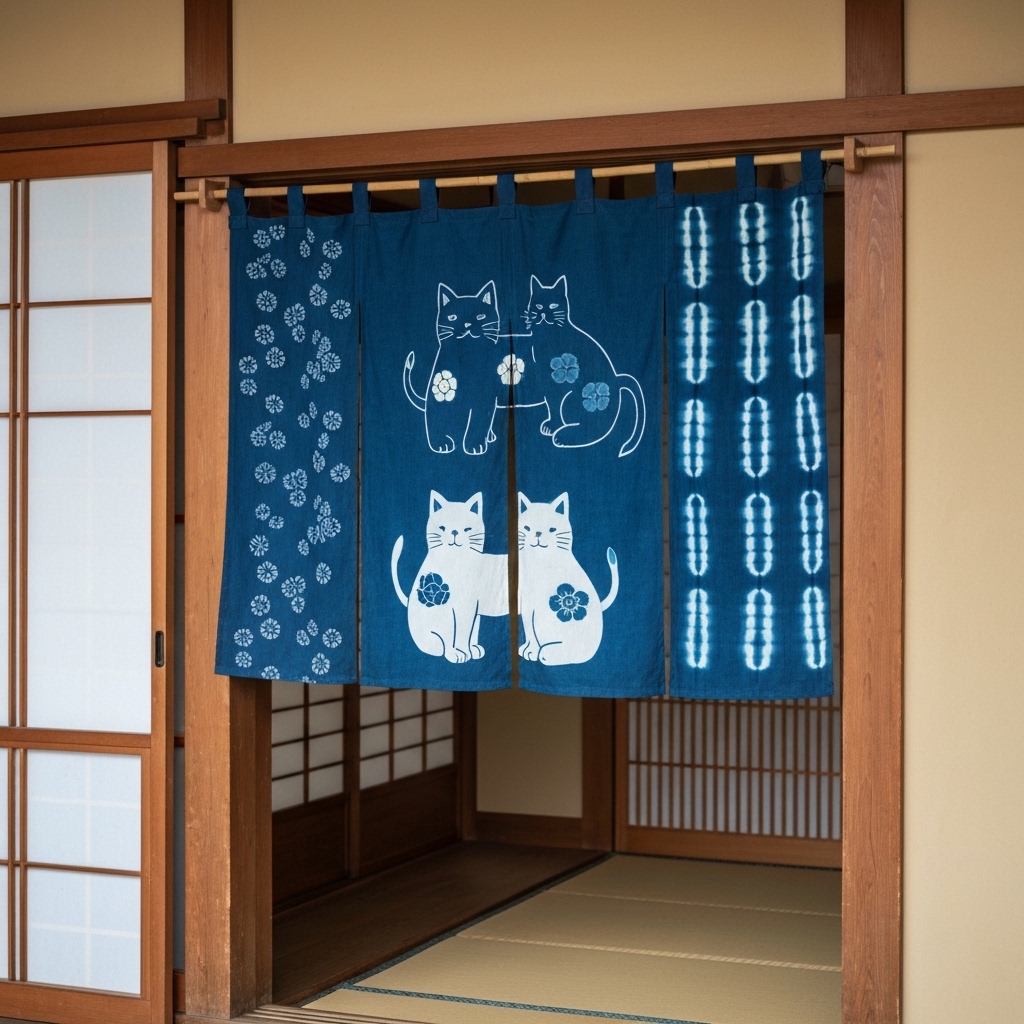
For centuries, cats (猫, neko) have held a unique and cherished position in Japanese culture. Far from being mere pets, they’ve woven their way into folklore, art, and even the economy, becoming powerful symbols of good fortune, protection, and transformation. Their presence on a noren (暖簾), a traditional Japanese fabric divider, is a deliberate choice, imbued with layers of meaning that resonate deeply with Japanese sensibilities.
The earliest evidence of cats in Japan dates back to the 6th century, likely arriving as precious cargo aboard ships carrying Buddhist scriptures. Valued for their ability to protect these invaluable texts from rats and mice, they were initially the exclusive companions of the imperial court and wealthy elite. Gradually, their popularity spread throughout society, transforming from revered guardians to beloved companions.
The cultural significance of cats extends beyond their practical usefulness. Tales abound of cats with supernatural powers, capable of both benevolent and mischievous acts. They are often seen as possessing an air of mystery, embodying both independence and loyalty, traits admired in Japanese society. This duality contributes to their enduring allure and explains their frequent appearance in art forms, including the noren.
Interpreting Common Cat Motifs in Noren (Maneki-neko, Calico Cats, etc.)
When a cat graces a noren, it’s rarely a random depiction. The specific type of cat, its pose, and accompanying imagery all contribute to the overall message conveyed. The most recognizable cat motif is undoubtedly the maneki-neko (招き猫), or "beckoning cat." Typically depicted as a calico cat (三毛猫, mike-neko) with one paw raised, it's a powerful symbol of good luck and prosperity, frequently seen in shop entrances. A raised right paw is said to invite money, while a raised left paw attracts customers. The higher the paw is raised, the greater the expected fortune. You might find maneki-neko noren outside a ramen shop hoping for a boost in customers, or even hanging inside a private home seeking to improve the family's finances.
Beyond the maneki-neko, other cat motifs are common:
- Calico cats (三毛猫, mike-neko): Often associated with good luck and are considered to be especially fortunate, particularly male calico cats, which are statistically rare.
- Black cats (黒猫, kuro-neko): In Western cultures, black cats are often associated with bad luck, but in Japan, they are believed to bring good fortune, especially to single women seeking a partner. A black cat noren might be hung in a room to attract a good match.
- Sleeping cats (眠り猫, nemuri-neko): Often symbolize peace and tranquility. While seemingly contradictory given their energetic nature, a sleeping cat can also represent a hidden strength or the calm before a storm. A sleeping cat noren hung near a tatami mat can create a sense of calm when relaxing.
- Cats with koban (小判): Koban were oval gold coins used during the Edo period. A cat holding a koban represents wealth and financial stability, similar to the maneki-neko but with a more direct and obvious symbol of prosperity.
The materials used in the noren also add meaning. Indigo-dyed (aizome, 藍染め) cotton (momen, 木綿) noren offer a sense of tradition and natural simplicity. Hemp (asa, 麻) noren are valued for their breathable qualities, making them ideal for summer. You might even find silk (kinu, 絹) noren with painted cat designs, often used as art pieces.
Expert Insight: When choosing a cat noren, consider the specific symbolism of the cat motif and how it aligns with the atmosphere you want to create in your space. The colors and materials can also contribute to the overall feeling. A simple cotton noren (approximately 85 cm wide and 150 cm long, or 33 inches by 59 inches) with a maneki-neko can add a touch of lightheartedness to an entrance, while a dark indigo noren with a subtle black cat design might bring a sense of mystery and good fortune to a bedroom. Not sure which dimensions are right for your space? Check our noren size guide for detailed measuring tips.
How Noren Cat Designs Reflect Japanese Folklore and Proverbs
Japanese folklore is rich with tales of cats possessing supernatural abilities, shapeshifting powers, and deep connections to the spirit world. These stories are subtly reflected in the designs found on noren. For example, the bakeneko (化け猫), a cat capable of transforming into a human, often embodies themes of mischief and the blurring of boundaries between the natural and supernatural realms. While a noren might not explicitly depict a bakeneko in its monstrous form, a design featuring a cat with unusually large eyes or a sly grin might hint at its transformative potential.
Proverbs and idioms involving cats also influence noren designs. The saying " neko ni koban " (猫に小判), which translates to "giving gold coins to a cat" (similar to "casting pearls before swine" in English), illustrates the futility of offering something valuable to someone who cannot appreciate it. A noren depicting a cat ignoring a pile of koban could serve as a humorous reminder of this proverb.
The noren serves not only as a functional item or a decorative piece, but as a canvas for storytelling. By understanding the cultural significance of cats in Japan, and the subtle ways in which folklore and proverbs are woven into their designs, one can appreciate the depth and artistry of the noren cat design. A cat-themed noren also makes a wonderful present — learn more in our Japanese noren gift guide.
Noren Cat Design Materials and Construction Techniques
Traditional vs. Modern Materials
While momen (木綿) or cotton remains a popular and practical choice for noren, especially in everyday settings, modern materials have expanded the design possibilities and functional lifespan. One frequently encountered alternative is linen, or asa (麻), often blended with cotton to enhance its durability and create a textured appearance. Linen-cotton blends offer improved resistance to wrinkles compared to 100% cotton and provide a subtly rustic aesthetic suitable for both traditional and contemporary interiors.
Polyester, although sometimes viewed less favorably due to its synthetic nature, offers significant advantages in specific applications. Its resistance to fading and shrinking makes it ideal for noren intended for outdoor use or in areas with high sun exposure, such as shop entrances. Moreover, polyester's smooth surface lends itself well to complex printed designs, enabling highly detailed cat illustrations. You'll find polyester used extensively in commercially produced noren featuring intricate artwork. The feel is different, of course, lacking the soft hand of cotton or the drape of linen. The selection truly depends on intended purpose.
Beyond the ubiquitous cotton, linen, and polyester, some artisans work with silk (kinu, 絹), a luxurious fabric reserved for special-occasion noren, such as those displayed at prestigious tea houses or traditional restaurants. Silk's luminous sheen and fluid drape add an unparalleled elegance to any design. However, silk noren require meticulous care and are best suited for indoor use away from direct sunlight and humidity.
Dyeing and Printing Techniques
Katazome (型染め) is a traditional stencil-dyeing technique that creates intricate, repeating patterns. While not always the method of choice for detailed cat illustrations, it can be beautifully employed for abstract or stylized cat motifs. Artisans use a resist paste applied through a stencil to prevent dye penetration, resulting in crisp, defined designs. The process is time-consuming but yields striking and unique results.
Screen printing offers a more cost-effective alternative for mass production, allowing for the reproduction of detailed cat images on various fabrics, including cotton, linen, and polyester. In screen printing, ink is forced through a mesh screen onto the fabric, creating a vibrant and durable print. This method allows for layering of colors and complex designs, making it a popular choice for noren manufacturers.
Digital printing has revolutionized noren design, enabling the creation of highly detailed and photorealistic images on fabric. This technology allows for printing on demand, eliminating the need for minimum order quantities and enabling personalized designs. While digital printing might lack the unique texture and character of hand-dyed fabrics, it offers unparalleled flexibility and speed, opening up endless possibilities for cat-themed noren designs.
Stitching and Finishing Methods
The edges of a noren are typically finished with a folded hem, secured with either machine stitching or hand stitching. Machine stitching offers a faster and more cost-effective option for mass production, while hand stitching, often seen in high-end or bespoke noren, adds a touch of craftsmanship and refinement. The stitching can be done in a matching or contrasting color to add visual interest.
The saotooshi (竿通し), or rod pocket, at the top of the noren is a crucial element for hanging. It's typically created by folding over the top edge of the fabric and stitching it down, leaving a channel for the rod to pass through. The size of the saotooshi can vary depending on the intended rod diameter, usually accommodating standard tsuppari-bou (突っ張り棒) or tension rods. Reinforcements at the corners of the saotooshi, such as extra stitching or small fabric patches, are important for enhancing durability and preventing tearing. For detailed installation advice, see our guide on how to hang a noren curtain.
The split at the bottom of the noren is also carefully considered. While a simple straight cut is common, some noren feature rounded or scalloped edges for a more decorative touch. The depth of the split can also vary, with some noren having a deep split that allows for easy passage and others having a shallower split for a more subtle effect.
Expert Insight: When choosing a noren, examine the stitching closely. Consistent, even stitches indicate quality craftsmanship and will ensure that your noren lasts for years to come. Uneven or loose stitching is a sign of poor construction.
Styling Your Space: Integrating a Noren Cat Design
Choosing the Right Size and Placement Based on Room Dimensions and Use
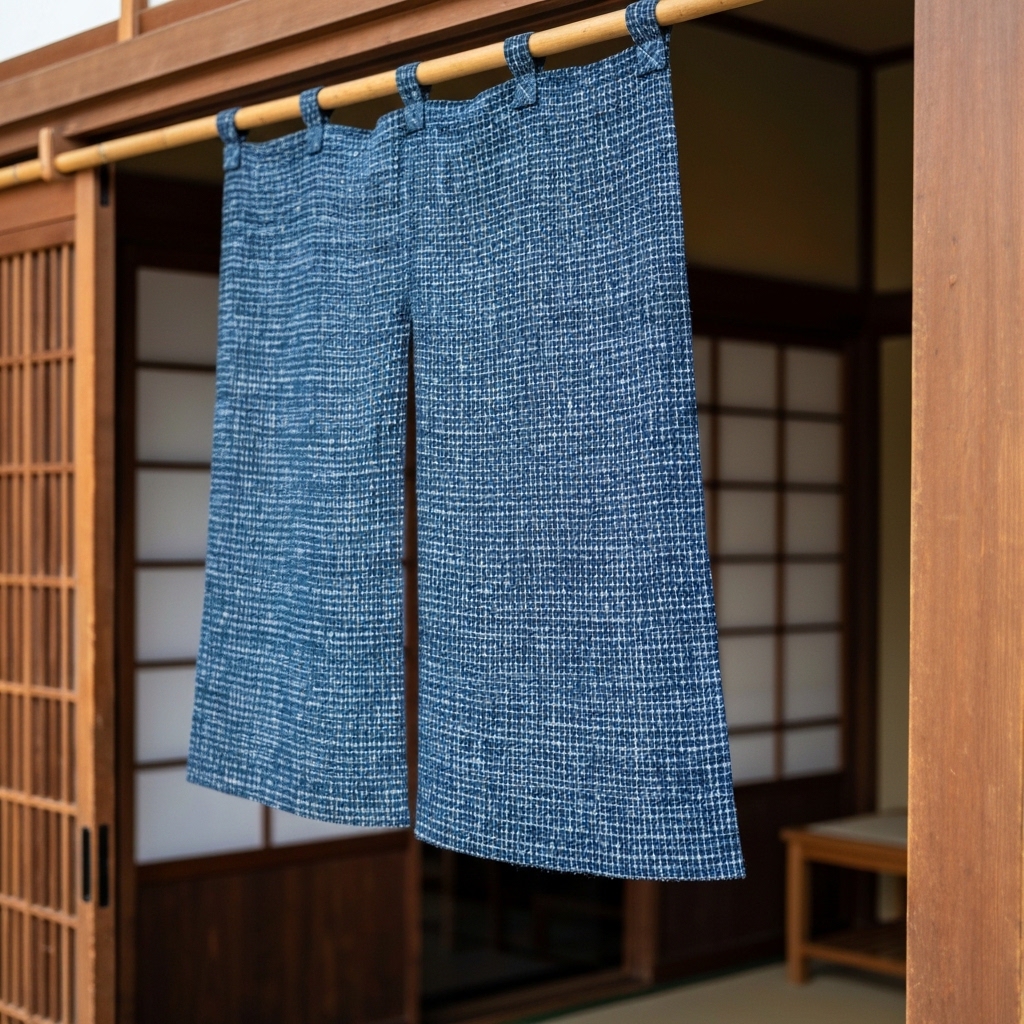
The effectiveness of a noren featuring a cat motif hinges on proper sizing and placement. Consider the function of the space. Is it a bustling kitchen, a serene tea room, or a compact apartment entrance? For areas with low ceilings, such as traditional Japanese homes (washitsu), a shorter noren (perhaps 90cm/35 inches in height) may be preferable. This prevents the fabric from overwhelming the space and maintains a sense of openness.
Conversely, for dividing a larger room or acting as a shop entrance, a longer noren (150cm/59 inches or even longer) can create a more dramatic impact. The width should always be proportionate to the doorway or opening. A general guideline is that the noren should be slightly wider than the opening, allowing for gentle folds when hung. This adds depth and visual interest.
Beyond purely aesthetic considerations, think about practicality. A noren hung in a high-traffic area, such as a doorway leading to a garden (niwa), should be durable and easily passable. A noren in a kitchen might benefit from being shorter to avoid accidental contact with countertops or food preparation areas. Think about whether you want a full split (where the fabric parts completely) or a partial split (where the fabric remains connected at the top). This affects ease of passage and the overall visual effect.
Expert Insight: Before purchasing, use painter's tape to visualize the size and placement of the noren in your desired location. This allows you to experiment with different heights and widths to ensure a perfect fit.
Matching Noren Cat Designs with Existing Interior Design Themes
A noren should complement, not clash with, your existing decor. For a minimalist aesthetic, consider a noren with a simple, stylized cat silhouette in a monochromatic color scheme. Think clean lines and understated elegance. A small, off-center cat design on a plain momen (cotton fabric) noren, hung in a doorway leading to a meditation space or study, can subtly enhance the tranquil atmosphere.
In a washitsu or a room with traditional Japanese furnishings, a noren featuring a more classic depiction of a cat, perhaps inspired by ukiyo-e woodblock prints, would be a more appropriate choice. Consider a noren with earth tones and subtle patterns that echo the textures and colors found in natural materials like wood and bamboo. A design depicting a kuro-neko (black cat) curled up on a tatami mat, for example, can add a touch of playful charm without disrupting the overall harmony.
For spaces with a more eclectic or bohemian vibe, a noren with a bolder, more whimsical cat design might be ideal. Think vibrant colors, quirky patterns, and playful compositions. A noren with a cat chasing butterflies or playing with a temari ball can inject personality and a sense of fun into the space.
Ultimately, the key is to find a noren that reflects your personal style and enhances the unique character of your home. For more room-by-room inspiration, explore our noren design ideas guide.
Using Noren Cat Designs to Create a Focal Point or Divide Spaces
A noren with a compelling cat design can serve as a captivating focal point. In a living room, a strategically placed noren can draw the eye and create a sense of visual interest. Perhaps hang a noren featuring a majestic cat portrait over a blank wall or in front of a window to transform an otherwise ordinary space into a statement piece. The goal is to create an area of focus, a place where the eye naturally rests and appreciates the artistry of the design.
Noren are also excellent for subtly dividing spaces without creating a harsh or permanent barrier. In a studio apartment, a noren can delineate a sleeping area from a living area, providing a sense of privacy and separation. The cat motif can add a touch of personality to the divider, making it more than just a functional element. Similarly, in a restaurant or cafe, noren can be used to create intimate dining spaces or to separate the kitchen from the dining area. A noren displaying a maneki-neko (beckoning cat) near the entrance can be both inviting and auspicious, attracting customers and good fortune. Think of a bar area using a noren to designate the transition from the general seating to the bar itself.
Maintaining and Caring for Your Noren Cat Design
Washing Instructions Based on Fabric Type
The longevity of your noren cat design depends significantly on proper cleaning. The method varies according to the textile composition. While a simple "machine washable" label might appear tempting, always consider the intricacies of the design and the potential for shrinkage or color alteration.
For cotton (momen 木綿) noren, a gentle hand wash is generally recommended, especially for those featuring intricate katazome (型染め) or tsutsugaki patterns. Use lukewarm water (around 30°C or 86°F) and a mild detergent specifically designed for delicate fabrics. Avoid harsh chemicals or bleach, as these can damage the fibers and fade the colors, particularly in traditionally dyed pieces. Gently agitate the noren in the water, paying attention to areas that may have accumulated dirt. Rinse thoroughly until no soap residue remains.
Linen (asa 麻) norens, known for their natural texture, can be a bit more resilient. However, high heat can cause shrinkage. A cold water machine wash on a delicate cycle is usually suitable. Always place the noren inside a mesh laundry bag to protect it from snagging or tangling during the wash cycle. Immediately remove it from the washing machine to minimize wrinkling.
Silk (kinu 絹) norens are the most delicate and should ideally be dry cleaned. If you choose to hand wash, use cool water and a specialized silk detergent. Avoid any rubbing or wringing; instead, gently press out the excess water.
Expert Insight: Consider testing a small, inconspicuous area of the noren with your chosen detergent before washing the entire piece. This will help you assess its colorfastness and prevent any unpleasant surprises.
Proper Storage Techniques to Prevent Damage and Fading
Proper storage is crucial for preventing damage from pests, humidity, and sunlight. Before storing, ensure your noren is completely dry to avoid mildew growth. Never store damp textiles, as this can lead to irreversible damage.
Fold your noren neatly along its natural seams and place it in a breathable cotton bag or wrap it in acid-free tissue paper. Avoid plastic bags, as they can trap moisture and promote mildew. Store it in a cool, dry place away from direct sunlight. Direct sunlight exposure will undoubtedly fade the vibrant colors of your cat design over time, especially those achieved with natural dyes like aizome (藍染め).
For optimal protection against pests, consider placing a small sachet of dried lavender or cedar chips in the storage bag. These natural repellents will help deter moths and other insects that might be attracted to the fabric. Periodically check your stored norens, especially during the humid summer months, to ensure no signs of mold or insect damage.
Addressing Common Issues Like Stains and Wrinkles
Even with the utmost care, stains and wrinkles can sometimes occur. Addressing them promptly and properly can help preserve the beauty and integrity of your noren.
For minor stains, spot cleaning is often sufficient. Gently dab the affected area with a clean, damp cloth and a mild detergent. Avoid rubbing, as this can spread the stain and damage the fabric. Always test the cleaning solution on an inconspicuous area first to ensure it does not cause discoloration.
Stubborn stains may require professional cleaning. It is best to consult with a textile specialist who has experience with vintage or delicate fabrics. Explain the material and the type of stain to ensure they use appropriate cleaning methods.
Wrinkles are a common issue, especially with linen or cotton norens. Ironing can be effective, but always use a low heat setting and iron on the reverse side of the fabric. Place a clean cotton cloth between the iron and the noren to protect the design from direct heat. For delicate fabrics like silk, steaming is a gentler alternative. Hang the noren in a steamy bathroom or use a handheld fabric steamer to release the wrinkles. Never use starch or sizing products on your noren, as these can attract pests and leave a residue.
Beyond the Standard: Unique and Custom Noren Cat Design Ideas
Commissioning a Custom Noren Cat Design: Working with Artists and Designers
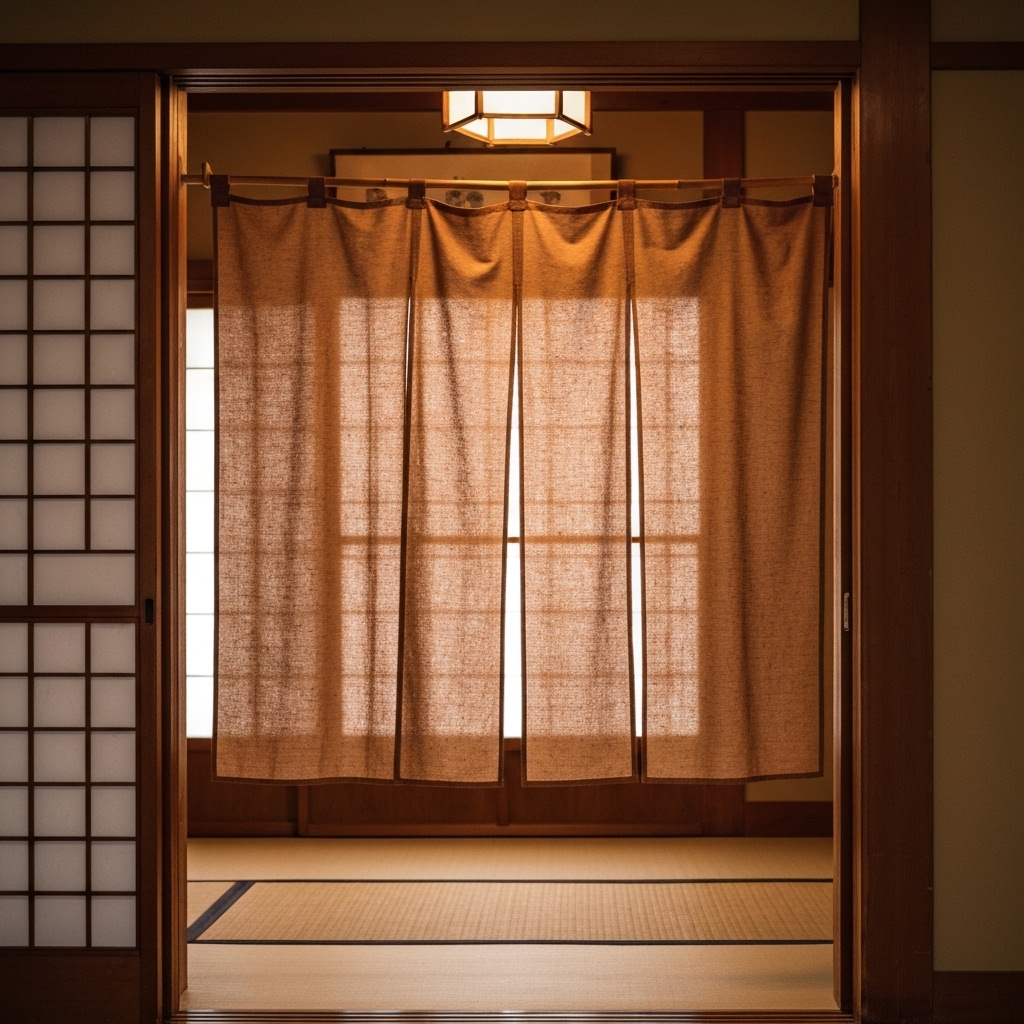
While readily available noren featuring cats are charming, a custom-designed piece elevates the everyday to an art form. Seeking out a skilled artisan, either directly or through a curated online marketplace specializing in Japanese crafts, opens a world of possibilities. Before contacting a designer, consider your ideal dimensions. Standard door widths in Japan typically range from 75-85 cm (29.5-33.5 inches), so a noren slightly wider than the opening is ideal. Decide on the desired length as well. Consider how much of the doorway you wish to cover for both aesthetic and practical reasons, such as blocking drafts or providing privacy.
Communication is key — and our custom noren guide walks through the full commissioning process in detail. Prepare a mood board showcasing examples of artistic styles you admire, focusing on elements like line work, color palettes, and the overall feeling you want to evoke. It’s helpful to reference specific art movements, like ukiyo-e (浮世絵) if you're drawn to woodblock print aesthetics, or sumi-e (墨絵) ink wash painting. Be prepared to discuss your cat’s unique characteristics if you want a likeness included; photos are a must! Many artists will request a percentage upfront as a deposit before beginning the design process. Agree on the number of revisions included in the price to ensure a smooth collaboration. Also, specify the construction details: will the artist source the material, or will you provide it? What type of saotooshi (竿通し) finish are you requesting? A simpler folded-over hem, or a reinforced, separate loop of fabric? All these details should be explicitly addressed to avoid miscommunication.
DIY Noren Cat Projects: Tips and Techniques for Creating Your Own
For the hands-on crafter, a DIY noren project offers a personalized touch. Start with a simple design and gradually increase the complexity as you gain experience. Stencil painting is a beginner-friendly method. Purchase pre-cut stencils or create your own using sturdy cardboard or plastic sheets. Use fabric paints specifically designed for your chosen material. Ensure even application and allow ample drying time to prevent bleeding. Another popular method involves fabric markers. These allow for finer details and greater control, making them ideal for creating whimsical cat portraits. Practice your design on a scrap piece of fabric before committing to the final noren.
Embroidery adds texture and depth to your design. Sashiko (刺し子), a form of Japanese folk embroidery using simple running stitches, is particularly well-suited for noren. Kits are readily available and offer pre-printed patterns to guide your stitching. For a more advanced project, consider appliqué. Cut out cat shapes from contrasting fabrics and carefully stitch them onto the base noren material. Stabilize the fabric with interfacing to prevent puckering. Remember to pre-wash all fabrics to avoid shrinkage after completion.
Expert Insight: Always measure and cut your fabric slightly larger than the final desired dimensions to allow for seam allowances and hemming. It's much easier to trim excess fabric than to add more!
Exploring Unconventional Noren Cat Designs: Incorporating Different Art Styles and Techniques
Break free from traditional depictions and explore innovative approaches to noren cat design. Consider incorporating modern abstract art styles. Geometric shapes and bold colors can create a striking visual impact. Think of a minimalist design with a few strategically placed triangles suggesting a cat’s ears and eyes. Instead of realistic portrayals, focus on the idea of a cat.
Consider incorporating patchwork techniques, using scraps of different fabrics to create a vibrant mosaic. Different textile patterns can be used for the cat's body, ears and tail, adding a quirky, modern feel. Incorporating unusual textures, like recycled denim or hand-dyed shibori (絞り) fabrics, also contributes to a more unique aesthetic.
Digital printing opens another avenue for exploration. Transfer photographs of your own cat onto fabric for a truly personalized noren. Alternatively, digitally create complex designs using graphic design software and have them professionally printed onto your chosen material. Think about using unexpected shapes for your noren, too. Perhaps an arched top, mimicking the curve of a cat's back, or an asymmetrical design that adds an element of surprise. The possibilities are truly endless when you venture beyond the standard rectangular format.
Deconstructing the Noren Cat Design: Regional Variations & Historical Context
Exploring regional differences in noren cat designs across Japan
While the charming image of cats on noren is widespread throughout Japan, nuanced regional variations reflect local folklore, crafts, and artistic preferences. For example, in areas with strong connections to traditional textile production, you might find noren cat designs incorporating kasuri (絣, ikat) patterns or other locally significant weaving techniques. This is particularly true in regions like Kurume in Fukuoka Prefecture, known for its Kurume-gasuri (久留米絣). Instead of simply printing a cat image onto a mass-produced fabric, the design becomes integrated with the fabric itself, creating a far more elaborate and culturally rich piece.
In contrast, coastal towns might favor designs featuring maritime motifs alongside cats. Think of a playful cat interacting with fishing nets, sailboats, or even stylized waves. These motifs are especially prevalent in towns with a history of fishing or seafaring traditions. You might see noren celebrating a local fishing festival or depicting a particular catch of the day alongside a lucky cat.
Kyoto's refined artistic sensibilities often manifest in noren cat designs that incorporate elements of Nihonga (日本画, Japanese painting) or traditional textile arts. These noren might feature elegant depictions of cats amongst cherry blossoms or bamboo groves, rendered with subtle shading and delicate brushstrokes. The color palettes in Kyoto designs tend to be more muted and sophisticated compared to the bolder designs found in other regions. Designs originating from Okinawa may exhibit influences from Ryukyu culture with brighter colors and depictions alongside Shisa (シーサー) or hibiscus flowers.
Expert Insight: When selecting a noren cat design, consider its origin. Authenticity adds to the piece's story and connects you to a deeper cultural narrative. Look for details like the weaver or artisan's mark (if any), or search out unique motifs known to that area.
Tracing the historical evolution of cat-themed noren
The popularity of cat motifs in Japanese art and design stretches back centuries. However, the specific application of cats on noren developed more recently, likely gaining momentum in the late Edo period (1603-1868) and continuing through the Meiji era (1868-1912).
In earlier times, noren primarily served a functional purpose, identifying businesses or protecting shop interiors from the elements. As Japanese society became more prosperous and artistic expression flourished among the merchant class, noren evolved beyond simple signage. Cats, already popular as symbols of good luck and prosperity, began to appear more frequently in noren designs. The maneki-neko (招き猫, beckoning cat), in particular, likely influenced this trend.
Early cat-themed noren designs would have been simpler, often employing techniques like stencil dyeing or basic embroidery to create the cat image. Over time, printing techniques improved, allowing for more complex and detailed depictions. The introduction of synthetic dyes during the Meiji era also expanded the range of available colors, leading to more vibrant and eye-catching noren designs.
Additionally, the rise of consumer culture and branding played a role. Businesses began using unique noren designs, including those featuring cats, to attract customers and establish their brand identity. It is probable that this led to a rise in popularity and further demand for more unique noren cat designs.
How the noren cat design reflects Japan's unique artistic identity
The noren cat design, though seemingly simple, encapsulates several key aspects of Japan's artistic identity.
First, it showcases a deep appreciation for nature and animals. The cat, a beloved companion animal, is elevated to an artistic subject, treated with respect and affection. This reflects a broader Japanese aesthetic that values harmony with nature and finds beauty in everyday life.
Second, the noren cat design exemplifies the concept of kawaii (可愛い, cute). The emphasis on adorable imagery and playful designs is a distinctive feature of Japanese popular culture, and the noren cat design readily embraces this aesthetic. The use of rounded shapes, bright colors, and whimsical poses all contribute to the design's overall cuteness.
Third, it showcases a remarkable blend of tradition and modernity. While the noren itself is a traditional craft, the cat motif is constantly reinterpreted and updated to reflect contemporary tastes. This ability to adapt and innovate while preserving cultural heritage is a defining characteristic of Japanese art and design. For instance, you might find traditional noren patterns combined with stylized manga-inspired cat designs, blending past and present in a visually compelling way. Furthermore, the very nature of noren being a textile form, lends itself to expressing the unique characteristics of Japanese artistic identity.