Noren Design Ideas: Elevate Your Space with Japanese Curtains
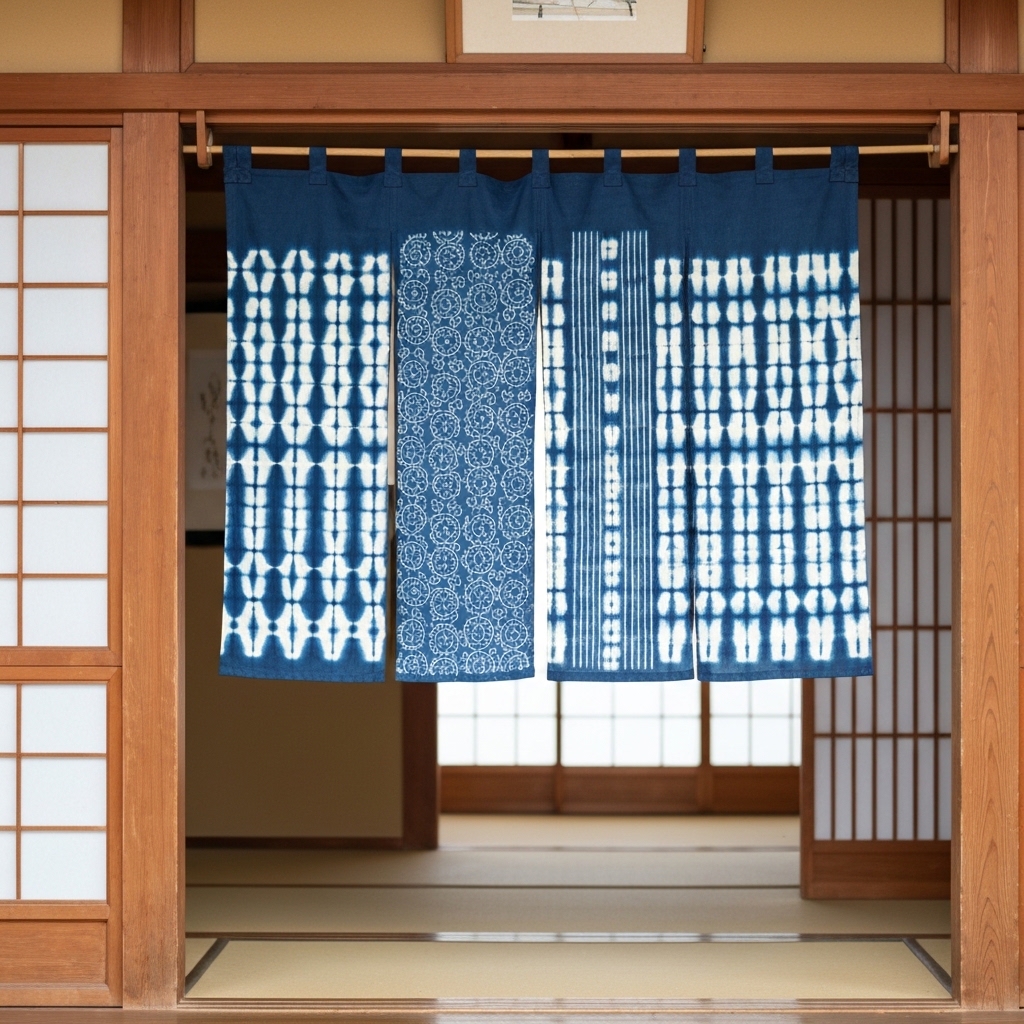
Exploring Traditional Noren Design Ideas: Motifs and Symbolism
The humble 暖簾 (noren), often seen gracing the entrances of shops and restaurants across Japan, is far more than just a simple curtain. It’s a canvas steeped in history, tradition, and symbolism. While modern noren designs explore contemporary themes, understanding the traditional motifs unlocks a deeper appreciation for this iconic piece of Japanese culture. These designs aren't just aesthetically pleasing; they whisper stories of good fortune, prosperity, and cultural heritage.
Japanese Traditional Motifs: Cranes, Koi Fish, Cherry Blossoms, and Their Associated Meanings
For centuries, certain motifs have held special significance in Japanese art and daily life, and these are frequently found adorning noren. Each image carries a weight of meaning, understood and appreciated by both the owner and the passerby.
-
Cranes (鶴, Tsuru): The crane is arguably one of the most auspicious symbols in Japanese culture. Revered as a bird of happiness and longevity, the crane is often associated with good fortune and a long life. According to legend, cranes live for a thousand years, making them potent symbols of immortality. Seeing a noren with a crane design signals a place of peace, longevity, and good health. Often depicted in elegant flight or standing gracefully, the crane’s image brings an air of sophistication and reverence. A common rendering often features the red-crowned crane (丹頂鶴, tanchōzuru), recognizable by its striking red crown.
-
Koi Fish (鯉, Koi): Koi, or carp, symbolize perseverance, strength, and good fortune, particularly in business. These hardy fish are known for their ability to swim upstream against strong currents, a trait associated with overcoming adversity and achieving success. Because of this association with strength and determination, koi are often seen as a symbol of courage and ambition. Noren displaying koi fish are especially popular for businesses, subtly conveying a message of resilience and prosperity to customers. A common depiction shows the koi ascending a waterfall (登竜門, tōryūmon), based on the Chinese legend of a carp transforming into a dragon after successfully swimming up the Yellow River.
-
Cherry Blossoms (桜, Sakura): Perhaps the most iconic symbol of Japan, cherry blossoms represent the ephemeral nature of beauty and life. Their brief but stunning bloom serves as a reminder to appreciate the present moment. Sakura are associated with renewal, hope, and the arrival of spring. A noren adorned with cherry blossoms conveys a sense of delicate beauty and the promise of good things to come. The fleeting nature of the sakura also carries a philosophical weight, reminding us of the transient nature of existence. During the spring season, noren featuring sakura designs are particularly popular, adding a touch of seasonal charm to any entrance. The typical five-petal sakura is most common, but some designs feature more stylized interpretations. For a deeper look at sakura motifs and seasonal styling, see our cherry blossom noren guide.
-
Other Auspicious Motifs: Beyond these three, many other traditional motifs appear on noren. These include:
- Pine Trees (松, Matsu): Symbolize longevity, steadfastness, and good fortune, especially during the New Year.
- Bamboo (竹, Take): Represents resilience, flexibility, and integrity.
- Plum Blossoms (梅, Ume): Symbolize perseverance, hope, and beauty in adversity, as they bloom in late winter.
- Waves (波, Nami): Represent strength, power, and the ebb and flow of life. Often combined with other motifs like koi fish.
The choice of motif for a noren is often deliberate, reflecting the values or aspirations of the business or household it adorns. To explore the full range of classic patterns and their cultural significance, read our guide to traditional Japanese noren motifs.
Kamon (Family Crests): Incorporating Family Crests into Noren Designs
家紋 (Kamon), or family crests, are emblems used in Japan for centuries to denote a family's lineage, status, and identity. Think of them as a visual representation of a family’s history. Incorporating a kamon into a noren is a powerful way to personalize it, transforming it from a simple curtain into a statement of heritage and pride.
Kamon designs are incredibly diverse, ranging from stylized plant motifs and geometric patterns to representations of animals and natural phenomena. Popular kamon include:
- Plant Motifs: Circular designs featuring wisteria (藤, Fuji), paulownia (桐, Kiri), oak leaves (柏, Kashiwa), and various flowers.
- Animal Motifs: Butterflies (蝶, Chō), cranes (鶴, Tsuru), and hawks (鷹, Taka) are common choices, each imbued with symbolic meaning.
- Geometric Patterns: Intricate geometric designs, like the scale pattern (鱗, Uroko) or diamond pattern (菱, Hishi), can also serve as kamon.
Using a kamon on a noren is a sign of respect for one's ancestors and a way to maintain a connection to family history. Restaurants and traditional shops often use their family kamon on their noren, signaling authenticity and a commitment to tradition.
The placement of the kamon on the noren is also important. It is often centered on the fabric, providing a focal point that draws the eye. Sizes vary, but a diameter of around 20-30 cm (8-12 inches) is common for a standard-sized noren. The color of the kamon is also significant, with white or a light color typically used on a darker background.
Expert Insight: When incorporating a kamon into a noren design, ensure you have the correct representation of your family crest. Consult with a family historian or a specialist in kamon to avoid errors, as incorrect crests can be considered disrespectful.
Calligraphy and Text: Using Calligraphy and Traditional Japanese Text for Unique Noren
Japanese calligraphy (書道, Shodō) is an art form that goes beyond mere writing; it's a means of expressing emotion and capturing the essence of a word or phrase. Incorporating calligraphy into a noren design can add a touch of elegance, sophistication, and cultural depth.
Traditional Japanese text, whether in the form of a shop name (屋号, yagō), a welcoming phrase (いらっしゃいませ, irasshaimase), or a proverb, can also be used to create unique and meaningful noren.
Here are some popular ways to incorporate calligraphy and text:
-
Shop Names: Displaying the shop's name in elegant calligraphy is a classic and effective way to identify a business. The font style used can convey the character of the establishment, from a traditional, formal script for an established business to a more modern, playful style for a contemporary shop.
-
Welcoming Phrases: Phrases like "御食事処" (Oshokujidokoro, meaning "restaurant") or "お食事" (Oshokuji, meaning "meal") are commonly used on noren for eateries. A simple "いらっしゃいませ" (Irasshaimase, "welcome") adds a warm and inviting touch.
-
Proverbs and Quotes: Incorporating a meaningful proverb or a short poem can add depth and intrigue to a noren. For example, a tea house might use a quote about the importance of mindfulness or the beauty of nature.
-
Menu Items: Some restaurants use noren to display their signature dishes, written in bold and eye-catching calligraphy. This is a practical and visually appealing way to attract customers.
The choice of font style (書体, shotai) is crucial. Common styles include:
- 楷書 (Kaisho): A formal, block-style script.
- 行書 (Gyosho): A semi-cursive, flowing script.
- 草書 (Sosho): A highly cursive, abstract script.
The font style should complement the overall design of the noren and the character of the business or household.
Nature-Inspired Designs: Mountain Landscapes, Bamboo Forests, and Other Natural Elements
Japan's deep connection with nature is reflected in its art, culture, and daily life. Nature-inspired designs are a popular choice for noren, bringing a sense of tranquility, beauty, and harmony to any space.
-
Mountain Landscapes (山水, Sansui): Majestic mountain ranges, often depicted with mist and flowing water, are a classic motif. These landscapes evoke a sense of awe and respect for nature's power.
-
Bamboo Forests (竹林, Chikurin): Towering bamboo stalks swaying gently in the wind are a symbol of resilience, flexibility, and good fortune. A bamboo forest design creates a sense of serenity and tranquility.
-
Water Motifs (水紋, Suimon): Depictions of flowing water, whether in the form of waves, rivers, or waterfalls, represent the ebb and flow of life. Water is often associated with cleansing, purification, and renewal.
-
Floral Motifs: Besides cherry blossoms, other popular floral motifs include wisteria (藤, Fuji), irises (菖蒲, Shōbu), and chrysanthemums (菊, Kiku). Each flower carries its own symbolic meaning and adds a touch of beauty and elegance.
-
Animal Motifs within Nature: Images of birds, deer, or foxes in their natural habitats add a touch of whimsy and charm.
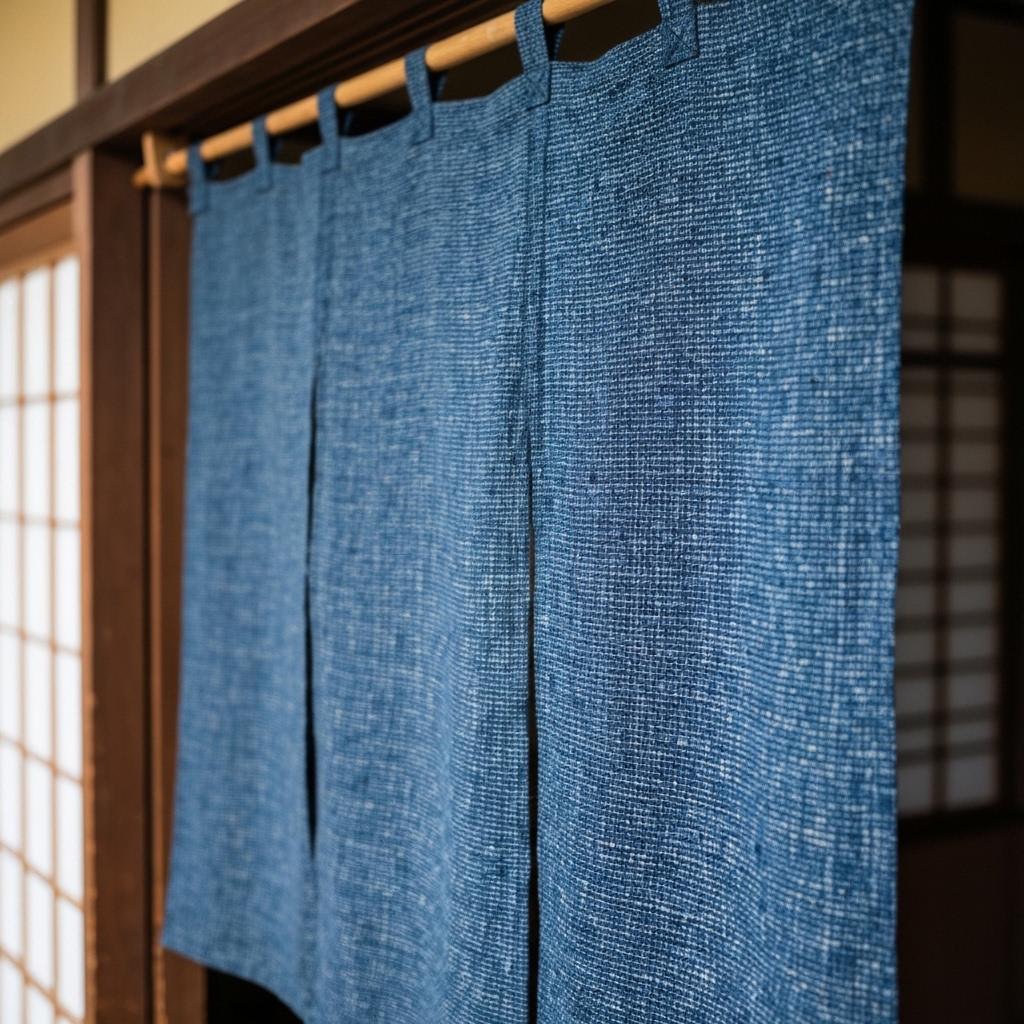
These nature-inspired designs can be rendered in a variety of styles, from realistic depictions to more abstract and stylized interpretations. The use of natural dyes, such as 藍染め (aizome, indigo dye), further enhances the connection with nature. The material itself, whether 麻 (asa, hemp/linen), 綿 (men, cotton fabric) or 木綿 (momen, cotton), also contributes to the overall aesthetic, bringing the textures and tones of the natural world into the design. The length of the noren is also a factor. A shorter noren may only show a small portion of a mountain or a few bamboo stalks. In contrast, a longer noren offers more canvas to depict sweeping landscapes. Noren are often hung using a 竿通し (saotooshi), the rod pocket, and are supported by a 突っ張り棒 (tsuppari-bou, tension rod).
Modernizing the Noren: Contemporary Noren Design Ideas and Materials
Abstract Designs: Exploring geometric patterns, color blocking, and minimalist styles
Moving beyond representational motifs, abstract noren designs offer a strikingly modern aesthetic. In the Japanese context, this trend draws inspiration from contemporary art movements while retaining an appreciation for wabi-sabi (侘寂), finding beauty in imperfection and simplicity. Instead of explicitly depicting tsuru (鶴, cranes) or sakura (桜, cherry blossoms), an abstract design might use subtly gradated colors to evoke the feeling of springtime or employ asymmetrical lines to suggest the movement of wind or water.
Geometric patterns, often inspired by traditional Japanese textile designs but executed in a bolder, more modern way, are frequently seen. For instance, a repeating shippo (七宝, linked circles) pattern, usually intricate, could be simplified to overlapping circles in contrasting shades, creating a dynamic yet clean visual effect. Color blocking, a technique popular in mid-century modern design, also translates effectively to noren. Imagine two or three large rectangles of color, perhaps in muted tones of indigo, ochre, and gray, meeting at irregular seams – a simple yet impactful statement.
Minimalist noren designs embrace the concept of "less is more." A single, strong horizontal line across a plain fabric, a subtle texture created through weaving variations, or a strategically placed single stitch can create a powerful visual focal point. These designs often focus on the inherent qualities of the material itself, highlighting the drape of the fabric or the way light filters through its weave. The length and thickness of the slits are also key considerations. A long, singular slit down the center emphasizes verticality and creates a sense of openness, while shorter, more numerous slits offer a more playful, textured appearance. We cover this aesthetic in detail in our minimalist noren style guide.
Digital Printing and Custom Graphics: Creating personalized noren with digital imagery
Digital printing has revolutionized the possibilities for noren design, allowing for unprecedented levels of customization and detail. Gone are the constraints of traditional dyeing methods; digital printing allows for photorealistic images, intricate gradients, and complex patterns to be transferred directly onto the fabric. This opens the door to truly personalized noren, reflecting individual tastes and brand identities.
For businesses, this means incorporating logos, product images, or custom graphics into their noren. A small ramen (ラーメン) shop, for example, could feature a mouthwatering image of their signature dish alongside their name. Retail spaces can utilize digitally printed noren to announce sales or promotions with eye-catching visuals. The print quality is crucial here; a high-resolution image printed with durable, fade-resistant inks is essential to maintain a professional appearance over time.
On a more personal level, individuals can create noren featuring family crests, photographs, or artwork. Imagine a noren with a digitally rendered image of a beloved pet, or a custom design based on a child's drawing. Digital printing also enables the creation of themed noren for special occasions, such as birthdays, holidays, or anniversaries. The size and placement of the image are important considerations. A large, central image will command attention, while smaller, repeating images create a more subtle and patterned effect.
Expert Insight: Before commissioning a digitally printed noren, request a sample print on the chosen fabric to ensure color accuracy and image clarity. Different fabrics will absorb ink differently, so it's important to test the results beforehand.
Material Innovations: Utilizing non-traditional fabrics like linen, canvas, or recycled materials
While momen (木綿, cotton) has long been the standard fabric for noren, contemporary designs are exploring a wider range of materials, each offering unique aesthetic and functional properties. Asa (麻, hemp/linen) is a popular alternative, known for its durability, breathability, and textured appearance. Linen noren possess a natural elegance and drape beautifully, creating a more relaxed and informal ambiance. The slightly rough texture of linen adds visual interest and contributes to a more rustic or bohemian aesthetic.
Canvas, a heavier and more robust fabric, is another increasingly common choice, particularly for outdoor or high-traffic areas. Its sturdiness makes it resistant to wear and tear, while its smooth surface provides an excellent canvas for printing or painting. Canvas noren are well-suited for businesses seeking a durable and long-lasting signage solution.
Furthermore, a growing emphasis on sustainability has led to the exploration of recycled and upcycled materials for noren production. Recycled cotton, made from reclaimed fabric scraps, reduces waste and conserves resources. Upcycled denim, with its distinctive texture and color variations, can be transformed into unique and eye-catching noren. The use of recycled materials adds an element of environmental consciousness to the design, appealing to ethically minded consumers.
Beyond the fabric itself, consider incorporating mixed materials. For example, adding leather accents, wooden beads, or metal grommets can create a unique and tactile experience. Different weights of material can be used in a single noren to create a sense of layering or movement.
Incorporating Western Design Elements: Blending Japanese and Western aesthetics
The fusion of Japanese and Western design principles has become increasingly prevalent in contemporary noren designs, resulting in unique and innovative pieces that bridge cultural boundaries. This often involves incorporating Western patterns, colors, or typographic styles while retaining the fundamental form and function of the noren.
For example, a noren might feature a classic toile de Jouy pattern in a subtle indigo and white color palette, creating a refined and unexpected juxtaposition. Using Western typographic styles for shop names or logos can also add a modern touch, replacing traditional Japanese calligraphy with clean, sans-serif fonts. The key is to strike a balance between the two aesthetics, avoiding a jarring or disjointed effect.
Consider the use of Western color palettes. Instead of relying solely on traditional Japanese colors, such as deep indigo or vermilion, incorporate muted pastels, earth tones, or bold primary colors. Pairing these colors with traditional Japanese motifs, such as stylized waves or geometric patterns, can create a visually appealing and harmonious blend.
Another approach is to adapt Western art styles to the noren format. A noren could feature an abstract expressionist painting, a pop art print, or a minimalist geometric design. The possibilities are endless, as long as the design remains sensitive to the inherent qualities of the noren as a functional and decorative object. Thoughtful adaptation, instead of direct replication, is essential to create a truly successful fusion of styles.
Noren Design Ideas Based on Function: Defining Purpose and Placement
Beyond aesthetics, the true beauty of noren lies in their adaptability to specific functional requirements. The design should always complement its intended purpose and location. Thinking functionally from the start will guide better material, pattern, and construction choices.
Shop Noren: Designs for Businesses, Restaurants, and Retail Spaces
For businesses, noren function as subtle yet powerful branding tools. Think beyond just the name of your establishment in bold letters. What feeling do you want to evoke? What message do you want to convey?
Consider a traditional ryokan (旅館, Japanese inn). Outside the entrance, you might see a long noren dyed in deep indigo, bearing the mon (紋, family crest or emblem) of the inn or perhaps a simple character like 湯 (yu, hot water), subtly indicating the presence of an onsen (温泉, hot spring bath). This signals quality, tradition, and a sense of refined hospitality.
For restaurants, the design can be even more specific. Many ramen-ya (ラーメン屋, ramen shops) feature noren emblazoned with the character 麺 (men, noodles) or depictions of steaming bowls of ramen. Izakaya (居酒屋, Japanese pubs) might display noren with the names of popular sake brands or images of grilled skewers.
The length of the noren is also a factor. A shorter noren allows customers to peek inside, creating a sense of invitation and transparency. A longer noren, conversely, offers more privacy and can create an air of exclusivity. For example, upscale sushi restaurants sometimes use long, heavy noren to subtly suggest a more formal and expensive dining experience.
Think about the number of slits. A single slit might denote a more formal establishment, while multiple slits might indicate a more casual and bustling atmosphere. A wider slit opening facilitates ease of passage for servers carrying trays. The header (竿通し saotooshi) should be reinforced to withstand frequent opening and closing.
Consider the noren as part of the shop's overall signage. Coordinate the design with your existing logo, color scheme, and branding elements to create a cohesive and memorable image.
Noren for shops frequently feature:
- The shop's name (屋号, yagō)
- The type of establishment (e.g., 蕎麦 soba, buckwheat noodles)
- The shop's logo or a relevant symbol (e.g., a sake bottle for an izakaya)
- A simple, eye-catching design that reflects the shop's personality
Expert Insight: When designing a noren for a business, prioritize legibility. Choose fonts and color combinations that are easy to read from a distance, especially in crowded areas. Consider using a simplified version of your logo or a single, powerful character rather than a complex design. For more on commercial noren, see our dedicated guide on noren for restaurants and shops.
Kitchen Noren: Practical and Decorative Designs for the Kitchen Entrance
In a Japanese home, the kitchen noren isn't just decorative; it serves several practical purposes. It can conceal a messy kitchen from guests, offer a visual break between the cooking area and dining space, and even help to contain cooking odors.
Designs for kitchen noren often incorporate food-related motifs. Vegetables like nasu (茄子, eggplant), kabocha (南瓜, pumpkin), or takenoko (筍, bamboo shoots) are popular choices. Other motifs include kitchen utensils such as knives, pots, and pans or simple geometric patterns.
A typical kitchen noren measures between 85-90 cm (33-35 inches) in width and 120-150 cm (47-59 inches) in length. The length is crucial for achieving the desired level of privacy and odor control.
Choosing a material that's easy to clean is vital. While delicate kinu (絹, silk) would be impractical, heavier momen (木綿, cotton) or even a blend with synthetic fibers might be preferable.
The placement of the slits is equally important. Centrally placed slits are common, but consider offsetting them to one side if you frequently carry dishes in and out of the kitchen with one hand. A single, wide slit might be more convenient than multiple narrow ones.
Consider adding a small pocket along the bottom edge of the noren to insert weights. This will help the noren hang straight and prevent it from billowing in the breeze or being easily pushed aside. This is especially useful in kitchens with drafts. For specific product recommendations and styling tips, see our guide to the best noren for kitchens.
Bathroom Noren: Selecting Appropriate Materials and Designs for Privacy and Ventilation
Bathroom noren present a unique set of challenges. They must provide sufficient privacy while allowing adequate ventilation to prevent moisture buildup. Therefore, material selection is paramount.
While solid, opaque fabrics offer maximum privacy, they can restrict airflow. A lighter asa (麻, hemp/linen) allows air circulation but provides less concealment. A balance must be struck.
Many Japanese bathrooms feature noren made from open-weave fabrics or materials with small perforations to promote ventilation. Some designs incorporate sections of lace or sheer fabric to allow light to filter through.
Consider using water-resistant treatments. Although not fully waterproof, these treatments can help repel splashes and prevent the fabric from becoming damp and moldy. Look for sprays specifically designed for fabrics that won't compromise breathability.
Designs for bathroom noren tend to be simple and understated. Common motifs include water ripples (水紋 suimon), bubbles, or abstract patterns. The color palette often leans towards cool blues, greens, and whites, evoking a sense of cleanliness and tranquility.
The length of a bathroom noren is typically shorter than that of a kitchen noren, often around 90-120 cm (35-47 inches). This allows for better airflow at floor level.
In Japanese culture, it's common to indicate the gender of the bathroom using noren. A blue noren might signify the men's room, while a red or pink noren might indicate the women's room. Alternatively, symbols like a stylized male or female figure are used.
Expert Insight: For added privacy without sacrificing ventilation, consider layering two noren. A sheer noren can provide a base layer of privacy, while a heavier noren can be drawn across when needed. This allows for flexibility and control over both light and privacy. Read more in our noren for bathroom doorways guide.
Room Divider Noren: Using Noren to Create Flexible Partitions in Homes and Offices
Noren aren't just for doorways; they also excel as flexible room dividers. They offer a lightweight, space-saving alternative to traditional walls or screens, allowing you to easily reconfigure your living or working space.
When using noren as room dividers, consider the overall aesthetic of the room. Choose designs that complement your existing decor and create a sense of harmony.
Longer noren, extending almost to the floor, create a more defined sense of separation. Shorter noren offer a more subtle visual break, allowing light and air to flow freely.
Multiple noren, hung side by side, can create a wider partition. Experiment with different colors, patterns, and lengths to create a unique and visually interesting effect.
In office settings, noren can be used to create temporary workstations or meeting areas. They offer a degree of privacy without completely isolating employees. Consider using noren with solid colors or simple geometric patterns to maintain a professional atmosphere.
In homes, noren can be used to separate living and dining areas, create a cozy reading nook, or divide a large bedroom into distinct zones. They're particularly useful in small apartments where space is limited.
Think about the type of atmosphere you want to create. A light, airy noren made from asa (麻, hemp/linen) will create a more relaxed and informal atmosphere, while a heavier noren made from momen (木綿, cotton) will create a more intimate and private space.
Consider mounting the noren on a track system instead of a traditional rod. This will allow you to easily slide the noren open and closed, creating a truly flexible partition. You can even use multiple noren on a single track to create a layered effect. For a complete walkthrough, see our guide on using noren as room dividers.
Fabric and Embellishments: Selecting the Right Materials for Your Noren
Natural Fabrics: Cotton, Linen, Hemp, and their Characteristics
When selecting the ideal fabric for your 暖簾 (noren), understanding the nuances of natural materials is crucial. While the weave and weight of the fabric impact drape and light diffusion, the inherent qualities of each fiber offer distinct aesthetic and practical advantages.
Cotton (木綿, momen), a perennial favorite, offers exceptional versatility. Beyond the standard plain weave, consider exploring variations like sarashi momen (晒木綿), a bleached cotton prized for its crisp hand and clean aesthetic, frequently used in minimalist designs. Or kurume gasuri (久留米絣), a traditional indigo-dyed cotton textile with intricate woven patterns, offering a rustic, textured charm, especially apt for noren in traditional restaurants or craft shops. Cotton's affinity for dyes makes it a blank canvas, but its susceptibility to wrinkles and shrinkage should be considered. Think about pre-washing and utilizing a slightly heavier weight of cotton to mitigate these issues.
Linen, encompassing both ramie and flax linen in Japanese terminology, is often categorized as 麻 (asa). Its inherent strength and breathability make it ideal for warmer climates. Look for linen blends that incorporate small percentages of other fibers to improve drape and reduce wrinkling. Linen's natural texture lends itself well to designs featuring subtle, organic motifs or for a simple, elegant appearance in spaces favoring wabi-sabi aesthetics. Consider the weave density when selecting linen; a looser weave allows for more light penetration, ideal for storefronts wanting to showcase their wares, while a tighter weave offers more privacy.
Hemp, also classified under 麻 (asa), is a durable and sustainable option. Its coarser texture and earthy tones impart a distinctly natural feel. While less common than cotton or linen for noren, hemp's robust nature makes it a good choice for high-traffic areas or outdoor applications (though proper weatherproofing is still recommended). Hemp blends, increasingly available, can combine hemp's strength with the softness of other fibers. For instance, hemp-cotton blends offer a balanced texture and improved drape, suitable for a variety of designs.
The feel and drape of natural fabrics also change over time. Cotton softens with washing, developing a more relaxed appearance, while linen becomes more supple. These changes contribute to the character and individuality of the noren over its lifespan. The selection should depend on the desired aesthetic at present, and how you want the noren to look as it ages.
Synthetic Fabrics: Polyester, Rayon, and their Durability and Maintenance Advantages
While natural fabrics offer a certain charm, synthetic options such as polyester and rayon present compelling advantages in terms of durability, cost-effectiveness, and ease of maintenance. They provide alternatives for specific applications and designs, especially where practicality is paramount.
Polyester, renowned for its resilience, is highly resistant to fading, shrinking, and wrinkling. This makes it an excellent choice for noren in environments exposed to direct sunlight or high humidity, where natural fibers might degrade more quickly. It drapes and resists mildew well. Think of outdoor markets where vendors need durable noren identifying their stalls – polyester is a logical choice. Its capacity to hold vibrant colors through printing techniques allows for intricate designs and branding. Keep in mind, however, that polyester lacks the breathability of natural fibers and can feel less luxurious to the touch. Look for micro-polyester options for a slightly softer hand.
Rayon, derived from cellulose fibers, possesses a silk-like sheen and drape. While less durable than polyester, it offers a more luxurious feel than some coarser synthetic materials. Rayon drapes well but wrinkles more easily than polyester. Furthermore, rayon's water-absorbent quality means it might be more susceptible to shrinking. Its ability to accept vibrant dyes makes it suitable for creating visually striking noren with rich colors and intricate patterns, especially for interior spaces where the drape and appearance are a higher priority.
When comparing synthetics, consider the specific application. For areas where durability and weather resistance are crucial, polyester is generally preferred. For interior spaces where drape and aesthetic appeal are more important, rayon can be a viable option. Always check the care label and follow the manufacturer's instructions to maximize the lifespan of synthetic noren.
Adding Embellishments: Using Embroidery, Applique, and Surface Design
Beyond the base fabric, embellishments can elevate the design, adding layers of texture, symbolism, and personal expression. Embroidery, applique, and various surface design applications offer avenues for creating truly unique and captivating noren.
Embroidery, whether hand-stitched or machine-made, can introduce intricate details and three-dimensional elements. Consider using traditional Japanese embroidery techniques like sashiko (刺し子) with its distinctive geometric patterns, to create a subtle yet impactful design. Using thicker threads, different colored threads, or even metallic threads can introduce depth and texture. It's especially effective for accentuating motifs like stylized family crests or shop logos.
Applique, involves attaching fabric pieces to the base material to create a design. This technique allows for bold, graphic statements and is particularly effective for depicting large-scale motifs or creating a collage-like effect. Japanese boro (襤褸) techniques, repurposing and patching fabrics, can provide inspiration for adding rustic and meaningful texture to noren used to decorate a casual space.
Beyond embroidery and applique, explore other surface design techniques. Fabric painting offers flexibility in creating custom designs. Stencils can be employed to create repetitive patterns or intricate imagery. Consider using fabric markers for small, detailed additions or hand-drawn elements.
Adding beads, sequins, or other embellishments can introduce a touch of glamour. However, prioritize durability and ensure that embellishments are securely attached to avoid them becoming detached and damaging the overall aesthetic.
Considerations for Light Filtering: Choosing Fabric Thickness and Color
The ability of a noren to filter light significantly impacts the ambiance of the space it occupies. Fabric thickness and color are primary factors influencing the amount of light that passes through.
Thicker fabrics, naturally, block more light than thinner ones. Dense weaves, regardless of the fiber type, will create a more opaque barrier. Using several layers of fabric offers another strategy to control light. Layering sheer fabrics over opaque ones creates a play of light and shadow while maintaining privacy.
Darker colors absorb more light than lighter colors. A noren in a deep indigo or charcoal gray will block significantly more light than one in pale cream or white. Consider how the chosen color interacts with natural and artificial light sources. For example, a dark blue noren in a brightly lit space will appear darker and more saturated, while the same noren in a dimly lit space might appear almost black.
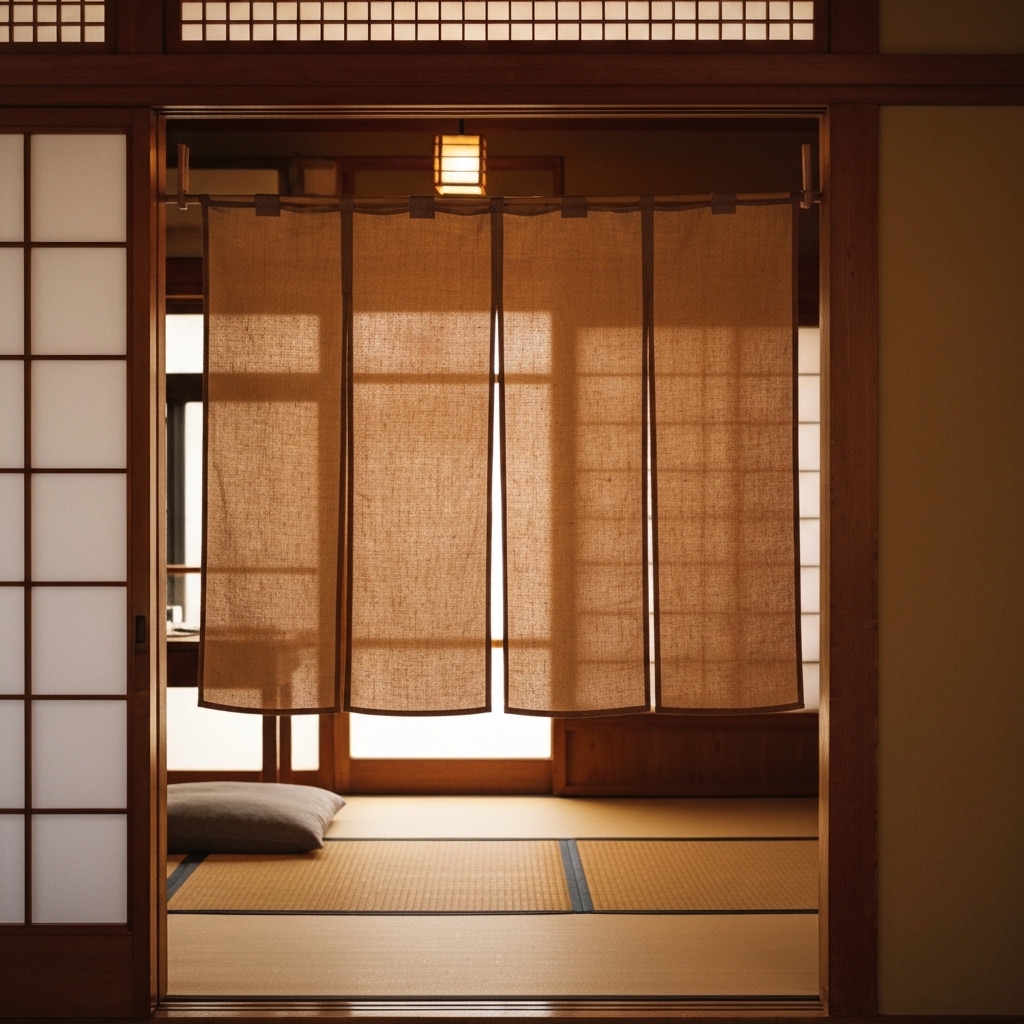
Semi-transparent fabrics, like sheer linen or loosely woven cotton, allow light to filter through softly, creating a warm and inviting ambiance. These are ideal for spaces where privacy is not a major concern but where a gentle separation is desired.
The level of light filtering also impacts the visibility of the design. Highly opaque fabrics will obscure any design elements unless they are bold and contrasting. Sheer fabrics allow the design to be visible from both sides, creating a more ethereal effect.
Expert Insight: When selecting the fabric and color for your 暖簾 (noren), consider not only the desired level of light filtering but also the orientation of the space. Noren facing east will receive direct sunlight in the morning, requiring more light-blocking fabric or darker colors than those facing north.
Sizing and Construction: Mastering the Art of Noren Creation
Determining the Correct Noren Width: Measuring Doorways and Openings
Achieving the right width for your noren is fundamental, influencing both aesthetics and functionality. In Japan, noren are not typically designed to completely block off an entrance, but rather to subtly define it, creating a sense of invitation and partial concealment. Therefore, the width you select is a balancing act.
The most common approach is to aim for a noren width that's approximately one-half to two-thirds of the doorway's total width. This allows for the characteristic split in the fabric, revealing a glimpse of what lies beyond. For example, if your doorway measures 85cm (approximately 33.5 inches), a noren with a width of 45cm to 60cm (about 17.7 to 23.6 inches) per panel is generally appropriate. This provides a pleasing visual balance without feeling overly restrictive.
Consider the visual impact you want to create. A narrower noren emphasizes the open space, drawing the eye inward. A wider noren, while still not covering the entire opening, offers a greater sense of separation and can be more effective at blocking drafts or sunlight. Japanese businesses sometimes use wider noren during colder months for this very reason.
For openings other than standard doorways – archways, windows, or even as room dividers – the same principle applies. Measure the opening and adjust the noren width accordingly. For a wider opening, multiple noren panels hung side-by-side can create a dramatic effect. Our noren size guide covers standard and custom dimensions in detail.
Choosing the Appropriate Noren Length: Considering Privacy and Aesthetics
The length of your noren is just as critical as the width and directly impacts privacy, light control, and overall aesthetic appeal. Traditionally, noren lengths vary greatly depending on their purpose. Shop noren (店舗暖簾, tenpo noren) are often shorter, allowing customers to easily see inside and inviting them to enter. Home noren, on the other hand, may be longer, providing more privacy for interior spaces.
For interior doorways, a noren that reaches approximately mid-thigh height is a common choice. This offers a good balance between privacy and ease of movement. A length of around 90cm (approximately 35 inches) is a good starting point for a standard doorway.
For kitchens or areas where you want to partially conceal clutter while maintaining airflow, a shorter noren is ideal. These can be as short as 45cm (approximately 18 inches), just enough to create a visual barrier without obstructing the view entirely. Imagine a small noren with a delicate sakura (桜) print hanging in a kitchen doorway, subtly obscuring the countertop while allowing delicious aromas to waft through the house.
When considering length, also factor in the height of those who will be passing through the noren. A noren that is too long can become a tripping hazard, especially in homes with children or elderly individuals. Always prioritize safety and ease of movement.
In situations where maximum privacy is desired, such as for a changing area or to screen off a storage space, a floor-length noren can be used. These are less common, but perfectly acceptable, especially in modern interiors where a touch of Japanese influence is desired.
Expert Insight: Before cutting your fabric, temporarily hang a test piece of similar material at the intended length. This allows you to visualize the final result and adjust the length accordingly. Don't forget to factor in the hem!
Hanging Options: Using Rods, Tension Poles, or Other Suspension Methods
The traditional method of hanging a noren involves a wooden rod (usually round and smooth). The noren itself features a sewn channel at the top, called the saotooshi (竿通し), through which the rod is inserted. This rod is then supported by brackets mounted on either side of the doorway or opening. While this method offers a classic look and secure hold, it requires drilling and permanent fixtures.
A more versatile and increasingly popular option is the tension rod, or tsuppari-bou (突っ張り棒). These rods use spring tension to hold themselves in place between the doorframe without the need for any drilling or screws. Tsuppari-bou are readily available in a variety of lengths and styles, making them suitable for almost any doorway. They are particularly convenient for renters or those who prefer a non-permanent solution. For step-by-step installation instructions, see our guide on how to hang a noren curtain.
Beyond traditional rods and tension poles, creative alternatives exist. For example, a length of decorative rope can be used to suspend the noren, adding a rustic or bohemian touch. The rope can be looped through metal grommets inserted at the top of the noren or simply tied around the fabric. This works particularly well with noren made from heavier fabrics like hemp (asa, 麻).
Another option is to use clip-on curtain rings. These rings attach to the top of the noren and then clip onto a curtain rod. This method allows for easy removal and adjustment of the noren. Consider using wooden or bamboo rings to maintain a natural aesthetic.
Finally, think about the environment. Is it humid or dry? For noren hung outside, ensuring the rod is rustproof and the hanging method is secure against wind is important. In areas with high humidity, consider materials that resist mildew.
Creating Custom Noren: DIY Sewing Instructions and Pattern Ideas
Creating your own noren is a rewarding project that allows for complete customization and personalization. The process is relatively straightforward, even for novice sewers.
First, decide on the size of your noren based on the measurements of your doorway and your desired aesthetic, as discussed earlier. Add seam allowances to all sides (typically 1-2cm or ½-1 inch).
Next, select your fabric and design. Consider the weight and drape of the fabric, as well as its suitability for your chosen design. Simple geometric patterns, stenciled designs, or freehand embroidery are all excellent choices for DIY noren. You can also create a patchwork noren using scraps of fabric in complementary colors and patterns.
Cut your fabric according to your measurements. If your noren will have a split in the middle, cut two separate panels.
Sew the side and bottom hems of each panel. A simple double-fold hem is sufficient. Press the hems for a clean finish.
To create the saotooshi (竿通し), fold over the top edge of each panel to create a channel wide enough to accommodate your chosen rod or pole. Sew along the bottom edge of the fold, leaving the top edge open. If using a tension rod, ensure the channel is wide enough to allow the rod to slide through easily.
If you are creating a split noren, sew the two panels together along the top edge, leaving a gap in the middle. The size of the gap will determine the depth of the split. Experiment with different depths to find the look you prefer.
For added durability and a professional finish, consider reinforcing the corners of the saotooshi with small triangles of fabric.
For pattern ideas, look to traditional Japanese motifs for inspiration. Simple stylized waves (nami, 波) or mountains can be easily recreated with basic sewing skills. Alternatively, consider abstract patterns or personal monograms. Stencils can be used to transfer complex designs onto the fabric before painting or embroidering. Remember, the beauty of a DIY noren lies in its unique character and personal touch.
Color Psychology and Noren Design Ideas: Using Color to Set the Mood
Understanding Color Meanings in Japanese Culture: Red, white, black, and other significant colors
Colors in Japan resonate with deep-seated cultural meanings, extending far beyond mere aesthetics. They are often intertwined with historical events, religious beliefs, and societal norms, influencing how people perceive and react to them. Utilizing these nuances effectively in noren design can subtly communicate intentions and create a desired atmosphere.
Red (赤, aka), for example, is a potent color. While universally associated with energy and passion, in Japan, it also symbolizes warding off evil and misfortune. This is why red is frequently seen on shrines (神社, jinja) and temples (寺, tera), and why red amulets are carried for protection. A noren featuring red, particularly a deep, vibrant shade of vermillion, could be used to attract customers to a business, conveying a sense of vitality and prosperity. However, overuse might be overwhelming; balance is key.
White (白, shiro) signifies purity, cleanliness, and new beginnings. It's commonly associated with Shinto rituals and used in traditional garments like wedding kimonos. Conversely, white can also represent mourning and death, stemming from the practice of wrapping the deceased in white. In a noren, white can create a sense of serenity and sophistication, especially when paired with natural materials like 麻 (asa – hemp). A predominantly white noren might be suitable for a tea room or a space seeking tranquility.
Black (黒, kuro) is a color of authority, strength, and formality. Historically, black was reserved for the upper classes, representing power and prestige. It's also associated with mystery and the unknown. In noren design, black can add a touch of elegance and sophistication, particularly when contrasted with lighter colors like gold or silver. A restaurant specializing in high-end cuisine might opt for a black noren to convey a sense of exclusivity.
Beyond these core colors, consider the implications of others:
-
Blue (青, ao): Represents calmness, stability, and trustworthiness. It's often used in corporate branding and conveys a sense of reliability. A light blue noren could be ideal for a business seeking to project trustworthiness, like a bank or a law firm.
-
Yellow (黄, ki): Symbolizes joy, optimism, and wealth. It's associated with the sun and is believed to attract good fortune. While yellow can be cheerful, it should be used sparingly, as too much can be perceived as gaudy. A small yellow accent in a noren can add a touch of brightness.
-
Green (緑, midori): Represents nature, growth, and harmony. It's associated with health and well-being, making it a popular choice for businesses focused on sustainability or organic products.
-
Purple (紫, murasaki): Historically a color of royalty and nobility, purple conveys luxury, refinement, and spirituality. It's less common than other colors but can add a touch of opulence to a noren design.
-
Gold (金, kin) and Silver (銀, gin): Represent wealth, prosperity, and sophistication. They are often used sparingly as accents to add a touch of luxury.
Creating Harmonious Color Palettes: Combining complementary and contrasting colors
Crafting a visually appealing noren relies heavily on the skillful combination of colors. Understanding the principles of color harmony is crucial for creating designs that are both aesthetically pleasing and culturally relevant. The interplay of complementary and contrasting colors can dramatically impact the overall mood and message conveyed.
Complementary colors are those that sit opposite each other on the color wheel. When paired together, they create a vibrant contrast and can make each other appear brighter. Some classic examples include:
- Red and Green: A bold and energetic combination, but needs careful consideration to avoid holiday associations. Consider muting the shades (e.g., brick red and olive green) for a more sophisticated effect.
- Blue and Orange: A balanced pairing, often used to create a sense of calm and warmth. A deep indigo blue (濃紺, noukon) noren with accents of burnt orange could be quite striking.
- Yellow and Purple: A luxurious and eye-catching combination. Think gold accents on a deep amethyst purple background.
Contrasting colors, on the other hand, are simply colors that are significantly different from each other. These don't necessarily have to be direct opposites on the color wheel. They create visual interest and can be used to highlight specific elements of the design. Consider these combinations:
- Black and White: A timeless and classic combination that conveys sophistication and elegance. A noren with a black background and white geometric patterns would be a striking choice for a modern establishment.
- Navy Blue and Beige: A subtle yet sophisticated combination that creates a sense of calm and stability.
- Gray and Yellow: A contemporary pairing that balances neutrality with brightness.
Expert Insight: When selecting a color palette, consider the surrounding environment. The colors of the building facade, interior decor, and surrounding landscape will all influence how the noren is perceived. Take photographs of the space and use color palette tools to experiment with different combinations before committing to a final design. Aim for a color palette consisting of no more than three to four dominant colors to prevent visual overload.
Using Color to Evoke Specific Emotions: Warm, cool, calming, and energetic tones
The emotional impact of color is undeniable. Consciously selecting colors based on their psychological associations allows you to curate a specific atmosphere around your establishment. Understanding how warm, cool, calming, and energetic tones influence perception is key to achieving your desired effect with noren design.
Warm tones (reds, oranges, yellows) are generally associated with energy, excitement, and passion. They can create a sense of warmth and welcome, making them ideal for businesses seeking to attract attention and generate a lively atmosphere. Imagine a ramen shop with a noren featuring vibrant shades of red and orange, beckoning customers inside on a chilly evening.
Cool tones (blues, greens, purples) evoke feelings of calmness, serenity, and tranquility. They are often used to create a sense of relaxation and stability, making them suitable for businesses seeking to project trustworthiness and professionalism. A spa or yoga studio might benefit from a noren in soothing shades of blue and green.
Calming tones tend to be muted and desaturated versions of the cool color families, or neutral tones. Soft pastels and earth tones create a sense of peace and harmony, making them perfect for spaces where relaxation is paramount.
Energetic tones are usually combinations of bright, saturated warm and cool hues, possibly incorporating high-contrast elements like black and white. These create a sense of dynamism and excitement. They are frequently used in environments meant to evoke strong feeling.
Considerations for Lighting: How color appears under different lighting conditions
The appearance of color is heavily influenced by lighting conditions. The same noren can look dramatically different under natural daylight, artificial light, or even the glow of streetlights at night. Therefore, it's crucial to consider the lighting environment when selecting colors for your noren design.
Natural daylight is generally the most accurate and flattering light source. However, the intensity and color temperature of daylight can vary significantly depending on the time of day, weather conditions, and geographical location. For example, morning light tends to be cooler and bluer, while afternoon light is warmer and more golden.
Artificial lighting can have a significant impact on color perception. Incandescent lights cast a warm, yellowish glow that can enhance warm colors like red and yellow while muting cool colors like blue and green. Fluorescent lights, on the other hand, tend to be cooler and bluer, which can make warm colors appear dull and cool colors appear more vibrant. LED lighting offers a wider range of color temperatures, allowing for greater control over the appearance of colors.
Consider the following lighting scenarios and their potential effects on noren colors:
-
Shop Entrance Under Direct Sunlight: Colors will appear brighter and more saturated. Light-colored noren may appear washed out, while dark colors may absorb heat and fade more quickly.
-
Restaurant Interior with Warm Incandescent Lighting: Red and yellow hues will be emphasized, creating a cozy and inviting atmosphere. Blue and green accents will appear more subdued.
-
Office Space with Cool Fluorescent Lighting: Blue and green colors will appear more vibrant, promoting a sense of focus and productivity. Warm colors may appear less appealing.
When possible, view fabric swatches under different lighting conditions before making a final decision. Take into account the time of day when the noren will be most prominently displayed, and adjust the color palette accordingly. For example, if the noren will primarily be seen at night under artificial lighting, opt for brighter, more saturated colors that will stand out against the darkness. Consider testing a small-scale prototype under the actual lighting conditions of your shopfront to ensure accurate rendering of your color scheme.
Maintaining and Caring for Your Noren: Cleaning and Storage Tips
A well-cared-for noren will last for years, becoming a cherished part of your home or business. Beyond their immediate aesthetic appeal, regular care preserves the integrity of the fabric and the vibrancy of the design. How you maintain your noren depends greatly on the material and the dyes used. This section details practices to keep your noren looking its best for generations to come. For a comprehensive deep-dive, see our noren care and washing guide.
Washing Instructions: Hand Washing vs. Machine Washing, and Appropriate Detergents
The method you choose to clean your noren significantly impacts its longevity. While convenience often leans towards machine washing, hand washing offers superior control and gentleness, particularly for delicate or traditionally dyed pieces.
-
Hand Washing: This is the preferred method for valuable or antique noren, or those crafted from delicate materials like silk (kinu) or fine hemp (asa).
- Fill a basin or tub with lukewarm water (around 30°C or 85°F). Avoid hot water, as it can cause shrinkage or fading.
- Use a pH-neutral detergent specifically designed for delicate fabrics. Avoid harsh chemicals, bleach, or optical brighteners. For indigo-dyed (aizome) noren, a specialized indigo care product is highly recommended to prevent dye bleed. A small amount of mild soap (e.g., baby shampoo) may suffice for lightly soiled noren.
- Gently agitate the noren in the water, avoiding vigorous rubbing or twisting. Focus on areas with visible dirt or stains.
- Rinse thoroughly with cool, clear water until all traces of soap are removed. This may require several rinses.
- Gently press out excess water. Do NOT wring the noren, as this can damage the fibers and distort the shape.
-
Machine Washing: If the care label permits machine washing, proceed with caution and only if you have a gentle cycle setting.
- Place the noren inside a mesh laundry bag to protect it from abrasion and snagging.
- Use a pH-neutral detergent formulated for delicate fabrics. Again, avoid bleach or optical brighteners.
- Select the delicate or hand-wash cycle with cold water (around 30°C or 85°F).
- Set the spin cycle to the lowest possible setting to minimize wrinkles and prevent damage.
- Remove the noren promptly after the cycle is complete.
Expert Insight: Always test a small, inconspicuous area of the noren with your chosen detergent before washing the entire piece. This helps to identify potential color bleeding or fabric damage before it becomes a major problem.
Drying Techniques: Air Drying, Tumble Drying, and Preventing Shrinkage
Proper drying is as vital as washing to preserve the form and color of your noren. High heat is a noren's enemy.
-
Air Drying: This is the safest and most recommended method for drying noren.
- Gently reshape the noren after washing.
- Hang the noren on a padded hanger or a clothesline in a well-ventilated area away from direct sunlight. Direct sunlight can cause fading, especially for naturally dyed fabrics.
- If hanging on a clothesline, distribute the weight evenly to prevent stretching or distortion. Consider using multiple clothespins to support heavier sections.
- Avoid using metal clothespins, as they can leave rust stains. Opt for plastic or wooden clothespins.
-
Tumble Drying: Tumble drying is generally NOT recommended for noren, especially those made from natural fibers or delicate fabrics. The high heat can cause significant shrinkage, damage the fibers, and fade the colors. However, if the care label specifically allows tumble drying, proceed with extreme caution.
- Place the noren in a mesh laundry bag.
- Use the lowest heat setting available (air dry or tumble dry low).
- Check the noren frequently during the drying cycle.
- Remove the noren while it is still slightly damp and hang it to air dry completely.
To minimize shrinkage, avoid high heat and excessive agitation during both washing and drying. Air drying is always the best option to maintain the integrity of the fabric and design.
Ironing and Wrinkle Removal: Choosing the Right Heat Settings for Different Fabrics
Ironing helps to restore the crispness and drape of your noren. However, the appropriate heat setting is crucial to prevent scorching or damaging the fabric.
-
General Guidelines: Always consult the care label for specific ironing instructions. If no instructions are available, start with the lowest heat setting and gradually increase it until the wrinkles begin to release.
-
Fabric-Specific Settings:
- Cotton (momen): Cotton noren can typically tolerate medium to high heat. Use a steam iron to help relax stubborn wrinkles. Iron on a padded ironing board to protect the fabric.
- Linen/Hemp (asa): Linen noren require a medium to high heat setting and plenty of steam. Iron while the fabric is still slightly damp.
- Silk (kinu): Silk noren are very delicate and require a low heat setting. Use a dry iron and place a pressing cloth between the iron and the fabric to prevent scorching.
- Synthetics (Polyester, etc.): Synthetic noren require a very low heat setting. High heat can melt or damage the fibers. It's recommended to use a pressing cloth, regardless.
-
Ironing Techniques:
- Iron the noren inside out to protect the printed design or embellishments.
- Use smooth, even strokes and avoid pressing down too hard on the fabric.
- For pleated or gathered noren, iron along the pleats or gathers to maintain their shape.
- If the noren has a delicate design, consider using a needle board or pressing cushion to avoid flattening the texture.
If you are unsure about the appropriate heat setting, it is always best to err on the side of caution and start with a lower temperature. You can always increase the heat gradually if needed.
Storing Noren Properly: Preventing Fading, Mold, and Insect Damage
Proper storage is key to preserving the condition of your noren when it is not in use. Protecting it from light, moisture, and pests will extend its life and prevent irreversible damage.
- Cleaning Before Storage: Before storing your noren, ensure it is thoroughly clean and dry. Any dirt, stains, or moisture can attract pests or lead to mold growth.
- Folding Techniques: Fold the noren neatly along its natural lines. Avoid folding it too tightly, as this can create permanent creases. For delicate fabrics like silk, consider rolling the noren instead of folding it. Rolling prevents sharp creases.
- Storage Containers: Store the noren in a breathable container made from natural materials like cotton or linen. Avoid plastic containers, as they can trap moisture and promote mold growth. Acid-free tissue paper can be used to wrap the noren for added protection.
- Storage Location: Choose a cool, dry, and dark storage location. Avoid areas with high humidity or direct sunlight. Basements, attics, and garages are generally not ideal storage locations due to temperature fluctuations and potential moisture issues. A closet or storage room in a climate-controlled environment is preferable.
- Pest Prevention: To protect your noren from insect damage, consider using natural moth repellents such as cedar chips, lavender sachets, or dried herbs. Avoid using mothballs, as they can damage the fabric and leave a lingering odor. Regularly inspect the stored noren for signs of pests or mold.
- Preventing Fading: Keep your stored noren away from direct light to prevent fading. Even indirect sunlight can cause colors to fade over time. If storing the noren in a container with a transparent lid, cover the lid with a dark cloth to block out light.
- Occasional Airing: Periodically remove the stored noren from its container and air it out in a well-ventilated area. This helps to prevent mustiness and keep the fabric fresh.
By following these storage tips, you can ensure that your noren remains in excellent condition for years to come, ready to adorn your space whenever you desire.