Bathroom Noren: Choosing the Perfect Japanese Curtain for Privacy
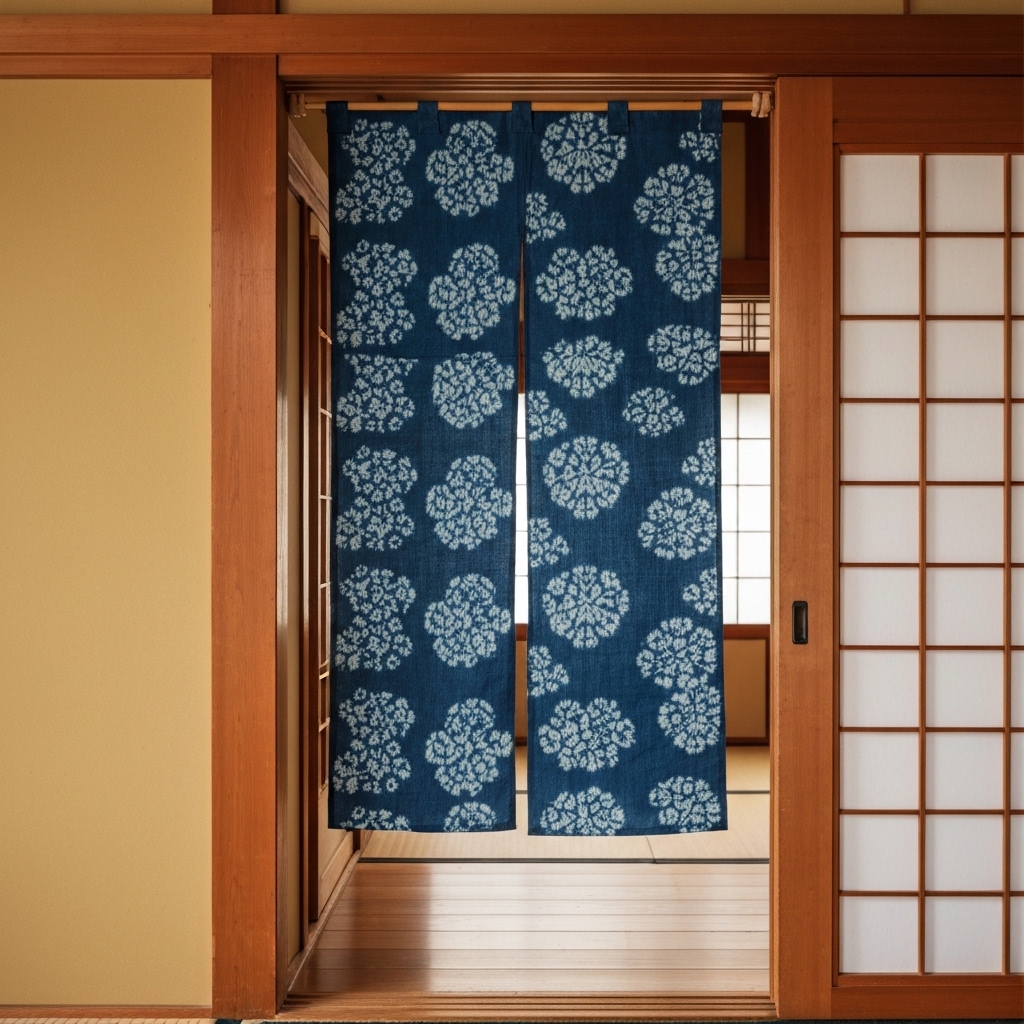
Understanding the Role of Noren for Bathroom Doorways
Ah, the humble noren (暖簾). More than just a fabric hanging, it’s a subtle statement, a whispered invitation, and a quiet guardian of privacy, all rolled into one. You might see them gracing the entrances of ramen shops or izakayas, but increasingly, noren are finding a welcome home in Japanese homes – and specifically, at the entrance to the bathroom. After living in Japan for over fifteen years, I've come to appreciate the noren's versatility and its deeply ingrained cultural significance, especially when used in this often-overlooked space. The bathroom isn't just a functional area; it's a personal sanctuary, and a noren can elevate that experience beautifully.
Privacy and Partitioning
In Japan, space is often at a premium, and bathrooms can sometimes open directly into living areas or hallways. This is where the noren truly shines. It acts as a soft visual barrier, offering a comforting sense of privacy without completely closing off the space. Unlike a solid door, a noren allows for a gentle blurring of the lines, suggesting "occupied" without feeling exclusionary.
The standard noren typically has a slit running vertically down the middle, or sometimes multiple slits, allowing for easy passage. The depth of this slit is crucial. A deeper slit offers more privacy as it requires a slight parting of the fabric to enter, making accidental glimpses less likely. For a bathroom doorway, many people prefer a noren with a slit that extends roughly two-thirds of the way down the fabric’s length. This provides a good balance between privacy and ease of entry. Think of it as offering a polite suggestion of privacy, rather than a firm declaration.
Consider the dimensions too. A typical doorway in Japan is around 80cm (approximately 31.5 inches) wide. Our noren size guide covers all standard and custom measurements in detail. A noren covering this space should ideally be slightly wider – perhaps 85-90cm (33.5-35.5 inches) – to ensure adequate coverage and a pleasing drape. The length (height) is also important. Ideally, the noren should hang a few inches off the floor. Too short, and it loses its aesthetic appeal; too long, and it becomes a tripping hazard, especially if you have small children or elderly family members.
Aesthetics and Decor Enhancement
The beauty of a noren lies in its ability to seamlessly blend into and enhance existing decor. From traditional indigo-dyed (藍染 – aizome) fabrics to modern, minimalist designs, there's a noren to suit every taste. In the context of a bathroom, consider the existing color palette and overall style. Does your bathroom lean towards a clean, modern aesthetic, or is it more traditionally Japanese with wood and natural materials?
A noren can act as a subtle accent piece, drawing the eye and adding a touch of personality. For a minimalist bathroom, consider a noren in a solid color, perhaps a muted grey or a calming beige, made from a natural fabric like linen or cotton. For a more traditional setting, an indigo-dyed noren with a simple geometric pattern or a subtle floral motif would be a beautiful addition. The possibilities are truly endless!
Don't be afraid to play with textures, too. A slightly textured fabric can add depth and visual interest. Consider incorporating noren with calligraphy (書道 – shodō) or traditional Japanese patterns like seigaiha (青海波 – a wave pattern symbolizing peace and good fortune) for a truly authentic touch. Ultimately, the goal is to create a harmonious and inviting space.
Ventilation and Light Control
While privacy and aesthetics are significant considerations, the functionality of a noren extends to ventilation and light control. Unlike a solid door that completely seals off a space, a noren allows for a degree of airflow. This is particularly beneficial in bathrooms, where moisture can accumulate, leading to mildew and unpleasant odors. The noren allows for gentle air circulation, helping to keep the space fresh and dry.
In terms of light control, a noren can filter sunlight, creating a softer, more diffused light within the bathroom. This can be particularly helpful in bathrooms with large windows that let in harsh morning light. A noren made from a slightly thicker fabric can effectively block out some of the direct sunlight, creating a more relaxing and tranquil atmosphere. Conversely, a noren made from a sheerer fabric will allow more light to pass through, brightening the space without compromising privacy.
Expert Insight: When choosing a noren for your bathroom, consider the weight of the fabric. Lighter fabrics will sway more easily with air currents, enhancing ventilation, but may offer less privacy. Heavier fabrics will provide more privacy and better light control but might restrict airflow slightly. Experiment to find the right balance for your specific needs and preferences!
Choosing the Right Fabric and Design for Your Bathroom Noren
Material Considerations
Choosing the right fabric for your bathroom noren (暖簾) is crucial for both aesthetics and practicality. Our noren materials guide provides a full comparison of cotton, linen, hemp, and synthetics. The humid environment of a Japanese bathroom, or ofuro (お風呂), demands careful consideration. While aesthetics play a role, durability and moisture resistance are paramount.
Cotton is a classic choice, offering a natural feel and a wide range of dye options. However, 100% cotton can be prone to shrinking and may take longer to dry, potentially leading to mold or mildew in a poorly ventilated bathroom. Look for thicker cotton weaves like帆布 (hanpu, canvas) which are more durable, or consider pre-shrunk cotton to minimize size changes after washing. A lighter weight cotton like 木綿 (momen) might be appropriate for purely decorative noren in powder rooms (化粧室) where shower or bathing humidity is not a factor.
Linen (麻, asa) is another natural fiber with excellent breathability and a slightly rougher texture that many find appealing. Linen dries faster than cotton and is naturally more resistant to bacteria and mold. A linen-cotton blend can be a good compromise, combining the best qualities of both fibers.
Polyester blends are becoming increasingly popular for bathroom noren due to their superior water resistance and durability. They resist shrinking, stretching, and fading, making them ideal for high-humidity environments. While some purists may prefer natural fibers, modern polyester blends can be surprisingly soft and offer excellent color retention. Consider the thread count and weave of the polyester fabric. A tightly woven, high-thread-count polyester will feel more luxurious and be less prone to water absorption.
Think about the weight of the fabric too. A lighter weight fabric will allow more light to pass through, while a heavier fabric will provide more privacy and a denser visual barrier. The best weight depends on the size of your opening and the level of concealment desired.
Design Motifs and Colors
The design of your bathroom noren is a chance to inject your personality and style into the space. Traditional Japanese motifs offer a timeless elegance, while modern designs can create a more contemporary feel.
Traditional designs often feature nature-inspired elements such as cherry blossoms (桜, sakura), bamboo (竹, take), cranes (鶴, tsuru), or waves (波, nami). These designs often evoke a sense of tranquility and harmony, perfectly suited to the relaxing atmosphere of a bathroom. Geometric patterns like asanoha (麻の葉, hemp leaf) or seigaiha (青海波, blue ocean waves) are also popular choices.
Modern designs can range from simple, minimalist patterns to bold, graphic prints. Consider using solid colors, abstract shapes, or even personalized designs to create a unique and eye-catching noren. The popularity of Scandi-Japanese or "Japandi" styles have brought even more clean and simplified designs to the noren market.
Color plays a significant role in the overall aesthetic. Calming colors like blues, greens, and whites are often associated with relaxation and cleanliness, making them ideal for a bathroom. Earthy tones like browns and beiges can create a warm and inviting atmosphere. Brighter colors like red or yellow can add a pop of energy and visual interest, but should be used sparingly to avoid overwhelming the space.
Consider the existing color scheme of your bathroom when choosing a noren design. A contrasting color can create a striking focal point, while a complementary color can create a harmonious and balanced look. Remember to think about how the color of the noren will appear when light shines through it. Lighter colors will allow more light to pass through, while darker colors will block more light.
Durability and Moisture Resistance
Beyond the base material, the finishing and construction of a noren significantly impact its durability and moisture resistance. Reinforced seams (特に上端, tokuni joutan - especially the top edge) are essential to prevent fraying and tearing, particularly in areas that experience frequent contact or stress.
The dye used to create the design should be colorfast and resistant to fading, even after repeated washing. Look for noren that are labeled as being dyed with reactive dyes (反応染料, hannou senryou) as these are known for their excellent color retention.
Consider the care instructions before making a purchase. A noren that is easy to wash and dry will be much more practical in the long run. Some noren may require hand washing or dry cleaning, while others can be machine washed and dried.
Expert Insight: To enhance the water resistance of a cotton or linen noren, consider using a fabric protector spray specifically designed for natural fibers. This will create a barrier that repels water and helps to prevent stains and mildew. Re-apply the spray after each washing for optimal protection. You can find these sprays at most home goods or craft stores.
Finally, remember that even the most durable noren will eventually show signs of wear and tear. Regular cleaning and proper care will help to extend its lifespan and keep it looking its best.
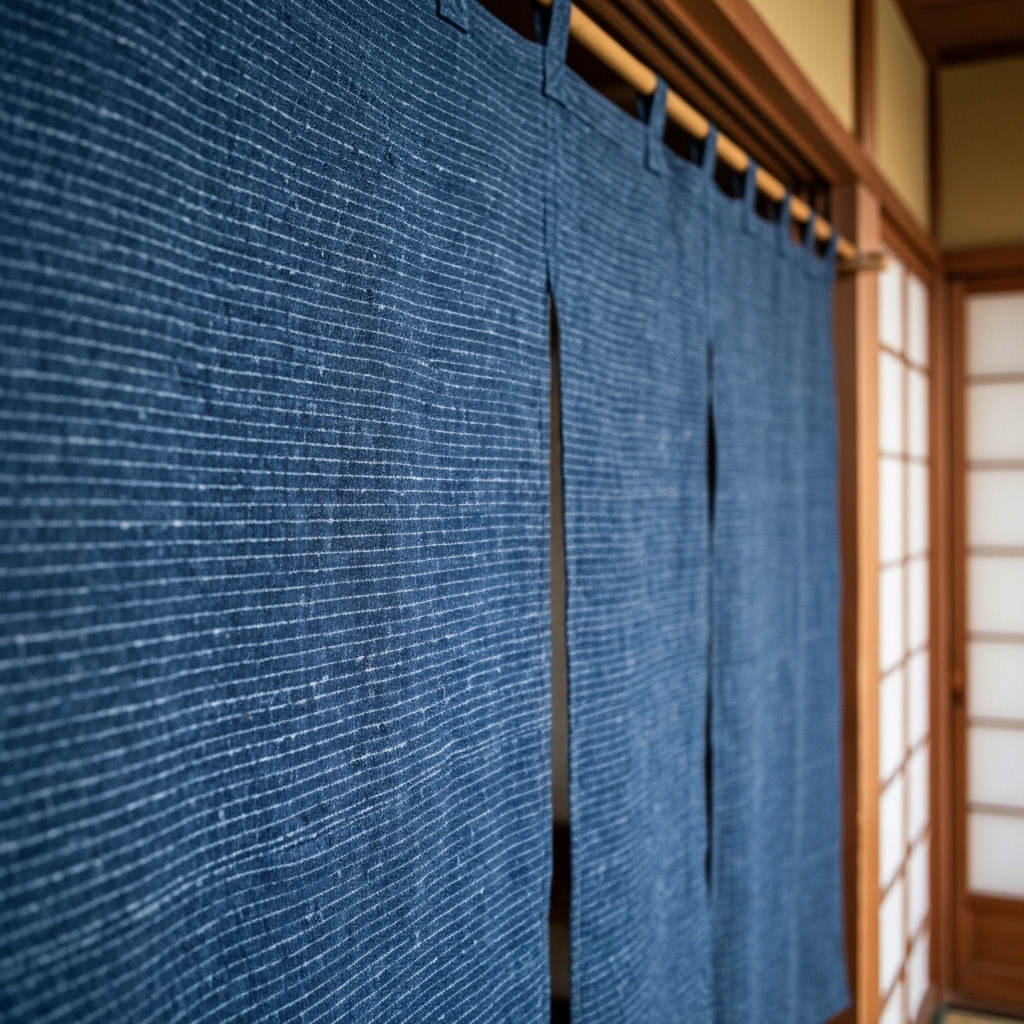
Noren for Bathroom Doorway: Installation and Hanging Options
Rod Types and Mounting Methods
Choosing the right rod (突っ張り棒, tsuppari-bou, tension rod) and mounting method is crucial for a secure and aesthetically pleasing noren installation in your bathroom doorway. For a complete installation walkthrough, see our guide on how to hang a noren curtain. While simple in concept, there are nuances that ensure your noren hangs properly and withstands the humidity of a bathroom environment.
Tension rods are the most common and convenient option. Look for rods specifically designed for bathrooms or wet environments; these often have rust-resistant coatings. Before purchasing, accurately measure the width of your doorway opening (内法寸法, uchinou sunpou), including the frame. Choose a rod that falls within that measurement range. Many tension rods are adjustable, allowing for slight variations. Always select a rod that is slightly LONGER than your doorway's width; compressing the spring-loaded mechanism creates the necessary tension for a secure hold. Avoid cheap, flimsy rods as they are prone to slipping, especially with heavier fabrics. A good-quality rod will have a thicker gauge metal and rubberized end grips for better adhesion.
Consider the weight of your noren when selecting a rod. Thicker, heavier materials like denim or densely woven cotton require a sturdier rod. Test the rod’s weight capacity before hanging your noren by applying gentle pressure to the center of the rod once it’s installed. If it bows significantly, you'll need a more robust option.
Alternatively, you can use a traditional wooden dowel (丸棒, marubou) suspended from small hooks (掛けフック, kake fukku) or brackets (ブラケット, buraketto). This method offers a more permanent and decorative solution. You can source wooden dowels from most hardware stores and stain or paint them to match your bathroom decor. Ensure the hooks or brackets are also rust-resistant. This approach requires drilling into the door frame, so consider the material and construction of your frame before proceeding. If your bathroom door frame is rental property (賃貸, chintai), drilling is likely prohibited — see our tips for noren in apartments and rentals for damage-free solutions.
For doorways with limited space or delicate frames, consider adhesive hooks. These hooks use strong adhesives to attach to the doorframe, eliminating the need for drilling. However, the weight capacity is lower than tension rods or screw-in hooks. Choose adhesive hooks specifically designed for bathroom use, as they are moisture-resistant. Thoroughly clean and dry the surface before applying the hooks.
Noren Length and Slit Placement
The length and slit placement of your bathroom noren greatly influence its functionality and aesthetic appeal. The goal is to achieve a balance between privacy, ventilation, and ease of access.
Traditionally, noren length is chosen to cover roughly two-thirds of the doorway's height. In modern homes, this guideline still holds true. Measure the height of your doorway opening (高さ, takasa). For a standard 200cm (approximately 79 inches) doorway, a noren length of around 130-150cm (approximately 51-59 inches) is generally recommended. This allows for adequate coverage while providing sufficient ventilation and visibility at the bottom.
The number and placement of slits (割れ, ware) also impact the noren’s functionality. A single central slit is the most common design, providing easy passage while maintaining a sense of enclosure. For wider doorways, consider two or three slits evenly spaced across the width. This allows for better distribution of the fabric and prevents the noren from bunching up in the middle.
The depth of the slits is another important consideration. Deeper slits offer greater freedom of movement but compromise privacy to some extent. Shallower slits provide more coverage but can be slightly less convenient to pass through. Experiment to find the right balance for your needs. A slit depth of around 30-40cm (approximately 12-16 inches) is a good starting point.
In traditional Japanese bathhouses (銭湯, sentou), noren often have deeper slits for ease of movement for bathers carrying towels and buckets. The deeper slits also allow for better airflow and visual cues indicating whether the bathhouse is open for men (男, otoko) or women (女, onna).
Adjusting for Doorway Height and Width
Not all doorways are created equal. Adjusting your noren installation to accommodate varying doorway heights and widths is essential for a polished look.
For doorways significantly shorter than the standard height, consider hemming (裾上げ, susoage) the bottom of the noren. This prevents the fabric from dragging on the floor and becoming a tripping hazard. Alternatively, you can raise the mounting height of the rod or dowel.
For taller doorways, you can either purchase a longer noren (オーダーメイド暖簾, oodaameido noren – custom-made noren) or add a decorative valance (上飾り, uwakazari) above the noren to fill the gap. Another option is to hang the noren slightly lower, allowing a small gap at the top of the doorway. This can create a visually appealing effect and improve ventilation.
For wider doorways, ensure that the noren is wide enough to provide adequate coverage. A noren that is too narrow will look stretched and awkward. If necessary, consider ordering a custom-made noren or using two noren side-by-side. When using two noren, overlap them slightly in the middle to prevent gaps and enhance privacy.
Expert Insight: Consider using a simple, lightweight chain (鎖, kusari) discreetly attached to the bottom of the noren. This adds weight and helps the noren hang straight, preventing it from being easily blown around by drafts. Choose a chain that is rust-resistant and blends in with the fabric color. The added weight also helps to minimise any unwanted billows from the noren obstructing the doorway.
Maintaining and Cleaning Your Bathroom Noren
A beautiful bathroom noren (暖簾) can truly elevate the atmosphere of your home, but keeping it clean and fresh, especially in a humid environment, requires a little knowledge and care. Our complete noren care and washing guide covers every fabric type in detail. Let's explore how to properly maintain your noren and keep it looking its best.
Washing Instructions for Different Fabrics
The washing method for your bathroom noren heavily depends on its material. While generic care labels can be helpful, they don't always capture the nuances needed for maintaining traditional Japanese textiles. The key is gentle treatment and avoiding harsh chemicals.
-
Cotton Noren: Cotton (綿, men) is generally quite forgiving, but can shrink with high heat. Ideally, hand-wash your cotton noren in cool water with a mild detergent. If you must use a washing machine, select the delicate cycle and place the noren inside a mesh laundry bag. To minimize shrinkage, air-dry your noren, preferably out of direct sunlight. A light ironing while slightly damp can help restore its shape. In Japanese homes, it’s common practice to briefly tumble cotton noren on low only to soften the fabric after air drying, but never as the primary drying method.
-
Linen Noren: Linen (麻, asa) shares some similarities with cotton, but is more prone to wrinkling. Hand-washing is highly recommended. If machine washing, use the gentlest cycle and a cold water temperature. Linen benefits from line drying – the breeze helps to soften the fabric. To prevent excessive wrinkling, remove the noren from the line while still slightly damp and iron on a low setting, using a pressing cloth. Many older Japanese households still use a kote (鏝), a traditional flat iron heated on a charcoal fire, for linen; while this requires skill, it imparts a unique, gentle press.
-
Polyester Blend Noren: Polyester (ポリエステル, poriesuteru) is generally the easiest to care for. Most polyester blend noren can be machine washed on a delicate cycle and tumble dried on low. However, high heat can damage the fibers and cause static cling. Consider adding a dryer sheet to reduce static.
-
Silk or Rayon Noren: These delicate fabrics are rarely used for bathroom noren due to their poor water resistance and difficulty to clean. If you have a silk or rayon noren, professional dry cleaning is strongly recommended. Even hand-washing carries a significant risk of damage.
When washing your noren, avoid using bleach or harsh detergents, which can fade the colors and weaken the fabric. A pH-neutral laundry soap is your best bet. For hand-washing, fill a basin or tub with cool water, add a small amount of detergent, and gently agitate the water. Submerge the noren and let it soak for about 15-20 minutes. Rinse thoroughly with cool water until no soap residue remains.
Stain Removal Techniques
Bathroom noren can be susceptible to various stains, from water spots to mold. Acting quickly is essential for successful stain removal.
-
Water Spots: Light water spots often disappear on their own as the fabric dries. However, for more noticeable spots, gently blot the area with a clean, damp cloth. Avoid rubbing, which can spread the stain.
-
Mold Stains: Mold can be a common problem in humid bathrooms. For minor mold stains, try creating a solution of equal parts white vinegar and water. Gently dab the solution onto the stain with a soft cloth and let it sit for about 30 minutes. Then, rinse thoroughly with cool water and air dry. For stubborn mold stains, you may need to use a commercial mold remover specifically designed for fabrics, but always test it on an inconspicuous area first.
-
Soap Scum: Soap scum can build up over time, especially on the lower portion of the noren. A gentle scrubbing with a soft brush and a solution of mild dish soap and water can help remove soap scum. Rinse thoroughly and air dry.
-
General Stains: For general stains, try using a mixture of baking soda and water to create a paste. Apply the paste to the stain, let it dry completely, and then brush it off. This works surprisingly well for light stains.
Remember to always test any stain removal technique on a small, hidden area of the noren first to ensure it doesn't damage the fabric or color.
Preventing Mildew and Odors
Preventing mildew and odors is crucial for maintaining a fresh and hygienic bathroom noren.
-
Ventilation: Ensure proper ventilation in your bathroom. Open windows or use a ventilation fan after showering to reduce humidity. This is perhaps the most important factor.
-
Regular Washing: Wash your noren regularly, even if it doesn't appear dirty. This helps to remove any lingering moisture, soap scum, or dirt that can contribute to mildew and odors. Consider washing it every 2-4 weeks, depending on bathroom usage.
-
Air Drying: Always air-dry your noren completely after washing. Avoid folding or storing it while damp, as this can create a breeding ground for mildew.
-
Direct Sunlight (Occasionally): While prolonged exposure to direct sunlight can fade colors, an occasional airing out in the sun can help to kill bacteria and freshen the fabric. Limit this to a few hours at a time and avoid doing it too frequently.
-
Dehumidifiers: In especially humid environments, consider using a dehumidifier to reduce moisture levels in your bathroom.
-
Fabric Sprays: Fabric freshening sprays, especially those containing antibacterial agents, can help to control odors. Look for natural, plant-based sprays to avoid harsh chemicals.
-
Use of Kusunoki (樟): In traditional Japanese homes, small blocks of kusunoki (camphor wood, 樟) are often placed near textiles to repel insects and absorb moisture. While perhaps not essential, it's a time-honored method.
Expert Insight: Consider using a noren treated with a water-repellent finish (撥水加工, hassui kako). While not entirely waterproof, this treatment helps to prevent water from soaking into the fabric, reducing the risk of mildew and stains. Reapply the water repellent finish periodically as needed, following the manufacturer's instructions.
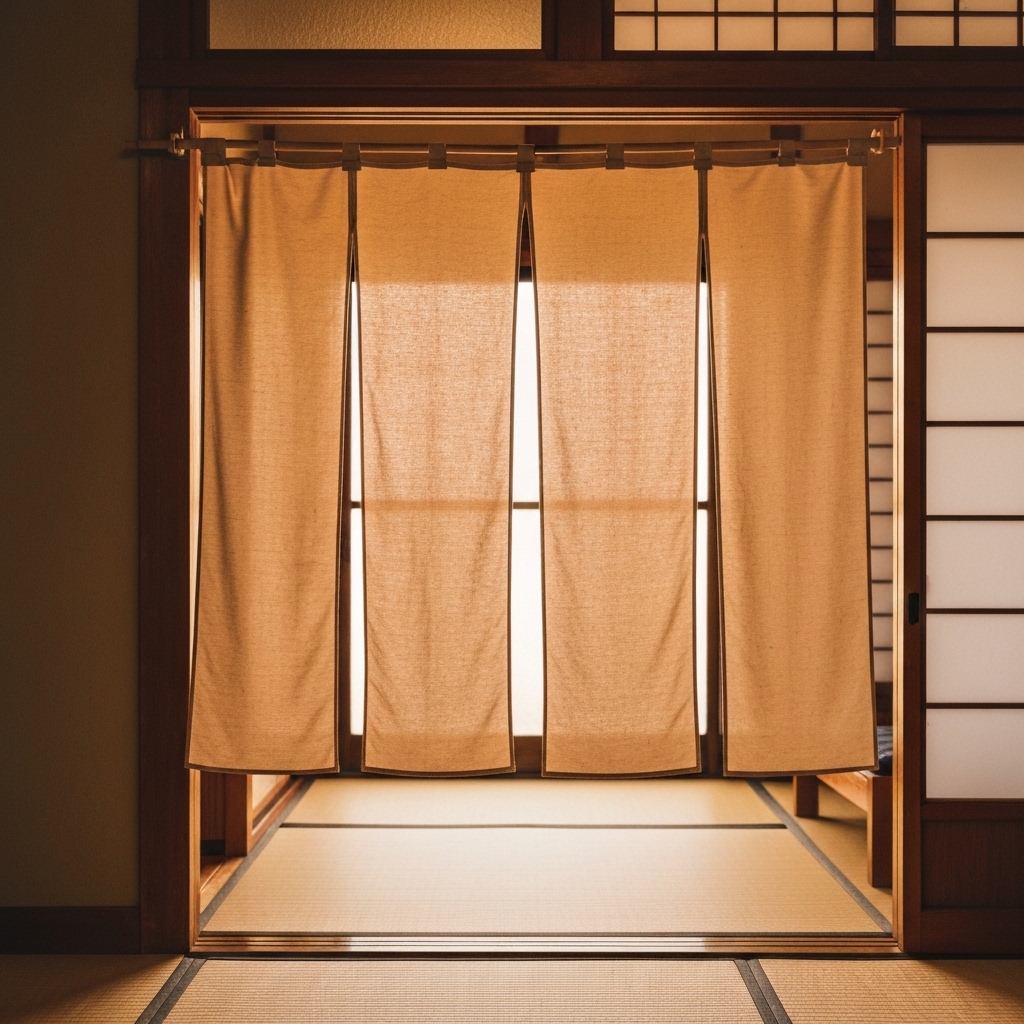
Beyond the Traditional: Creative Uses of Noren in Bathrooms
While traditionally used at the entrance to a room, or shop, the adaptable nature of noren allows them to transcend their expected role and become surprisingly versatile design elements within the Japanese bathroom. Let's explore some innovative ways to incorporate noren beyond the doorway.
Noren as Shower Curtains or Tub Enclosures
Imagine stepping into your ofuro (お風呂, bath) enveloped not by cold plastic, but by the soft texture and gentle sway of a noren. While not as water-tight as a standard shower curtain, a carefully chosen noren can provide a unique and aesthetically pleasing alternative. The key here is strategic layering and material selection.
Instead of a single noren, consider using two or three overlapping panels. This provides greater coverage and minimizes splashing. Choose a water-resistant material like a thick, treated linen or a tightly woven polyester blend (again, avoid repeating details about the materials; focus on the application). The layered effect also creates a richer, more luxurious visual texture.
For a true Japanese onsen (温泉, hot spring) vibe, pair a noren shower curtain with a hinoki wood stool and bucket. The natural scent of the wood complements the textile perfectly.
However, it is IMPERATIVE that the floor is properly drained and any excess water is promptly cleaned to prevent water damage. This application requires careful consideration of your bathroom's layout and ventilation. A noren used in this manner is less about complete water containment and more about creating a specific atmosphere and a softened, visually appealing barrier. Frequent washing and drying are essential to prevent mildew; have a rotation system with multiple noren on hand.
Using Noren to Hide Storage or Laundry Areas
Japanese homes, particularly older ones, often feature open storage solutions. In the bathroom, this might include exposed shelving for towels and toiletries, or a designated space for laundry hampers. A noren provides a stylish and practical way to conceal these areas, maintaining a sense of order and calm within the space.
Instead of a traditional doorway application, suspend the noren from a tension rod placed within an alcove or across the front of open shelving. A slightly longer noren that pools on the floor can create a more dramatic effect, especially when hiding larger items.
For laundry areas, consider a noren with a playful design or even a simple kanji character representing “clean” (清, sei) or "laundry" (洗濯, sentaku). This adds a touch of personality while clearly designating the area's function.
When concealing storage, carefully consider the color and pattern of the noren. A subtle, neutral design will blend seamlessly into the background, while a bolder choice can become a focal point. The key is to create a cohesive and visually appealing space, even when concealing functional elements.
Expert Insight: Consider attaching small weights to the bottom corners of the noren when used to conceal storage. This will help to keep the fabric taut and prevent it from billowing outwards, maintaining a clean and tidy appearance. Small fishing weights or even decorative beads can work well for this purpose.
Incorporating Lighting Behind the Noren
One of the most striking and underutilized ways to enhance a bathroom noren is by incorporating lighting behind it. This creates a soft, ambient glow that transforms the fabric into a luminous screen, adding depth and visual interest to the space.
The simplest approach is to place a string of LED lights behind the noren. Opt for warm white lights to create a cozy and inviting atmosphere. Experiment with different densities of lighting; a sparser arrangement creates subtle highlights, while a denser arrangement produces a more dramatic, glowing effect.
For a more permanent solution, consider installing a recessed light fixture behind the noren. This provides a consistent and even source of illumination. Choose a fixture with a dimmer switch to adjust the brightness according to your mood.
The type of fabric used for the noren will significantly impact the final effect. Sheer fabrics will allow more light to pass through, creating a brighter and more diffused glow. Thicker fabrics will create a more subtle and textured effect. Experiment with different combinations to find the perfect balance.
Lighting behind a noren can also be used to highlight specific design elements. For example, a noren with a delicate floral pattern will come alive when backlit, showcasing the intricate details of the design. This simple technique can transform a standard noren into a stunning work of art.
Troubleshooting Common Issues with Bathroom Noren
Even with careful selection and installation, you might encounter a few hiccups with your bathroom noren over time. Here's how to address some of the common problems.
Sagging or Uneven Hanging
Sagging, particularly in the middle, can diminish the elegant look of your noren. This is often due to the weight of the fabric, especially when damp, or a poorly chosen tension rod. One common misconception is that a perfectly straight rod will solve the problem; however, a slightly bowed rod can actually increase tension in the center and prevent sagging.
First, ensure your tension rod is correctly sized. If the rod is too long for the space, it might not provide enough pressure against the walls. Ideally, the rod should be about 2-3cm (roughly 1 inch) longer than the doorway width when fully extended, allowing for ample compression. For heavier fabrics, consider a rod specifically designed for heavier loads, often featuring a larger diameter or a textured grip surface.
Another cause of uneven hanging might be related to the noren-wake (暖簾分け), or the slit placement. If the slits are too deep or unevenly spaced, the fabric can pull downwards in certain areas. While deep slits are common in izakaya (居酒屋, Japanese pub) noren, bathroom noren often benefit from shallower slits, around 15-20cm (6-8 inches), to maintain a more uniform appearance. If your noren has uneven slits, a simple stitch along the bottom edge can help create a more balanced hemline.
Finally, examine the fabric itself. Is it naturally prone to stretching? Linen, while beautiful, can be susceptible to this. If you're using linen, consider pre-shrinking the fabric before hanging to minimize future stretching. Alternatively, reinforcing the top hem with a heavier interfacing or a double layer of fabric can help distribute the weight and prevent sagging. Expert Insight: For an extra touch of Japanese ingenuity, consider adding small, decorative weights to the bottom corners of your noren. These can be anything from smooth river stones wrapped in fabric to small, handcrafted ceramic beads. This subtle addition not only minimizes swaying but also helps maintain a crisp, clean drape.
Fabric Fading or Discoloration
Fading, particularly on noren exposed to sunlight, is an unfortunately common occurrence. Dyes, even high-quality ones, are susceptible to UV damage. To mitigate this, consider applying a UV protectant spray specifically designed for fabrics. These sprays can provide a protective barrier against the sun's harmful rays, slowing down the fading process. Reapply the spray every few months, following the product's instructions.
Discoloration, on the other hand, is often caused by humidity and mildew. Even with good ventilation, bathrooms are prone to moisture build-up. Regularly inspecting your noren for signs of mildew, such as dark spots or a musty odor, is crucial. If you spot mildew, immediately treat it with a diluted solution of white vinegar and water.
Another potential cause of discoloration is chemical exposure. Cleaning products, hairsprays, and even certain soaps can leave residue on the fabric, leading to discoloration over time. To prevent this, avoid spraying these products directly near the noren. If you do accidentally spill something on the fabric, blot it immediately with a clean, damp cloth.
Dealing with Humidity and Moisture Build-up
Even with moisture-resistant fabrics, consistent exposure to humidity can pose a challenge. Beyond regular washing and mildew prevention, there are several proactive steps you can take.
First, ensure adequate ventilation in your bathroom. Open windows or use an exhaust fan during and after showers or baths to minimize moisture levels. Placing a dehumidifier near the bathroom doorway can also help significantly.
Consider the placement of your noren. If it’s directly exposed to shower spray, even waterproof fabrics might eventually suffer damage. A slight adjustment to the positioning, even a few centimeters (an inch or two), can make a difference. You can also add a layer of waterproof liner on the inside to minimize direct contact with water.
Finally, incorporate moisture-absorbing materials into your bathroom decor. Bamboo mats, diatomaceous earth bath mats, and even certain types of houseplants can help reduce humidity levels. These additions not only protect your noren but also create a more comfortable and healthy bathroom environment. Remember that choosing breathable materials like cotton or linen, despite their potential susceptibility to mold, actually helps with ventilation and drying when they do get wet. A quick spot-drying of the noren after showering is an easy way to keep it looking its best.