Short Noren Curtains: Style & Function in Small Spaces
Defining and Distinguishing Short Noren Curtains
What Makes a Noren 'Short': Height Guidelines
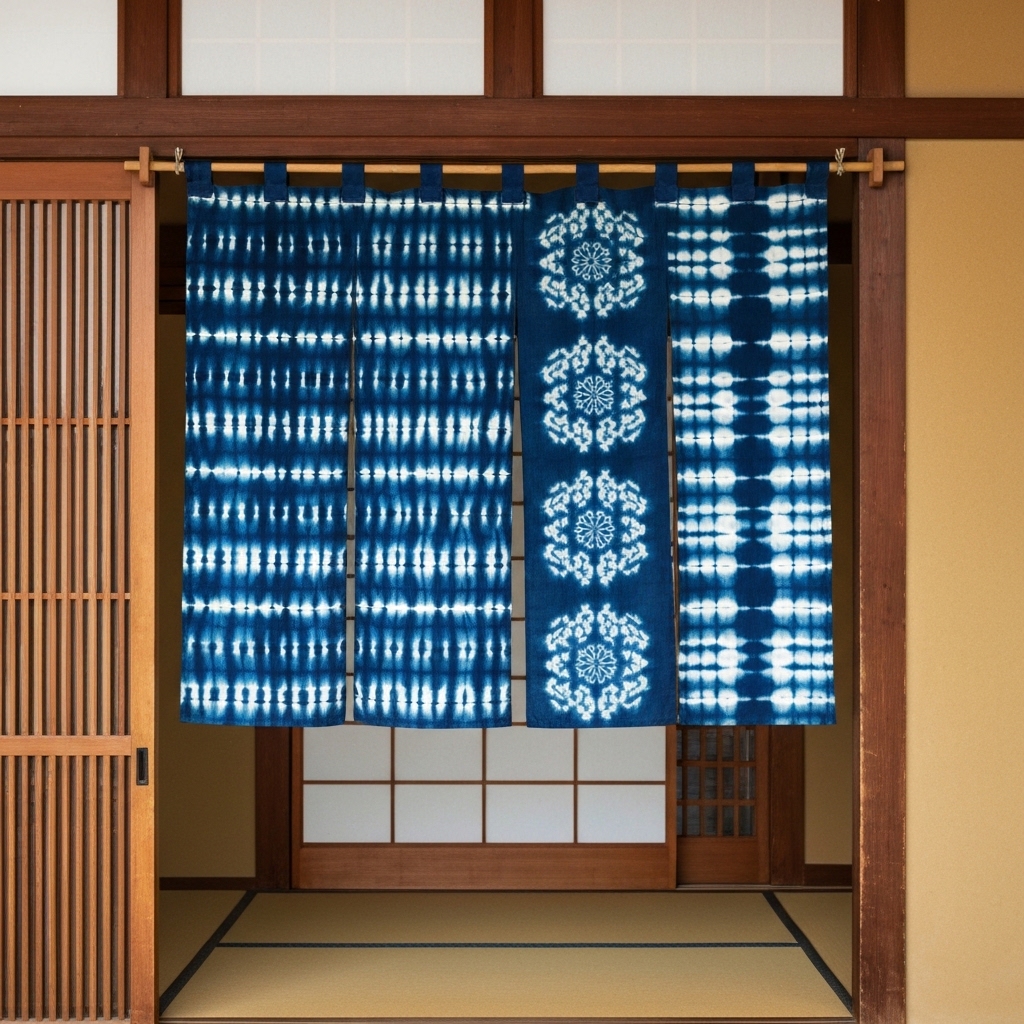
The 暖簾 (noren) is a ubiquitous sight in Japan, gracing the entrances of shops, restaurants, and even homes. But not all noren are created equal. While a full-length noren commands attention, reaching nearly to the floor, the 'short noren' (what we would simply call noren in Japan, without necessarily needing to specify that it's short) offers a more subtle demarcation, a gentle invitation.
So, what exactly defines a "short" noren? There's no official decree, but generally, a noren is considered short if its height is less than 90cm (approximately 35 inches). More commonly, you'll find them in the range of 45cm to 75cm (roughly 18 to 30 inches) tall. Anything significantly taller begins to blur the line with full-length noren. For a complete breakdown of standard dimensions, see our noren size guide.
The width, however, is more variable. It’s dictated by the doorway or opening it's intended to cover. You might find a short noren that's quite wide to fully obscure a pantry opening, or a narrow one designed simply to add a touch of visual interest above a doorway. The classic split design (usually a single split, but sometimes multiple) is standard, facilitating easy passage while still providing a sense of enclosure. These splits, or cuts, are called 割れ (ware) in Japanese, and they are almost always present.
Purpose and Placement: Where Short Noren Curtains Excel
Short noren excel in situations where complete privacy isn't a requirement, but a visual break or indication of entry is desired. Their most common use is above doorways – inside homes, in restaurants marking the entrance to the kitchen, or even between rooms. Think of a small izakaya (居酒屋) – a Japanese pub – with its short noren fluttering gently, partially obscuring the bustle of the kitchen.
In homes, short noren are often used to screen open shelving, pantries, or even laundry areas. They offer a way to conceal clutter without completely closing off the space. They are also frequently found in Japanese bathrooms, hung across the entrance to the changing area or over the bathtub itself for a decorative touch.
Consider these common applications:
- Kitchens: Marking the entrance, adding a touch of rustic charm. See our best noren for kitchen guide for more ideas.
- Pantries/Storage: Concealing contents while allowing ventilation.
- Bathrooms: Decorating and providing a slight visual barrier.
- Entryways: Small apartments might use them as a subtle room divider.
- Businesses: Restaurants, shops, and traditional businesses use noren as a symbol of identity.
The material used often reflects the intended purpose. You'll find durable 綿 (momen, cotton) noren in kitchens and restaurants, while lighter 麻 (asa, hemp/linen) might be preferred for decorative use in living areas.
Expert Insight: When choosing a short noren, measure the width of the space you intend to cover, and add a little extra (5-10cm/2-4 inches) for a gentle gather when hung. This creates a more visually appealing, softer look than a tightly stretched noren.
Contrasting Short Noren with Full-Length Noren & Other Fabric Dividers
The key difference between a short noren and a full-length noren, beyond the obvious height difference, lies in their purpose and the atmosphere they create. A full-length noren acts as a more definitive barrier, often signaling the entrance to a business or signifying a complete separation of spaces. It commands attention and can be quite imposing.
In contrast, a short noren is more subtle and inviting. It suggests a boundary without completely blocking the view or passage. It's less about privacy and more about creating a visual distinction and adding a touch of Japanese aesthetics to a space.
Compared to other fabric dividers, such as curtains or tapestries, noren possess a distinct cultural significance. They are intrinsically linked to Japanese tradition and are far more than just a piece of cloth. The designs often carry symbolic meaning, reflecting the business's name, crest, or even seasonal themes. Think of a stunning 藍染め (aizome, indigo dyed) noren adorning a traditional tea house, versus a set of mass-produced curtains. The noren speaks volumes about the establishment's history and commitment to Japanese culture.
Unlike curtains that often use rings or hooks, noren are typically hung using a rod pocket (竿通し, saotooshi) at the top. This simple design adds to their understated elegance. Often, the rod used is a simple tension rod (突っ張り棒, tsuppari-bou), making installation quick and easy — see our how to hang a noren curtain guide for step-by-step instructions.
Finally, unlike heavier room dividers, the light and airy nature of noren, especially those made from 麻 (asa, hemp/linen), allows for better ventilation and light penetration. This contributes to their suitability for a wide range of spaces, from bustling restaurants to quiet homes.
Materials and Fabric Choices for Short Noren Curtains
Traditional Fabrics: Cotton, Linen, Hemp, and Their Properties
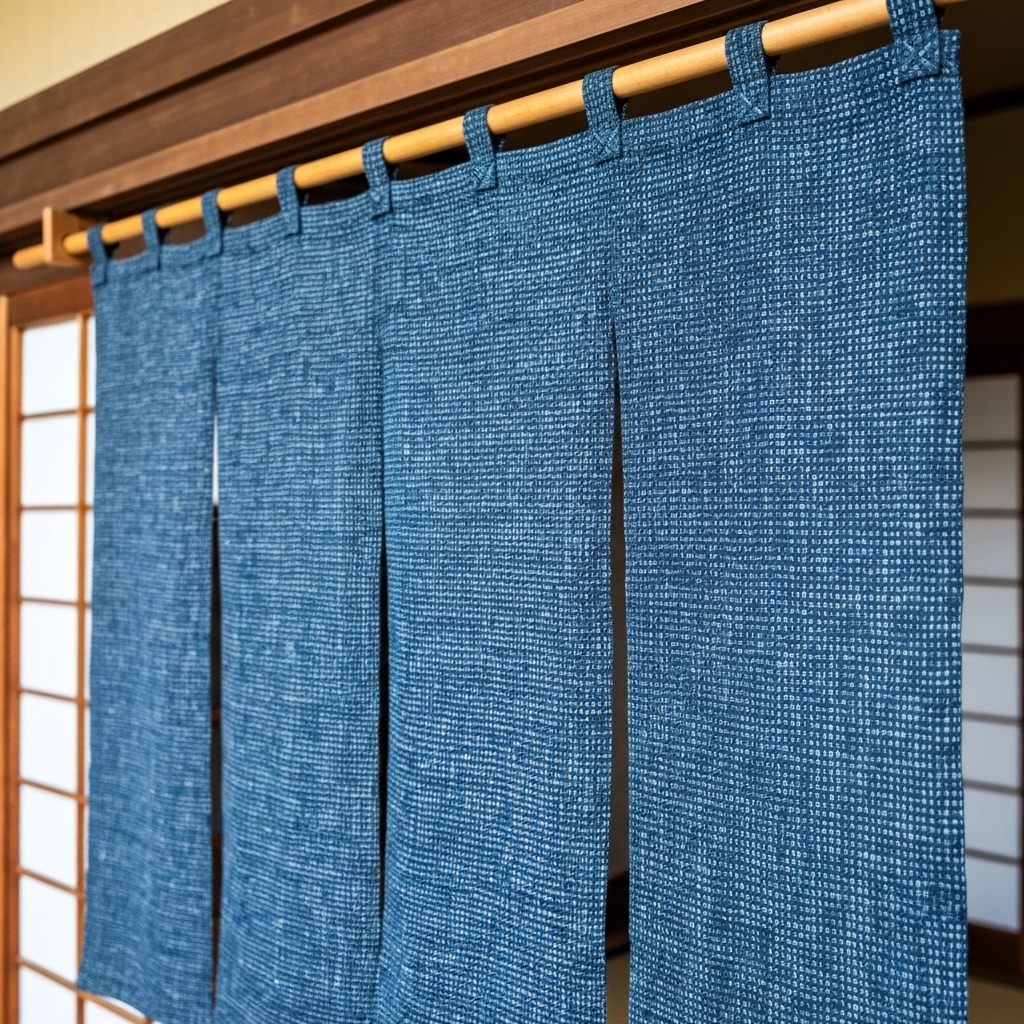
Selecting the right material for a short 暖簾 (noren) is paramount, influencing not only its aesthetic appeal but also its functionality and lifespan. Historically, 綿 (men or momen, cotton fabric) has been a mainstay. Think of older shops in traditional shopping streets, their noren worn soft from use, often dyed with simple indigo patterns. The absorbency of cotton makes it ideal for locations where moisture may be present, though it is more susceptible to fading over extended exposure to direct sunlight. A heavier cotton offers enhanced privacy compared to lighter weaves. The weight is generally described in grams per square meter (GSM) in Japan, with heavier weaves around 200-300 GSM giving a more substantial feel.
麻 (asa), encompassing both linen and hemp, presents a different set of advantages. Linen, in particular, boasts a beautiful drape and a slightly rough texture that adds a touch of rustic elegance. Imagine a small soba shop, its linen noren gently swaying in the breeze, hinting at the simple, wholesome food within. Hemp, while similar, is generally coarser and more robust, known for its incredible strength and durability. A blend of cotton and linen is also common. In such a blend, the cotton contributes to the softness of the touch while linen lends its durability to the overall fabric.
The choice between these traditional materials often comes down to the intended environment and desired aesthetic.
Modern Fabric Options: Polyester Blends and Their Durability
While tradition holds significant weight, modern synthetic fabrics like polyester blends are increasingly popular, especially where durability and ease of maintenance are key considerations. Polyester blends are often chosen for their resistance to wrinkling and shrinking, making them a practical option for high-traffic areas. Many modern homes incorporate these fabrics into their noren curtains in bathrooms or kitchens because of their resistance to water stains.
These blends can mimic the look and feel of natural fibers, sometimes incorporating a percentage of cotton or linen to enhance the tactile experience. The primary benefit of polyester is its superior resistance to fading from sunlight, making it suitable for locations that receive intense direct light. This is particularly beneficial for preserving vibrant, dyed colors over time.
The resilience of polyester blends also makes them a favorable choice for commercial spaces, where noren curtains may undergo frequent washing and handling.
Color Fastness and Light Transmission Considerations
The color of a noren is a crucial element of its design, conveying messages of welcome, branding, or simply adding a decorative touch. However, not all fabrics and dyes are created equal when it comes to color fastness – the ability to resist fading or bleeding when exposed to light, washing, or other environmental factors.
Natural dyes, while aesthetically pleasing, tend to be more susceptible to fading than synthetic dyes. This doesn’t necessarily detract from their charm; in fact, the subtle patina that develops over time can add character and authenticity to a noren. 藍染め (aizome), indigo dyeing, is one such example, celebrated for its natural variations and the way it subtly changes with age.
Light transmission is another factor. Darker fabrics, or those with denser weaves, will naturally block more light than lighter, more open weaves. This can be particularly important for entryways or other areas where you want to control the amount of natural light entering a space — short noren can even work well as a window treatment for this reason. The thickness and type of fabric play roles in determining the degree of light transmission. The light transmission can also affect the perceived color. For example, a thin, cotton material may make the color look lighter when backlit than a thick, opaque polyester.
Expert Insight: Before purchasing a noren, consider the direction and intensity of sunlight it will receive. If exposed to strong, direct sun, opt for fabrics known for their color fastness or consider applying a UV protectant spray to help preserve the vibrancy of the colors.
Design and Customization of Your Short Noren Curtain
Exploring Traditional Japanese Motifs and Symbolism
The beauty of a short noren (暖簾) lies not only in its functionality but also in its potential to convey meaning through traditional Japanese motifs. Beyond purely decorative appeal, certain patterns have deep cultural roots and symbolic significance, adding a layer of richness to your home decor. Consider, for instance, the ubiquitous wave pattern, seigaiha (青海波), representing unending waves of good fortune and resilience. Its gentle, rhythmic curves bring a sense of tranquility and harmony.
Another popular choice is the kiku (菊), or chrysanthemum. In Japan, the chrysanthemum is a symbol of longevity and rejuvenation, often associated with the imperial family. Including this floral motif in your noren design subtly infuses your space with wishes for health and prosperity.
For businesses, imagery depicting carp, or koi (鯉), swimming upstream is a powerful symbol of perseverance and success. It’s believed to bring good luck in business ventures and career advancement. Consider this design element for the entrance to a home office or studio.
Many traditional patterns are geometric in nature. For example, the ichimatsu (市松) checkerboard pattern is a timeless motif representing prosperity, its simple yet structured design conveying stability and order. Often appearing in indigo and white, ichimatsu is a versatile choice that complements a wide range of interior styles.
When selecting a traditional motif, take time to understand its meaning and consider how it resonates with your personal values or the intended purpose of the space. For more pattern and placement inspiration, explore our noren design ideas.
Modern Designs and Personalization Options
While traditional motifs hold enduring appeal, short noren are also an excellent canvas for modern designs and personalization. This allows you to create a truly unique piece that reflects your individual style and preferences.
Moving beyond strict adherence to established patterns, consider abstract interpretations of natural elements, such as simplified botanical prints or geometric representations of landscapes. Explore bold color palettes that depart from the traditional indigo and earth tones, embracing vibrant hues that complement your existing decor.
Personalization options are virtually limitless. For home use, incorporate family crests, monograms, or even digitally printed photographs to create a sentimental and highly individual noren. Businesses can utilize noren to showcase their logos, slogans, or signature artwork.
Consider using contrasting textures and layering techniques to add depth and visual interest to your design. Appliqué, embroidery, or fabric paint can be used to embellish a plain noren with intricate details and personalized touches.
Expert Insight: Before committing to a final design, create a digital mockup or a small-scale prototype to visualize how the pattern, colors, and textures will interact in a real-world setting. This allows you to make necessary adjustments before investing time and resources into the full-scale project.
Dyeing Techniques: Katazome, Indigo, and Digital Printing
While the previous sections touched upon the artistic aspects, understanding the available dyeing techniques expands your creative possibilities.
Katazome (型染め) is a traditional stencil dyeing method used to create intricate patterns. A rice paste resist is applied to the fabric through a paper stencil, and then the fabric is dyed. Once the dye has set, the paste is washed away, revealing the undyed pattern. The intricacy of the stencils allows for very detailed and precise designs. This technique often uses natural dyes.
Indigo dyeing, while having numerous methods, can be explored beyond the traditional aizome (藍染め). Different shades and patterns can be achieved using various resist techniques alongside the indigo dye. For example, itajime shibori (板締め絞り), a shaped-resist dyeing method, utilizes shaped boards to compress the fabric, preventing dye penetration in those areas. This is one of many ways to introduce pattern using indigo.
Digital printing provides a cost-effective and versatile option for creating highly detailed and personalized noren. Digital printing allows for photographic images, complex gradients, and a wide range of colors to be easily reproduced on fabric. It also opens the door to short-run production, making it ideal for small businesses or individuals seeking custom-designed noren.
Choosing the right dyeing technique depends on the desired aesthetic, complexity of the design, and budget. Each offers a unique set of advantages and limitations, so consider your specific needs and preferences before making a decision.
Hanging and Installation Techniques for Short Noren
Choosing the Right Rod or Tension Rod for Your Space
Selecting the correct rod is crucial for ensuring your noren hangs beautifully and functions as intended. While the saotooshi (竿通し) is designed to accommodate a standard rod, consider the visual weight of your chosen fabric. A heavier momen (木綿) or even a light kinu (絹) noren with extensive embroidery will benefit from a sturdier rod to prevent sagging.
For smaller openings, a tsuppari-bou (突っ張り棒), or tension rod, is often the simplest solution. However, not all tension rods are created equal. Measure the exact width of your doorframe or opening. Choose a rod with an adjustable range that comfortably exceeds that measurement, ensuring sufficient tension for a secure hold. A general rule is to select a rod with at least 5-10 cm (2-4 inches) of overlap beyond the opening width.
Avoid very thin metal rods, particularly if your noren features a bold design or darker colors. The rod should appear visually balanced with the fabric, rather than seeming flimsy or overwhelmed. In some cases, using a wooden dowel, even if it's just a simple unfinished option from a hardware store, can provide a more natural and complementary aesthetic. Before making any holes, use painter's tape to temporarily hold the noren in place to ensure the rod length is perfect and the visual effect meets your expectations.
Proper Noren Sleeve Size and Placement
The saotooshi, or rod pocket, is more than just a tunnel for the rod. Its size and placement dramatically impact how the noren drapes. A pocket that's too tight will bunch the fabric, hindering its flow. A pocket that's too large creates unnecessary space above the rod, making the noren appear droopy.
Generally, a saotooshi with an inner diameter of 2-3 cm (approximately 3/4 to 1 1/4 inches) is adequate for most standard rods. However, always measure the diameter of your rod before committing to a noren or requesting a custom pocket size. If purchasing a noren with a pre-made pocket, confirm the dimensions are compatible.
The placement of the saotooshi along the top edge is also critical. Setting it further down from the top edge creates a small "ruffle" or gathered effect above the rod. This can add a touch of elegance, especially with lighter fabrics like linen (asa or 麻). Conversely, a saotooshi sewn flush with the top edge creates a cleaner, more streamlined look, ideal for minimalist designs or heavier fabrics. Consider the overall aesthetic you're aiming for and how the pocket placement contributes to that.
Creative Hanging Alternatives: Clamps, Clips, and Tacks
While rods and tension rods are the most common methods, numerous creative alternatives exist for hanging short noren, particularly if you want a temporary or non-invasive solution.
Binder clips, for instance, can be surprisingly effective, especially with lightweight noren. Simply clip the top edge of the fabric and then attach the clips to a thin wire or string strung across the opening. For a more decorative approach, consider using ornate curtain clips or even vintage clothespins for a touch of retro charm. These can easily be sourced at craft stores or antique shops.
Command strips with small hooks offer another damage-free hanging option. Attach the hooks to the doorframe or wall above the opening, and then create small loops in the top edge of the noren using fabric glue or a simple hand stitch. These loops can then be hung on the hooks.
In situations where minor wall damage isn't a concern, small tacks or decorative nails can be used to directly secure the noren. This method works best with fabrics that won't easily fray or tear. Consider reinforcing the top edge of the noren with a strip of interfacing to provide added durability around the tack points.
Expert Insight: When using clips or tacks, try incorporating decorative elements to conceal the hardware. A string of small fairy lights, a trailing vine, or even a length of colorful washi tape can creatively camouflage the hanging mechanism and enhance the overall aesthetic.
Care and Maintenance to Prolong the Life of Your Noren
Washing Instructions Based on Fabric Type
While specific care instructions vary, understanding the general properties of common noren fabrics will help you maintain your curtains. For example, even pre-shrunk momen (木綿 – cotton) noren may experience slight shrinkage after the first wash, so factor this in when initially choosing your noren length. A good rule of thumb is to add an extra 2-3 cm (approximately 1 inch) to your desired length if washing is anticipated.
Hand-washing is generally recommended for all noren, especially those with intricate designs or delicate fabrics like kinu (絹 – silk) or those adorned with aizome (藍染め – indigo dye). Use a gentle, pH-neutral detergent and cold water. Avoid harsh scrubbing, which can damage the fabric fibers and cause colors to fade. Instead, gently agitate the noren in the water, rinse thoroughly, and then carefully press out excess water without wringing.
If machine washing is unavoidable, use a delicate cycle, cold water, and place the noren inside a mesh laundry bag for protection. Avoid using bleach or fabric softeners, as these can damage the fabric and alter the colors. For asa (麻 – linen/hemp) noren, machine washing is generally acceptable on a gentle cycle, but always air dry to prevent excessive shrinkage.
After washing, avoid tumble drying. Instead, hang the noren on a clothesline or drying rack away from direct sunlight. For heavier fabrics like thick momen, you may need to reshape the noren while it is still damp to prevent excessive wrinkling. Lightly ironing while still damp is also an option, using a low heat setting and placing a pressing cloth between the iron and the fabric.
Stain Removal Techniques for Common Noren Materials
Addressing stains promptly is crucial. Before attempting any stain removal, test the technique on an inconspicuous area of the noren, such as the saotooshi (竿通し – rod pocket) to ensure it does not damage the fabric or alter the color.
For light stains on momen or asa, try blotting the area with a clean, damp cloth. Avoid rubbing, as this can spread the stain and damage the fibers. For more stubborn stains, a mild solution of water and white vinegar can be effective. Apply the solution to the stain, let it sit for a few minutes, and then blot with a clean cloth.
For grease stains, sprinkle the affected area with cornstarch or baking soda to absorb the grease. Let it sit for at least 30 minutes, then brush away the powder and blot with a clean cloth. Repeat as needed.
For aizome noren, avoid using any harsh chemicals or detergents. Instead, try blotting the stain with cold water and a very mild soap. Rinse thoroughly and air dry. Aizome is a natural dye and can be particularly sensitive to strong chemicals.
Expert Insight: For extremely delicate noren, or those of high value (antique or artist-designed), consider seeking professional cleaning services experienced in handling Japanese textiles. Attempting to clean it yourself may cause irreversible damage.
Storage Solutions to Prevent Fading and Damage
Proper storage is essential for preserving the vibrancy and integrity of your noren, particularly during seasonal changes when you might want to swap out your decor.
Before storing, ensure the noren is completely clean and dry to prevent mold or mildew growth. Fold the noren neatly along its natural seams and creases. Avoid creating sharp creases, as these can weaken the fabric over time.
Store the folded noren in a breathable cotton bag or wrapped in acid-free tissue paper. Avoid using plastic bags, as they can trap moisture and lead to mold or mildew.
Store the bagged noren in a cool, dark, and dry place, away from direct sunlight, heat, and humidity. A closet or drawer is ideal. Avoid storing the noren in attics or basements, as these areas are prone to temperature and humidity fluctuations.
Consider adding silica gel packets to the storage bag to absorb any excess moisture. Regularly check the stored noren for any signs of damage, such as insect infestations or discoloration. If you notice any issues, address them promptly. To avoid permanent creases, periodically refold your noren along different lines to distribute the stress on the fabric. This simple step can significantly prolong the lifespan of your cherished noren.
Styling Your Home with a Short Noren Curtain
Short Noren Curtains as Kitchen Decor: Functionality and Aesthetics
The kitchen, often the heart of the home, can greatly benefit from the addition of a short noren. Beyond a simple decorative accent, it can serve several practical purposes. Consider the common scenario of an open shelving unit holding pantry staples. A short noren, perhaps adorned with a simple geometric wagara (和柄, traditional Japanese pattern), offers a visual softening effect, subtly concealing the contents while still allowing for easy access. This is especially useful for kitchens where form and function need to coexist harmoniously.
Instead of opting for a standard cabinet door for under-sink storage, a noren provides a more relaxed and less visually heavy alternative. The choice of fabric can influence the overall atmosphere. For a modern aesthetic, consider a heavier weight momen (木綿, cotton) in a solid, muted tone. In contrast, a lighter asa (麻, hemp/linen) noren with a botanical print can add a touch of rustic charm. When selecting a noren for the kitchen, prioritize fabrics that can withstand frequent use and potential spills. A slightly longer length, perhaps falling 15-20 cm (6-8 inches) below the countertop, can provide better coverage and a more finished look. The saotooshi (竿通し, rod pocket) width should accommodate a standard kitchen cabinet tension rod (tsuppari-bou, 突っ張り棒) for easy installation and removal for cleaning.
Expert Insight: For kitchens prone to moisture, consider a noren treated with a water-repellent finish. This will help prevent staining and extend the life of the fabric.
Using Noren in Entryways and Hallways to Define Spaces
Short noren are especially effective in delineating spaces within the home. In entryways, a noren can serve as a welcoming visual cue, transitioning from the outside world to the personal sanctuary within. Consider a noren placed between the genkan (玄関, entryway area for removing shoes) and the main living space. This can subtly screen clutter while offering a glimpse of the interior, creating an inviting atmosphere.
In longer hallways, a strategically placed noren can break up the visual monotony and create a sense of intimacy. Instead of feeling like a long, narrow corridor, the hallway becomes a series of smaller, more defined spaces. For example, a noren could be hung before a small reading nook or a home office area carved out of the hallway.
Consider the height of the noren in these spaces. For entryways, a slightly longer noren, perhaps reaching two-thirds of the way down the doorway, can provide a more substantial visual barrier. In hallways, a shorter noren, leaving more of the doorway open, can maintain a sense of flow while still defining the space. The design of the noren should complement the surrounding décor. In a minimalist space, a plain noren in a neutral color can provide a subtle accent. In a more eclectic space, a noren with a bold pattern or vibrant colors can add a touch of personality.
Incorporating Noren into Restaurants and Businesses for Authentic Ambiance
Beyond the home, short noren play a significant role in creating an authentic Japanese ambiance in restaurants and businesses. In traditional restaurants, noren often hang at the entrance, bearing the restaurant's name or logo, acting as a visual invitation to enter. The design of the noren can reflect the type of cuisine offered, with images of sushi, ramen, or other specialty dishes.
Inside, noren can be used to separate dining areas, creating more intimate spaces for patrons. A short noren hung between tables can provide a sense of privacy without completely isolating diners. In businesses, noren can be used to screen off areas such as stockrooms or employee break rooms, maintaining a professional appearance while still allowing for easy access.
The choice of fabric is particularly important in commercial settings. Durable, easy-to-clean materials such as cotton blends or polyester are often preferred. The design of the noren should align with the brand's identity and create a welcoming atmosphere for customers. For example, a traditional izakaya (居酒屋, Japanese pub) might opt for a noren with a hand-painted design and frayed edges for a rustic feel. A modern cafe, on the other hand, might choose a noren with a sleek, minimalist design in a contemporary color palette. The length of the noren is also a consideration, with shorter noren being more practical in high-traffic areas to prevent tripping or snagging. The use of a thicker, more substantial fabric also helps the noren maintain its shape and appearance over time, especially in a busy commercial environment.