Noren Curtains: Stylish & Functional Japanese Window Treatments
Understanding Noren as Window Treatments: Styles & Functionality
Beyond the Doorway: Expanding the Role of Noren
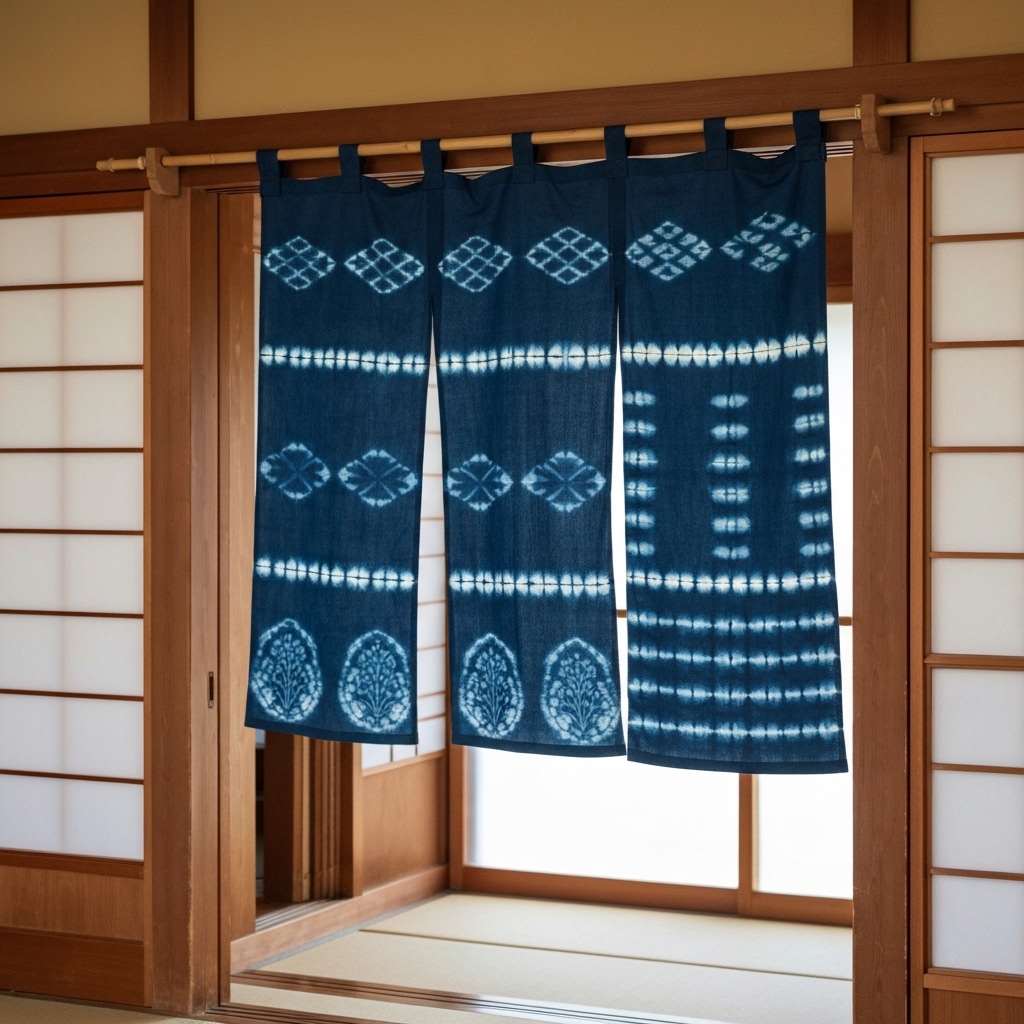
For centuries, the 暖簾 (noren), those iconic fabric dividers, have graced the entrances of shops, restaurants, and homes across Japan. More than just decorations, they’re visual cues, announcing a business’s presence, subtly hinting at its offerings, and often bearing the family crest or shop name. The familiar image is one of a short, split noren hanging in a doorway, gently swaying in the breeze. But the story of noren extends far beyond the traditional entrance.
While we typically associate noren with doorways, their versatility allows them to seamlessly integrate into other areas of the home, especially as unique and beautiful window treatments. Think of a sun-drenched room softened by the gentle diffusion of light through a naturally dyed indigo 藍染め (aizome) noren. Or a kitchen window dressed with a charming noren depicting seasonal motifs, bringing a touch of Japanese aesthetics to your daily life.
This shift towards using noren as window coverings is a natural evolution. Their lightweight nature makes them easy to hang, their diverse range of fabrics offers varying degrees of light control and privacy, and their artistic designs can complement a wide array of interior styles. Whether you're aiming for a minimalist aesthetic or a more eclectic and layered look, a noren can be a surprisingly effective and elegant solution. Explore more noren design ideas for inspiration. The same function as Japanese shoji paper screens, but noren offers wider variety of styles and easier installation, for even more affordable cost.
Exploring Different Noren Styles Suitable for Windows
The beauty of using noren as window treatments lies in the variety available. The "right" style will depend on the size of your window, the amount of light you want to filter, and your desired level of privacy.
- Short Noren (半暖簾, han noren): Ideal for smaller windows, kitchen windows, or spaces where you want to maintain a sense of openness. These typically range from 45cm to 90cm (18 to 35 inches) in length. The split (割れ, ware) is also usually shorter, allowing for more light to pass through while still providing a decorative element.
- Long Noren (長暖簾, naga noren): For larger windows or sliding glass doors, longer noren provide more coverage and a more dramatic effect. These can be 90cm to 180cm (35 to 71 inches) or even longer, offering near-complete privacy when made of denser fabrics.
- Split Noren (割れ暖簾, ware noren): The classic split design allows for easy access to the window while still providing a degree of coverage. The number of splits can vary, influencing both the aesthetic and the functionality. A single split creates two panels, while multiple splits can create a layered and textured look. These are most common at Japanese restaurants, to lead customers from the main entrance.
- One-Panel Noren: Some noren are designed without a split, offering a single, continuous sheet of fabric. These are less common as window treatments, but can be very effective for creating complete privacy or blocking out light entirely, especially with heavier materials.
The way the noren is hung also impacts its functionality. Most noren have a 竿通し (saotooshi) – a rod pocket – at the top for easy hanging. The simplest method is to use a 突っ張り棒 (tsuppari-bou), a tension rod, which requires no drilling and can be easily adjusted. For a complete walkthrough of hanging methods, see our guide on how to hang a noren curtain.
Light Filtering and Privacy Levels Achieved with Different Fabrics
The fabric used in a noren is crucial in determining its light filtering and privacy capabilities. Different materials offer vastly different effects.
- 麻 (Asa - Hemp/Linen): Linen noren offer a beautiful, natural texture and allow for a good amount of light to filter through. They provide moderate privacy, obscuring details but not completely blocking the view. They are popular for their breathability and slightly rustic appearance.
- 綿 (Men/Momen - Cotton): Cotton and 木綿 (momen, specifically, thicker cotton) are versatile options. Lighter cotton fabrics offer a similar effect to linen, while heavier cotton fabrics provide more privacy and light blocking. 綿 is easy to dye using techniques such as 型染め (katazome), which involves using stencils to apply patterns.
- 絹 (Kinu - Silk): Silk noren are luxurious and offer a delicate, shimmering quality. They provide minimal privacy and are best suited for decorative purposes or for layering with other window treatments.
- Synthetic Fabrics: While less traditional, synthetic fabrics like polyester offer durability and easy care. They can be manufactured in a variety of thicknesses and weaves, offering a wide range of light filtering and privacy options.
The color of the fabric also plays a role. Lighter colors will naturally allow more light to pass through, while darker colors will block more light and provide greater privacy. The weave density of the fabric is also critical. A looser weave will allow for more light and less privacy, while a tighter weave will offer more light control and privacy.
Expert Insight: When using a noren as a window treatment, consider the direction your window faces. A south-facing window might benefit from a heavier fabric to block harsh sunlight, while a north-facing window might benefit from a lighter fabric to maximize the available light.
Measuring & Installing Your Noren Window Treatment
Accurately Measuring Your Window for Optimal Coverage
The aesthetic impact of your 暖簾 (noren) as a window treatment hinges on accurate measurements. You’re not just trying to “cover” the window; you’re aiming for a balanced and visually pleasing result. Consider the desired level of light filtering and privacy when determining your noren's dimensions. Our noren size guide covers standard dimensions in detail.
First, decide how much of the window you want to conceal. Do you prefer a han noren (短暖簾) that covers only the lower portion, allowing natural light to stream in above? Or a naga noren (長暖簾) for near-complete coverage? Note that complete blackout is rarely achievable with traditional noren, regardless of length.
Measure the window's width, adding a few centimeters (1-2 inches) on each side for a slight gather. This prevents a stretched, taut appearance. For the length, measure from where you intend to hang the noren (the rod or hook position) to where you want the bottom edge to fall.
Remember that hand-dyed and hand-sewn noren may have slight variations in dimensions. A difference of a few centimeters (an inch or so) is normal and part of the inherent charm. If precise dimensions are critical, confirm them with the seller before purchasing. Also factor in any potential shrinkage, particularly with materials like 綿 (men, cotton), especially if you anticipate washing the noren in the future, although frequent washing is not generally recommended.
Choosing the Right Hanging Method: Tension Rods, Hooks, and More
The classic method for hanging a noren involves a simple pole passed through a saotooshi (竿通し, rod pocket) at the top. This traditional approach offers simplicity and ease of installation.
While 突っ張り棒 (tsuppari-bou, tension rods) are a popular, damage-free choice, they aren't always the most elegant option, particularly for heavier fabrics or longer noren. Ensure the tension rod is rated to hold the weight of your chosen noren to prevent sagging or slippage. Check the stated weight capacity on the packaging.
For a more permanent and visually appealing installation, consider decorative hooks or small brackets. These can be mounted above the window frame, allowing you to hang the noren with a suitable rod (wood, bamboo, or metal). Choose hooks that complement the style of your noren and your interior decor. Remember to use appropriate wall anchors depending on the wall material.
Another option, especially useful for smaller windows or lightweight noren, is to use adhesive hooks designed for curtains. These are easy to install without tools and won’t damage your walls, making them a great choice for apartment and rental spaces. Just ensure they can support the noren’s weight. Consider using multiple hooks for wider noren to distribute the load evenly.
DIY Installation Tips: Ensuring a Secure and Level Hang
Before installation, carefully inspect your noren for any imperfections or loose threads. This is especially important with vintage or antique pieces. Gentle steaming can help remove wrinkles or creases, but avoid ironing directly unless the fabric's care instructions specifically allow it.
When using a tension rod, center it within the window frame and twist until it's firmly in place. A level can help ensure a perfectly horizontal installation, but slight imperfections can add to the noren's rustic charm. For heavier noren, it's wise to position the rod close to the top of the window frame to minimize the length of the rod that must extend to achieve the proper width. This helps prevent bending and bowing in the rod.
If using hooks, measure and mark the positions carefully before drilling any holes. Use a stud finder to locate wall studs for a more secure attachment, especially for heavier noren. Once the hooks are in place, hang the rod and then slide the noren onto the rod through the saotooshi.
When hanging a ware noren (割れ暖簾, split noren), ensure the slits are evenly spaced and hang naturally. You may need to gently adjust them after hanging to achieve the desired look.
Expert Insight: To prevent a brand-new tension rod from marring your window frame, especially if it's painted or made of a softer wood, consider adding small felt pads to the ends of the rod. This protects the surface and provides a more secure grip.
Fabric Selection for Noren Window Treatment: Materials & Patterns
Natural Fibers (Cotton, Linen) vs. Synthetics: Pros and Cons for Windows
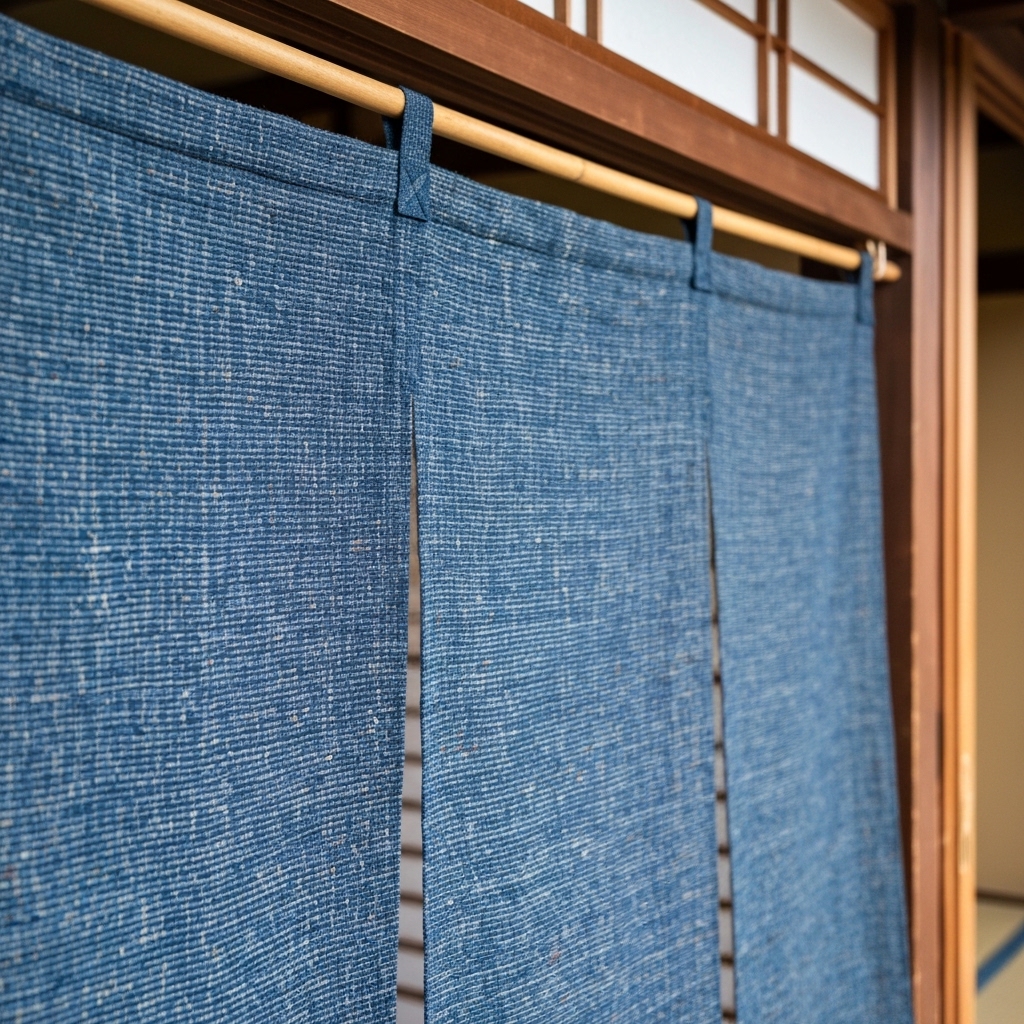
When selecting material, consider how the noren will interact with sunlight and humidity. Natural fibers like 綿 (men, cotton) and 麻 (asa, linen) offer distinct advantages, primarily breathability. Cotton's ability to absorb moisture is beneficial in humid climates, minimizing condensation buildup on your windows. Linen, particularly when left undyed or lightly dyed, provides excellent airflow. Consider 木綿 (momen, specifically cotton fabric) for a more durable, densely woven option, especially for frequently used doorways.
Synthetic fabrics, typically polyesters, excel in colorfastness and resistance to fading from prolonged sun exposure. However, they tend to retain heat and may not breathe as well, potentially leading to trapped moisture. Synthetics can also feel less authentic, lacking the subtle texture and drape of natural fibers. Blends, combining natural and synthetic threads, offer a compromise, balancing durability with breathability. Selecting a thicker weave will provide more privacy compared to a thin, sheer fabric. The weight of the fabric also impacts how it hangs; a heavier material will have a more pronounced and elegant drape.
Color Psychology: Choosing Colors to Impact Mood and Ambiance
Color profoundly influences mood. For instance, a vibrant red in a dining area might stimulate appetite and conversation, while a calming blue in a bedroom creates a sense of serenity. Earth tones, such as browns and greens, evoke nature and stability. Traditionally, in businesses, specific colors have superstitious significance; however, for residential use, personal preference is key. Consider the existing color palette of your room and how the noren will complement or contrast with it. The amount of natural light in the room also affects how colors appear; darker rooms benefit from lighter, more reflective hues. Think beyond solid colors, too. Gradients and subtle shifts in tone can add depth and visual interest without overwhelming the space.
Expert Insight: Before committing, drape a fabric swatch in front of your window at different times of day to observe how the light interacts with the color.
Integrating Traditional Japanese Patterns (e.g., Hemp Leaf, Waves) into Your Decor
Japanese patterns are rich in symbolism. A popular pattern is 麻の葉 (asa no ha, hemp leaf pattern), traditionally believed to ward off evil spirits and bring good luck. Its geometric structure offers a visually striking element. Waves, represented by 青海波 (seigaiha), symbolize peace, tranquility, and never-ending good fortune. These patterns can be incorporated into your decor in subtle or bold ways. For a more understated approach, choose a noren with a small-scale repeating pattern in muted colors. Alternatively, a large-scale design with bold colors can become a focal point. Consider the scale of the pattern relative to the size of your window. A small window may be overwhelmed by a large, complex pattern. Resist the urge to over-coordinate. Mixing different patterns, as long as they share a common color palette or aesthetic, can create a more layered and interesting look. The beauty of these patterns lies not just in their aesthetics, but also in the cultural stories they tell.
Creating Custom Noren Window Treatments: DIY & Personalization
While readily available noren offer a vast array of styles, nothing quite compares to the personal touch of a handmade creation. Embarking on a DIY journey allows you to perfectly match your noren to your specific aesthetic and functional needs, transforming a simple window treatment into a cherished piece of art.
Designing Your Own Noren: Stencils, Fabric Paint, and Embroidery
The beauty of crafting your own noren lies in the freedom of design. Before even considering fabric, dedicate time to sketching out your vision. Will it feature bold geometric patterns, delicate floral motifs, or perhaps a minimalist representation of a favorite kanji?
Stencils offer an excellent starting point for achieving precise and repeatable designs. Pre-made stencils are widely available, but consider creating your own using acetate sheets and a craft knife. This allows for complete control over the image. When using fabric paint, opt for brands specifically formulated for textiles to ensure durability and washability. Always test the paint on a scrap piece of your chosen fabric first to gauge its absorbency and colorfastness. Apply paint sparingly, building up layers for a more opaque finish. For a truly unique design, explore traditional Japanese stencil techniques, adapted for modern materials.
Embroidery elevates the noren to a new level of artistry. Consider incorporating sashiko (刺し子), a form of Japanese folk embroidery using simple running stitches to create intricate geometric patterns. Sashiko is traditionally done with white thread on indigo-dyed fabric, but feel free to experiment with different color combinations to match your interior. Alternatively, explore free-motion embroidery, using your sewing machine as a drawing tool to create flowing lines and textured effects. If you are new to embroidery, remember you may want to start with a smaller, more manageable section of fabric.
Upcycling Fabrics: Repurposing Old Clothes and Textiles into Noren
Give new life to forgotten fabrics by transforming them into distinctive noren. This approach aligns perfectly with the Japanese concept of mottainai (勿体無い), which expresses a sense of regret over waste.
Consider using old kimonos, yukata, or even denim jeans. A well-loved kimono with fading or minor imperfections can be deconstructed, and the fabric artfully repurposed. The patterns and textures inherent in these materials instantly add character and depth. For denim, the varying shades of blue and the contrasting stitching create a rustic and casual noren, perfect for a kitchen or study.
Another possibility is to patchwork together smaller scraps of fabric. This is an excellent way to utilize leftover materials from other sewing projects. Experiment with different shapes, sizes, and textures to create a visually stimulating collage. Remember that different fabric weights will hang differently. Thinner fabrics may need a lining. For a truly cohesive look, consider sticking to a limited color palette or a consistent theme.
Adding Unique Touches: Bells, Tassels, and Other Embellishments
The final touches are what truly personalize your noren. Consider incorporating small bells (鈴, suzu) along the bottom edge. The gentle tinkling sound they create with movement adds a touch of whimsy and serenity. Historically, bells were often used in shops to signal a customer's entry.
Tassels (房, fusa) are another elegant addition. Create your own using yarn, embroidery floss, or even strips of fabric. Attach them to the bottom corners or along the center split for a touch of drama. Vary the length and thickness of the tassels to create different visual effects.
Beyond bells and tassels, consider adding other embellishments such as beads, buttons, or even small origami cranes (折鶴, orizuru). These details can be strategically placed to highlight certain aspects of the design or to add a touch of personal meaning.
Expert Insight: When adding embellishments, think carefully about their weight and how they will affect the drape of the noren. Heavy embellishments can cause the fabric to sag, so distribute them evenly or use lighter materials. Consider how the embellishments may affect washing of the noren, and whether they may need to be removed before cleaning.
Maintenance and Care for Your Noren Window Treatment
Dusting and Vacuuming Techniques for Noren Fabrics
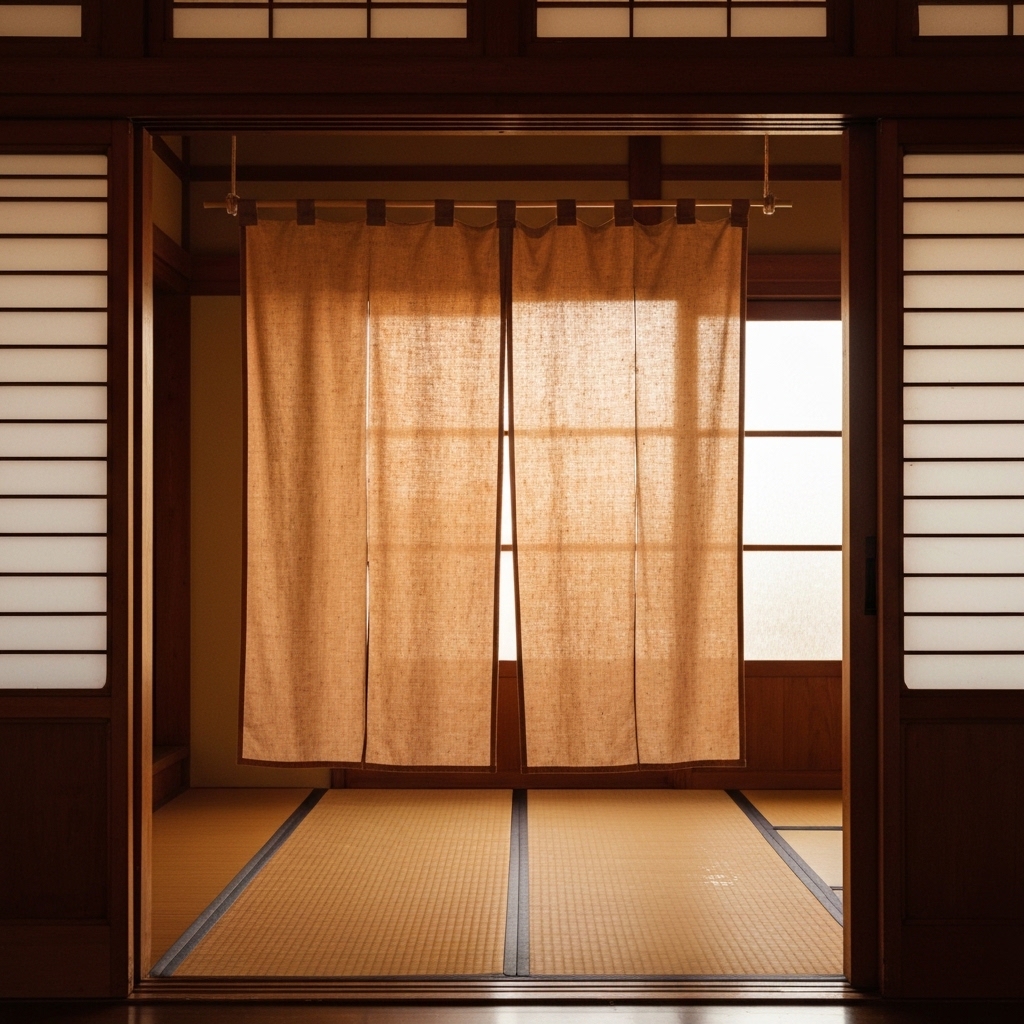
Even seemingly pristine noren, especially those gracing frequently used doorways or windows, accumulate dust and airborne particles. Regular removal prevents grime buildup that can dull colors and weaken fibers. For light dusting, a soft-bristled brush, like those used for calligraphy, works wonders. Gently brush downwards, following the grain of the fabric. This technique is particularly effective for noren made from delicate materials like 絹 (kinu – silk), where harsher methods could cause damage.
For more thorough cleaning, a handheld vacuum cleaner with a brush attachment proves invaluable. Use the lowest suction setting to avoid pulling or stretching the fabric. Pay close attention to seams and the area around the 竿通し (saotooshi – rod pocket), where dust tends to collect. Remember to support the fabric as you vacuum to prevent excessive movement. If your noren has tassels or decorative elements, take extra care around these features. For heavily textured cotton (木綿 – momen) noren, a slightly more vigorous vacuuming approach may be necessary, but always test a small, inconspicuous area first.
Expert Insight: After vacuuming, consider gently steaming your noren from a distance of about 30 cm (12 inches). The steam helps to relax any wrinkles and refresh the fabric without the need for harsh chemicals or ironing.
Washing Instructions Based on Fabric Type: Hand Washing vs. Machine Washing
Whether hand washing or machine washing is appropriate hinges entirely on the fabric and construction of your 暖簾 (noren). Noren crafted from natural, undyed materials such as 麻 (asa – hemp/linen) and 綿 (men – cotton fabric) typically tolerate gentle hand washing. For machine washing, place the noren inside a mesh laundry bag to minimize friction and prevent snagging.
Hand washing offers greater control. Fill a basin with cool water and a mild, pH-neutral detergent. Gently agitate the noren in the water, avoiding harsh scrubbing or twisting. Rinse thoroughly until all traces of soap are gone. To dry, gently press out excess water (do NOT wring) and hang the noren on a padded hanger or lay it flat on a clean, dry towel, away from direct sunlight.
Never machine wash antique or heavily embellished noren. Instead, seek the services of a professional textile conservator. Similarly, noren featuring intricate 藍染め (aizome – indigo dye) may bleed, even after repeated washing. Test a small, hidden corner before submerging the entire piece. Polyester noren can usually be machine washed on a delicate cycle, but always check the manufacturer's instructions.
Addressing Common Issues: Fading, Stains, and Shrinkage Prevention
Fading, stains, and shrinkage pose common challenges to maintaining the beauty of your noren window treatment. Direct sunlight is the primary culprit behind fading. Rotate your noren periodically or consider using UV-filtering window film to minimize exposure. For colored noren, especially those dyed with traditional methods, consider washing with a color-catcher sheet to prevent dye transfer.
Act promptly when tackling stains. Blot (never rub!) the affected area with a clean, damp cloth. For stubborn stains, consult a stain removal guide specific to the fabric type. Avoid harsh chemicals or bleach, which can damage the fibers and cause discoloration. A paste of baking soda and water can sometimes work wonders on minor stains, but test it on an inconspicuous area first.
Shrinkage is a concern primarily with natural fibers like cotton and linen. To minimize shrinkage during washing, use cool water and avoid high heat when drying. Air drying is always preferable to machine drying. If you must use a dryer, select the lowest heat setting and remove the noren while it is still slightly damp. Ironing while damp can also help to restore the original shape and size.
Styling Your Home with Noren Window Treatments: Room-by-Room Ideas
Noren in the Kitchen: Adding a Touch of Japanese Charm
The kitchen, often the heart of the home, presents unique opportunities for noren application. Beyond simply dressing a window, consider using a noren to subtly conceal open shelving. A shorter丈 (take, length), perhaps 90cm (35 inches), allows a glimpse of items while obscuring clutter. Linen (麻, asa) is a practical choice for the kitchen, given its breathability. Pattern selection can further enhance the atmosphere; geometric designs, or repeating motifs of kitchen tools, can add playful visual interest. In traditional Japanese homes, you might find a noren hanging at the entrance to the kitchen itself, especially if it's separate from the dining area, to delineate the space without completely closing it off. A noren depicting stylized vegetables or fruits could be quite fitting for this application. Think about a semi-sheer fabric to let light filter through even when drawn closed. Rather than a standard print, consider a resist-dyed noren, where the pattern is created by preventing the dye from penetrating certain areas of the fabric – it adds a unique handcrafted feel.
Expert Insight: Consider the placement of your stove. A strategically placed noren can help block drafts that might extinguish the flame of gas ranges, a practical yet often overlooked benefit.
Noren in the Bedroom: Creating a Relaxing and Serene Space
The bedroom should be a sanctuary, and noren can play a significant role in cultivating a sense of calm. Instead of heavy drapes, a lightweight cotton (木綿, momen) noren can diffuse sunlight, creating a soft, gentle ambiance. Think about longer noren, nearly floor-length, hung not at the window itself but perhaps framing a reading nook or closet space. Patterns here should prioritize tranquility. Consider opting for motifs found in nature, like bamboo leaves or flowing water, rendered in subdued tones. For smaller windows, a simple, unadorned noren in a solid color can create a minimalist, zen-like feel. Furthermore, a noren can serve as a headboard alternative; suspending a beautifully textured or dyed fabric behind the bed can add visual depth and texture to the room without the bulk of traditional furniture. When used over a window, you could pair it with a roller shade behind it to have light control and privacy when needed.
Noren in Living Areas: Defining Spaces and Adding Visual Interest
Living areas often require versatile design solutions, and noren are exceptionally adaptable. They can define distinct zones within an open-plan layout without constructing permanent barriers. Imagine using a split noren (割れ暖簾, ware noren) as a room divider between a living room and dining area. The split design preserves a sense of openness while creating a subtle visual separation. The choice of fabric is crucial here; heavier materials like thicker cotton or even a blend with synthetic fibers will provide greater sound absorption, which can be beneficial in shared living spaces. Consider incorporating a noren that complements the existing color palette of the room. A bolder pattern or design can serve as a focal point, while a more subtle option can blend seamlessly with the existing décor. Think also about using a noren to soften the harsh lines of built-in bookshelves or entertainment centers. A strategically placed noren can conceal clutter and add a touch of warmth to otherwise sterile environments. In a home with a genkan (玄関, entryway), a noren could enhance this area.