Best Noren for Kitchen: Japanese Curtains for Style & Function
Material Matters: Finding the Right Fabric for Your Kitchen Noren
Choosing a noren (暖簾), the traditional Japanese fabric divider, for your kitchen involves more than just aesthetics. For a comprehensive look at fabric options, see our noren materials guide. The material you select significantly impacts its durability, functionality, and longevity in a demanding environment prone to spills, splatters, and fluctuating temperatures. For over fifteen years, I've lived in Japan and witnessed firsthand how carefully Japanese households choose their noren, especially those gracing the entrance to their kitchens. It’s a decision balancing practicality with the desire for beauty and harmony. The fabric whispers volumes about the home it adorns.
Durability and Stain Resistance: Cotton vs. Linen vs. Synthetic Blends
The most common materials for kitchen noren are momen (木綿), or cotton, asa (麻), encompassing linen and hemp, and various synthetic blends. Each has its strengths and weaknesses.
Momen, being cotton, is generally affordable and readily available in a wide array of colors and prints. A heavier weight cotton (think canvas-like) will be more durable than a thinner weave. However, momen readily absorbs stains, a major consideration in a kitchen. Untreated cotton noren will likely require frequent washing, potentially leading to fading over time. A benefit is that cotton is easily dyed, and you'll find a huge variety of katazome (型染め) stenciled cotton noren.
Asa, referring to both linen and hemp, offers superior durability compared to cotton. Linen noren, in particular, boast impressive strength and become softer with each wash. While asa still absorbs liquids, it tends to resist staining better than cotton due to its natural fibers. Its breathability is also excellent, which we'll delve into later. A high-quality linen noren, although a more significant initial investment, can last for years, even decades, with proper care. Keep in mind that pure asa can be prone to wrinkling.
Synthetic blends, often incorporating polyester, are designed for maximum stain resistance and ease of care. These are your workhorses. They're less likely to wrinkle, fade, or shrink, and many can simply be wiped clean. However, they often lack the natural texture and warmth of cotton or linen, and might feel less authentic.
Expert Insight: Pre-treating your noren with a fabric protector specifically designed for the chosen material can significantly enhance stain resistance, regardless of whether it’s cotton, linen, or a blend.
Breathability and Airflow: Choosing Materials for a Well-Ventilated Kitchen
In a Japanese kitchen, ventilation is key. You'll want your noren to allow for adequate airflow, preventing the buildup of moisture, cooking odors, and heat.
Asa, particularly linen, excels in breathability. Its loose weave allows air to circulate freely, making it ideal for smaller kitchens or those prone to humidity. Cotton also offers good breathability, though not quite as effectively as linen. Synthetic blends, especially those with a tighter weave, generally offer the least breathability. Consider this if your kitchen tends to get stuffy while cooking. A heavier cotton canvas, while durable, will also restrict airflow compared to a light linen.
A well-ventilated kitchen not only improves comfort but also helps to prevent mold and mildew growth, making it a healthier environment overall. The natural fibers of asa and momen contribute to this by wicking away moisture.
Colorfastness and Fade Resistance: Maintaining the Visual Appeal of Your Kitchen Noren
The sun is not always your noren's friend. Direct sunlight can cause fabrics to fade over time, especially vibrant colors. Similarly, frequent washing, while necessary in a kitchen, can also contribute to fading.
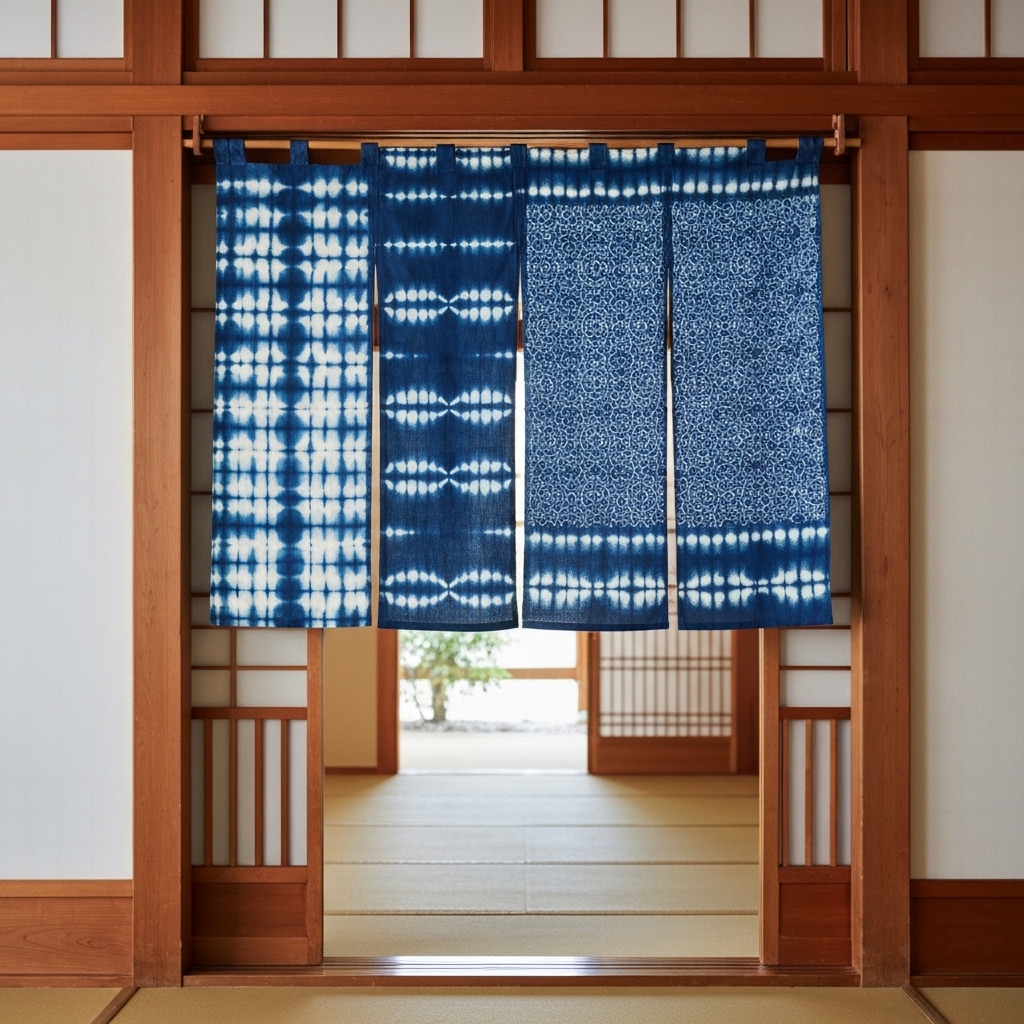
Aizome (藍染め), indigo-dyed fabrics, are renowned for their excellent colorfastness. This traditional dyeing technique creates a deep, rich blue that resists fading remarkably well. A true aizome noren is a worthwhile investment if you want something that will retain its beauty for years. However, indigo can sometimes transfer slightly when new, so take care when washing it for the first time.
Synthetic dyes generally offer better fade resistance than natural dyes, particularly in lighter colors. However, they might lack the depth and character of naturally dyed fabrics. Look for noren that are specifically labeled as "colorfast" or "fade-resistant."
When washing your noren, always follow the manufacturer's instructions. Using a mild detergent and avoiding harsh chemicals will help to prolong its color. Line drying is preferable to machine drying, as high heat can accelerate fading. Remember that even the most colorfast fabrics will eventually fade over time with prolonged exposure to sunlight and frequent washing.
Size and Placement: Optimizing Your Noren for Kitchen Functionality
Measuring Your Doorway: Ensuring Proper Fit and Drape
Achieving the perfect drape for your kitchen 暖簾 (noren) requires accurate doorway measurements. Our noren size guide walks you through every dimension. While standard doorway sizes exist, relying on them can lead to a less-than-ideal fit. Instead, grab your measuring tape and take precise measurements of both the width and height of the opening you intend to cover.
Consider the desired effect. For a full, gathered look that provides maximum privacy, the noren's width should ideally be 1.5 to 2 times the width of the doorway. So, if your doorway measures 85cm (approximately 33.5 inches), a noren with a width between 127.5cm (50 inches) and 170cm (67 inches) would create a fuller appearance. Keep in mind that standard noren often come in widths around 85cm (33.5 inches) or slightly wider, which are suitable for standard single doorways.
Height is equally important. A noren that is too long can become a tripping hazard, especially in a busy kitchen environment. Aim for a length that falls a few centimeters above the floor. Most importantly, consider what your kitchen doorway is used for. If you intend to have people walk through it and not fully obscure the view, a shorter noren is the best option. Typical lengths range from 90cm (35 inches) to 150cm (59 inches). The beauty of a noren is that you can have it custom-made if necessary to suit specific proportions. When measuring height, consider where the 竿通し (saotooshi, rod pocket) will sit. The top edge of the noren isn’t necessarily where the rod will sit.
Noren Placement Strategies: Maximizing Privacy and Minimizing Obstruction
Strategic placement of your noren goes beyond aesthetics; it directly impacts the functionality and flow of your kitchen. Think about how you move through the space and where you need privacy or separation.
Consider these questions when planning your noren's placement:
- Traffic Flow: Is the doorway a primary thoroughfare? If so, a shorter noren or one with a split design is ideal to minimize obstruction. A split noren allows for easy passage without requiring you to constantly push it aside.
- Privacy Needs: Does the doorway lead to a pantry or storage area you want to conceal? A longer, wider noren can provide greater privacy. Consider a denser weave for added opacity.
- Light Control: Do you want to filter sunlight or block harsh glare? Adjusting the noren's height and material can influence the amount of light entering the kitchen.
- Ventilation: Will the noren impede airflow? For kitchens prone to heat or odors, choose a lighter fabric and ensure the noren doesn't completely seal off the doorway.
Think about traditional placement. Noren are commonly hung not just at doorways, but also in front of shelves, counters or appliances to conceal clutter or less visually appealing items. In smaller kitchens especially, they help to organize the visual space, even when space is limited.
Expert Insight: Observe how you naturally move through your kitchen for a few days before installing the noren. This will highlight potential obstacles or areas where privacy is most needed, helping you determine the ideal placement and length.
Rod Length and Tension: Selecting the Right Hardware for Easy Installation
Choosing the right rod is paramount for a secure and aesthetically pleasing noren installation. While there are many options available, the simplicity and adjustability of a 突っ張り棒 (tsuppari-bou, tension rod) make it a popular choice for kitchens.
When selecting a tension rod, ensure it's slightly longer than the width of your doorway. For a full walkthrough of rod types and installation methods, see how to hang a noren curtain. This allows for proper tension and prevents the rod from slipping or falling. Measure the inside width of your doorway carefully and choose a rod with an adjustable range that accommodates that measurement. A rod that is too short won't create sufficient tension, while one that is too long may be difficult to install.
Consider the weight of your noren. A heavier noren requires a sturdier rod to prevent sagging. While most tension rods can handle lightweight cotton or linen noren, you may need to opt for a thicker, more robust rod for heavier fabrics or longer lengths. Many tension rods have a maximum weight capacity listed on the packaging, so be sure to check this before purchasing.
Installation is typically straightforward. Simply extend the tension rod to the desired length, ensuring it's snug against both sides of the doorway. Check for stability before hanging your noren. If the rod feels loose, adjust the tension until it's secure.
Design and Aesthetics: Choosing the Best Noren for Your Kitchen's Style
Complementing Your Kitchen Decor: Matching Colors, Patterns, and Motifs
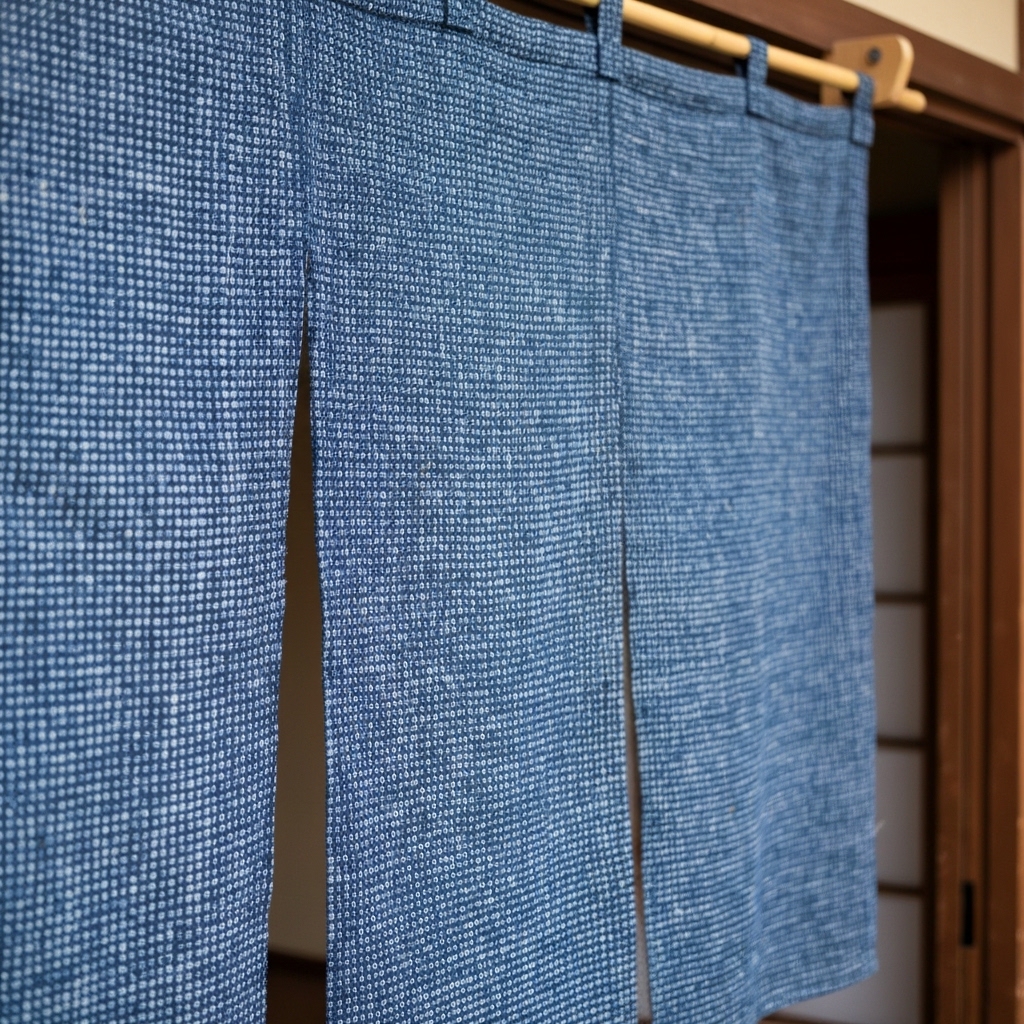
Beyond simple color coordination, consider how the texture and weight of your chosen noren contribute to the overall feel of your kitchen. Our noren design ideas guide offers more room-by-room inspiration. A rustic kitchen with exposed brick and natural wood, for instance, might benefit from a heavier-weight 木綿 (momen, cotton) noren with earthy tones and a simple, textured weave. The slight imperfections in the fabric will complement the organic aesthetic. In contrast, a modern, minimalist kitchen could use a 麻 (asa, hemp/linen) noren in a lighter shade with a geometric print to add a touch of visual interest without overwhelming the space.
Think about incorporating motifs already present in your kitchen. If you have ceramic dishes with a specific floral design, you could find a noren with a stylized version of that same flower. The key is to create subtle connections rather than an exact match. This prevents the space from feeling too contrived.
When considering patterns, be mindful of scale. A small kitchen can easily be overwhelmed by a large, bold print. Opt for smaller, more delicate patterns or textures. A larger kitchen, on the other hand, can handle more impactful designs. Remember the noren will be a focal point; select patterns thoughtfully.
Noren Symbolism: Selecting Designs with Meaning and Cultural Significance
Noren are more than just decorative fabric; they often carry symbolic meanings deeply rooted in Japanese culture. Incorporating these symbols into your kitchen noren can add depth and personal significance. For example, a design featuring cranes (鶴, tsuru) represents longevity and good fortune, making it a welcome addition to a space where nourishment is prepared. Similarly, bamboo (竹, take) symbolizes resilience and flexibility, qualities often associated with the challenges and rewards of cooking.
While overtly religious symbols might not be appropriate for every kitchen, stylized representations of natural elements like waves (波, nami) or mountains (山, yama) can bring a sense of tranquility and connection to nature. Koi fish (鯉, koi), symbolizing perseverance and strength, are another popular motif.
Before choosing a noren based on its symbolism, take the time to understand the meaning behind the design. A little research will help you select a noren that resonates with your personal values and creates a positive atmosphere in your kitchen. Consider the visual impact alongside the symbolic. A bold design might be eye-catching, but does its message align with your intention for the space?
Expert Insight: If you appreciate minimalism, consider a plain noren in a natural color such as indigo (藍色, ai-iro). The simplicity itself can be profoundly meaningful, embodying a sense of calm and understated elegance. The indigo can be achieved using 藍染め (aizome, indigo dyeing), a traditional Japanese technique.
Customization Options: Creating a Unique and Personalized Kitchen Noren
While pre-made noren offer a wide variety of designs, creating a custom noren allows you to perfectly tailor it to your specific kitchen and personality. The first step is to determine the overall design. Consider a design reflecting your favorite foods, kitchen tools, or even a family crest if you have one. Simple stencils can be used to create unique patterns using fabric paint.
Another option is to incorporate meaningful text. Perhaps a favorite cooking quote, a family recipe, or a simple "Welcome" (いらっしゃいませ, irasshaimase). Choose a font that complements your kitchen's style and ensure the text is legible from a distance. Keep in mind the traditional vertical writing style used in Japan (縦書き, tategaki) which adds authenticity.
You can also customize a plain noren with fabric scraps or embroidery. Adding a simple embroidered border can elevate a basic noren, adding detail and personalization. Think about using leftover fabric from other kitchen textiles like tablecloths or napkins to create a cohesive look.
When creating a custom noren, keep the overall aesthetic of your kitchen in mind. Don't be afraid to experiment, but ensure the final result complements the existing décor and reflects your personal style. A personalized noren is not only functional but also a statement piece that adds character to your kitchen.
Practical Considerations: Keeping Your Kitchen Noren Clean and Functional
Washing and Drying Instructions: Preventing Shrinkage and Damage
Maintaining the beauty and integrity of your kitchen 暖簾 (noren) requires careful attention to washing and drying. While specific instructions vary based on the fabric, some general principles apply, rooted in traditional Japanese textile care. The goal is to minimize shrinkage, color fading, and structural damage.
Delicate fabrics, particularly those utilizing natural dyes, benefit significantly from hand-washing. For complete step-by-step instructions, see our noren care and washing guide. Fill a basin with lukewarm water (around 30°C or 86°F) and a gentle, pH-neutral detergent. Submerge the 暖簾 (noren), gently agitating the water. Avoid harsh scrubbing or twisting, which can distort the fibers. Rinse thoroughly with cool water until all traces of detergent are gone.
Machine washing is acceptable for more robust materials, but always use a delicate cycle and place the 暖簾 (noren) inside a mesh laundry bag for added protection. Again, use a mild detergent and avoid harsh chemicals like bleach. Opt for cold water to preserve color vibrancy and reduce the risk of shrinkage.
Drying methods are just as crucial. Avoid tumble drying at all costs, as the high heat can cause significant shrinkage and damage. Instead, gently squeeze out excess water (do not wring), and hang the 暖簾 (noren) on a line or drying rack indoors, away from direct sunlight. Direct sunlight can fade colors, especially those from natural dyes such as 藍染め (aizome). Ensure the 竿通し (saotooshi), the rod pocket, is properly aligned to maintain its shape during drying. A slightly damp finish makes ironing easier.
Stain Removal Tips: Addressing Common Kitchen Spills and Splatters
The kitchen is a haven for spills, and your 暖簾 (noren) is inevitably at risk. Prompt action is key to preventing permanent stains. Blot (do not rub!) spills immediately with a clean, absorbent cloth. Rubbing can spread the stain and damage the fibers.
For oil-based stains, sprinkle the affected area with cornstarch or baking soda to absorb the grease. Let it sit for at least 30 minutes, then gently brush it off. Repeat if necessary. Afterwards, treat the area with a mild detergent solution and rinse thoroughly.
Sauce splatters often contain pigments that can stain. A pre-treatment stain remover, applied according to the product instructions, can be effective. Test the product on an inconspicuous area of the 暖簾 (noren) first to ensure it doesn't cause discoloration.
For stubborn stains, consider a diluted solution of white vinegar and water. Apply it to the stain, let it sit for a few minutes, and then gently blot it away. Rinse thoroughly. For colored stains, like turmeric, sunlight can actually help to bleach the stain. After treating the stain, hang the 暖簾 (noren) in a well-lit area (indirect sunlight is still preferable) and let the sun naturally fade the stain over time.
Ironing and Maintenance: Keeping Your Noren Looking Its Best
Ironing is essential for maintaining a crisp, clean appearance. Iron the 暖簾 (noren) while it is still slightly damp. Use the appropriate heat setting for the fabric. A low to medium setting is generally safe for most materials. If you are unsure, start with a lower setting and gradually increase it until the wrinkles are effectively removed.
Always iron on the reverse side of the fabric, especially for 暖簾 (noren) with intricate designs or delicate embellishments. This helps to prevent damage to the surface and protects the colors from fading. Consider using a pressing cloth between the iron and the fabric for added protection.
Regular maintenance beyond washing and ironing includes occasional dusting or vacuuming with a soft brush attachment to remove accumulated dust and debris. Store the 暖簾 (noren) properly when not in use. Fold it neatly and store it in a dry, well-ventilated place, away from direct sunlight. Avoid storing it in plastic bags, which can trap moisture and lead to mildew.
Expert Insight: To prevent the 竿通し (saotooshi) from stretching or becoming misshapen during washing or storage, insert a rolled-up towel or piece of cardboard inside it. This helps to maintain its structure and ensures it hangs properly when re-hung.
Beyond the Doorway: Alternative Uses for Noren in Kitchen Design
While 暖簾 (noren) are traditionally associated with doorways, their versatility extends far beyond simply marking an entrance. In the Japanese home, resourcefulness and adaptable design are highly valued. The kitchen, a space of constant activity and evolving needs, is the perfect place to explore the unconventional applications of these fabric dividers.
Creating a Pantry Curtain: Concealing Storage and Adding Visual Interest
Open shelving is trendy, but sometimes, a little concealment is welcome. A pantry, in particular, often benefits from a visually softening element. Instead of a solid door, consider using a noren as a pantry curtain. This offers easy access while hiding clutter or less aesthetically pleasing items like bulk food containers or cleaning supplies.
The key here is choosing a noren that complements the overall kitchen design but also provides adequate coverage. Opt for a slightly wider noren than the pantry opening to create gentle folds that enhance the depth and texture. You may even layer two noren of different opacities to achieve a balance between concealment and light filtration.
For example, a simple, indigo-dyed 綿 (momen – cotton fabric) noren with a subtle, repeating pattern could add a touch of rustic charm to a farmhouse-style kitchen. If your kitchen is modern and minimalist, a linen (麻 – asa) noren in a neutral color with a geometric design might be more suitable. Consider adding weights discreetly to the bottom hem of the noren if the pantry is in a high-traffic area to prevent excessive swaying. The weights will also make the noren hang straighter and look more polished.
Dividing the Kitchen Space: Separating Cooking and Dining Areas
In open-plan living spaces, the kitchen often flows directly into the dining area. While this layout encourages socializing, it can also lead to cooking smells lingering in the dining space, and visual clutter from the kitchen becoming distracting. A strategically placed noren can subtly delineate these zones without completely closing them off.
A longer noren, perhaps reaching just above table height, can visually separate the cooking and dining areas. This creates a sense of intimacy in the dining space while partially shielding it from the sights and sounds of the kitchen. Select a noren with a design that complements both areas. For example, if your kitchen has a modern aesthetic and the dining area is more traditional, a noren that blends elements of both styles could create a cohesive look.
Experiment with the number of slits in the noren. Fewer slits will provide more privacy and separation, while more slits will maintain a greater sense of connection. A noren with five slits, approximately 15-20cm (6-8 inches) apart, is a common choice.
Expert Insight: To ensure the noren hangs properly and creates the desired visual effect, measure the width of the space you want to divide carefully. Add extra inches on either side to allow for gathering and create a more luxurious, draped appearance.
Adding a Decorative Element: Using Noren as Wall Art
Noren are not just functional; they can also be beautiful works of art. Consider using a noren as a wall hanging to add a unique decorative element to your kitchen. This is particularly effective in smaller kitchens where space is limited, and traditional artwork may be impractical.
Select a noren with a striking design, such as a bold graphic print, a traditional landscape scene, or an intricate 型染め (katazome – stencil dyeing) pattern. Frame the noren for a more formal look, or simply hang it directly on the wall using decorative tacks or a small curtain rod. Ensure the noren's colors and patterns harmonize with the kitchen's overall color scheme and style. You can also change out the noren seasonally to keep your kitchen decor fresh and interesting. A springtime floral noren can brighten up the kitchen after a long winter, while an autumnal landscape can bring warmth and coziness during the colder months. The dimensions of the noren you choose for wall art will depend on the wall space available and the desired visual impact.
Evaluating Your Needs: Deciding on the Best Noren for Kitchen, Based on Your Unique Priorities
Choosing the right 暖簾 (noren) for your kitchen is a personal decision that should reflect your cooking style, the layout of your space, and your lifestyle. There's no one-size-fits-all solution. Instead, consider these key factors to find the perfect match.
Privacy vs. Openness: Balancing Light and Visibility
Think about how much you want to visually separate the kitchen from adjacent spaces. A sheer or loosely woven noren will let plenty of light and movement pass through, maintaining a sense of connection. This is ideal if you want to subtly define the kitchen without closing it off entirely – perhaps softening the view from the dining room or hallway.
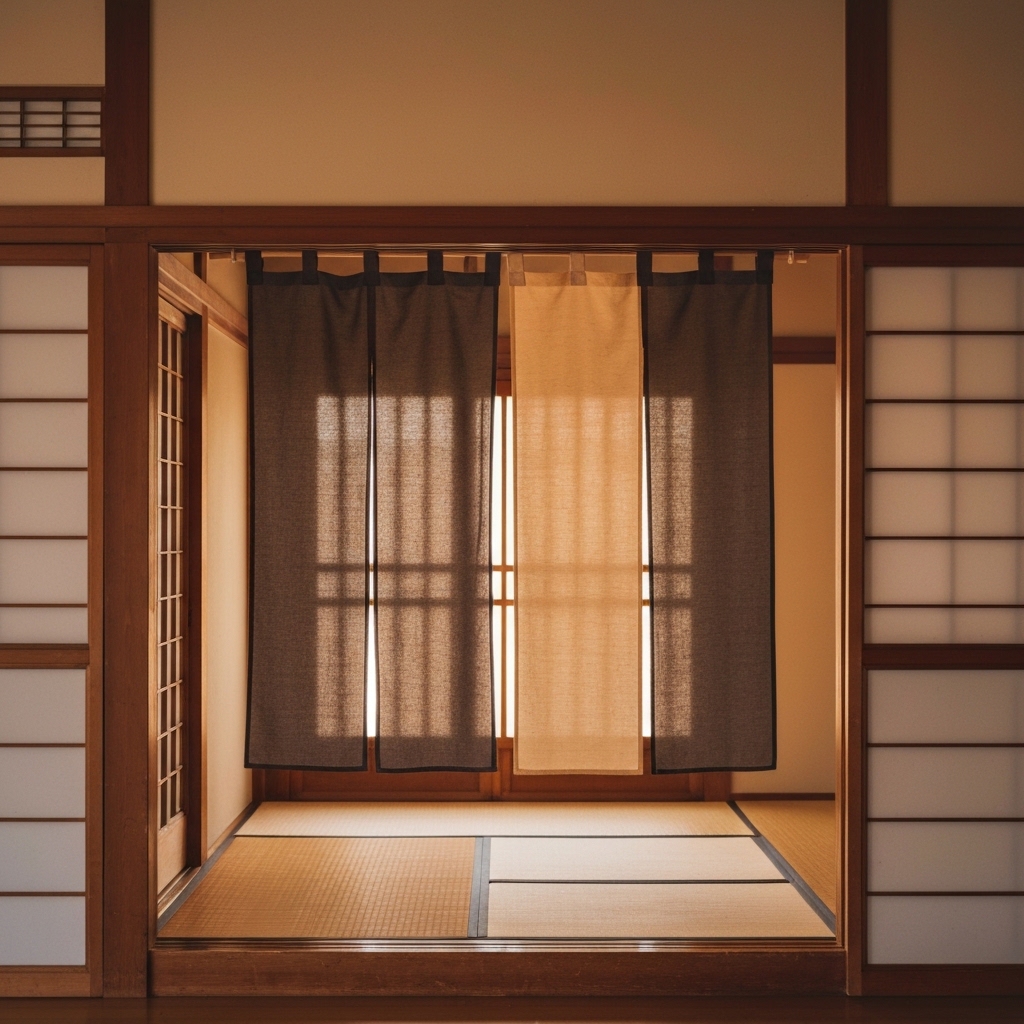
Conversely, a denser weave or a thicker fabric will provide more privacy and block more light. This can be useful for hiding a messy kitchen during meal preparation or if you simply prefer a more enclosed feeling. The depth of color in the design also contributes to this. A solid, dark-colored noren will naturally obstruct the view more than one with a light, airy pattern.
The height at which you hang your noren also plays a significant role. A shorter noren (e.g., 90cm/35 inches) leaves more of the doorway open, allowing for greater visibility above and below. A longer one (e.g., 150cm/59 inches) offers greater privacy, but could also feel more visually weighty, particularly in a small kitchen.
Think about the purpose of the noren. Is it purely decorative, or is it intended to actively obscure the view? A narrow entrance to a pantry may only require a short noren that enhances the aesthetic without blocking light. However, a wider opening leading to a utility area may benefit from a longer, more substantial piece.
Heat and Steam Resistance: Choosing Materials for High-Heat Environments
While we've covered materials previously, let’s consider the impact of the humid, often hot environment of a working kitchen on the noren's longevity. The way a fabric is woven can significantly affect its durability and resistance to shrinkage.
Consider weaves designed for resilience, like canvas. Although traditionally made of 綿 (men), modern canvases often incorporate synthetic fibers for increased durability and reduced shrinkage when exposed to steam and moisture.
Beyond the fabric itself, think about any applied treatments. A stain-resistant finish, while practical, may alter the fabric's breathability and feel. Weigh the benefits of easy cleaning against the potential change in texture.
The way the noren is hung also impacts its interaction with heat and steam. Ensuring proper ventilation behind the fabric is vital. Avoid positioning the noren directly in front of a frequently used stovetop or oven, as this will accelerate wear and tear.
Expert Insight: Consider seasonally rotating your kitchen noren. Having two allows you to swap them out, giving each one a break from the intense conditions of the kitchen, extending their lifespan.
Budget Considerations: Balancing Quality and Affordability
The price range for 暖簾 (noren) can vary dramatically, influenced by factors such as the material, the complexity of the design, and the craftsmanship involved. Mass-produced polyester noren with printed designs are the most budget-friendly option. While they offer affordability and easy maintenance, they may lack the unique character and durability of handcrafted pieces.
Stepping up from mass-produced options, you'll find cotton and linen blends that offer a balance of quality and affordability. These fabrics provide a more natural feel and often feature more intricate woven or printed designs.
At the higher end, you'll encounter handcrafted noren made from premium materials like 麻 (asa) or even 絹 (kinu), silk, featuring traditional dyeing techniques such as 型染め (katazome). These are heirloom-quality pieces that can add a touch of refined elegance to your kitchen.
However, remember that affordability extends beyond the initial purchase price. Consider the long-term cost of maintenance and replacement. A cheaper noren that needs to be replaced frequently may ultimately cost more than a more durable, higher-quality option.
When setting your budget, factor in the cost of hanging hardware, such as a 突っ張り棒 (tsuppari-bou), tension rod, or a traditional bamboo rod (竿). While a simple tension rod is an affordable option, investing in a more aesthetically pleasing rod can enhance the overall look of your noren.