Cherry Blossom Noren: Bring Spring Indoors with Sakura Curtains
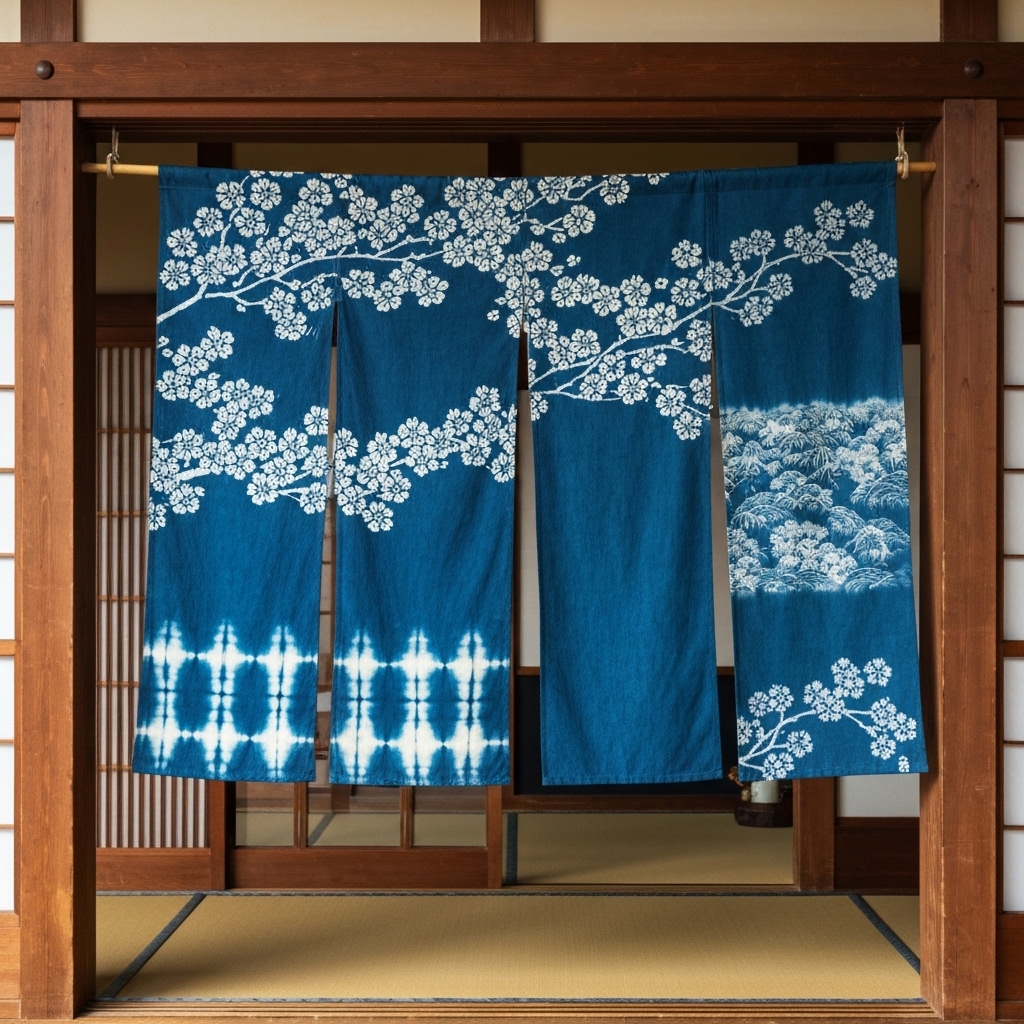
The Symbolism and History of Cherry Blossoms in Noren Design
The Historical Significance of Cherry Blossoms (Sakura) in Japanese Culture and Art
Sakura (桜), the cherry blossom, holds a uniquely profound position in the Japanese psyche. More than just a beautiful flower, it represents the ephemeral nature of life, beauty, and mortality. This reverence stems from centuries of cultural and historical influence. The earliest mentions of cherry blossom viewing, or hanami (花見), can be traced back to the Nara Period (710-794 AD), though initially, plum blossoms (ume, 梅) were more prominent. Over time, particularly during the Heian Period (794-1185 AD), cherry blossoms eclipsed plum blossoms in popularity, becoming associated with the Imperial Court and aristocratic circles.
The samurai class further cemented the association of sakura with themes of impermanence. The short, brilliant bloom of the cherry blossom became a metaphor for the samurai's life – fleeting, beautiful, and lived with unwavering intensity. The concept of mono no aware (物の哀れ), an empathy towards things, and an awareness of their transient nature, is deeply interwoven with the appreciation of sakura.
In art, cherry blossoms have appeared across various mediums, from classical paintings and poems to ukiyo-e (浮世絵) woodblock prints. The blossoms are often depicted alongside other symbolic elements, such as Mount Fuji, cranes, or flowing water, further enriching their meaning. Their presence signifies not just beauty but also a connection to nature, a reflection on life's brevity, and the celebration of the present moment. Even today, the annual cherry blossom forecast is national news, meticulously followed as communities prepare for hanami celebrations. For a broader look at noren's role in Japanese history and culture, see our guide on what is a noren.
How the Imagery of Sakura Translates to Noren Design: Common Motifs and Their Meanings
The elegance and symbolism of sakura translate beautifully into noren (暖簾) design. These traditional Japanese fabric dividers, typically hung at doorways, offer a canvas for artistic expression, and cherry blossoms are a particularly favored motif. The placement and style of sakura imagery on a noren subtly convey different meanings and add character to a space.
Common motifs include:
- Falling Petals (散り桜 - chiri-zakura): This symbolizes the fleeting nature of life and beauty, emphasizing mono no aware. A noren featuring gently cascading petals suggests a contemplative atmosphere and a reminder to appreciate the present.
- Full Bloom (満開 - mankai): Representing peak beauty and the arrival of spring, a noren with a depiction of a tree in full bloom embodies optimism and renewal. It can bring a sense of vibrancy and energy to an entrance.
- Single Branch (一枝 - hitoeda): A single, elegant branch laden with blossoms conveys a sense of refined simplicity and understated elegance. It's a subtle yet powerful symbol of hope and new beginnings. Often depicted using sumi-e (墨絵) techniques, which emphasize the beauty of black ink and brushstrokes.
- Cherry Blossom with Stream (桜の流れ - sakura no nagare): This motif combines the ephemeral beauty of sakura with the flowing continuity of a stream, often signifying the passage of time and the natural cycle of life. This style adds a dynamic and serene touch.
The use of color further enhances the symbolism. Soft pinks (桃色 - momoiro) are common, but variations in hue and shading add depth and complexity. The fabric used, such as momen (木綿 - cotton), asa (麻 - hemp/linen), or even kinu (絹 - silk for more luxurious noren), impacts the drape and overall feel of the piece. The dyeing technique is also important; aizome (藍染め - indigo dyeing) provides a classic Japanese aesthetic, while katazome (型染め - stencil dyeing) allows for intricate designs.
Expert Insight: When selecting a cherry blossom noren, consider the placement and the intended atmosphere of the space. A noren with falling petals may be ideal for a tea room or meditation space, while one with a vibrant full bloom could brighten up a shop entrance.
The Evolution of Cherry Blossom Noren Throughout Different Eras in Japan
The history of cherry blossom noren mirrors the evolution of Japanese culture and aesthetics. While the exact origins of noren are debated, they gained prominence during the Edo Period (1603-1868) as shop signs and privacy screens. Early cherry blossom noren were likely simpler in design, often featuring basic stencil-dyed (katazome) patterns on indigo-dyed (aizome) cotton. These noren served a practical purpose but also subtly conveyed the shop's connection to the seasonal beauty of sakura, appealing to customers. Dimensions were practical, often around 85cm wide (33.5 inches) to fit standard doorways and 120cm long (47.2 inches) to provide partial coverage.
During the Meiji Period (1868-1912), with the influence of Western art and technology, noren designs became more elaborate. New dyeing techniques and imported fabrics allowed for more intricate and colorful depictions of cherry blossoms. The Taisho (1912-1926) and Showa (1926-1989) periods saw a further diversification of styles, with artists incorporating modern design elements while still honoring traditional motifs. The postwar era witnessed a resurgence of interest in traditional crafts, including noren, leading to a renewed appreciation for the artistry and symbolism of cherry blossom designs. Today, you can find cherry blossom noren in a wide range of styles, from minimalist modern interpretations to elaborate reproductions of classic designs, reflecting the enduring appeal of this beloved flower.
Materials and Techniques Used in Creating Cherry Blossom Noren
Traditional Fabrics Used for Cherry Blossom Noren: Hemp, Cotton, Linen, and their Properties
The choice of fabric profoundly impacts the final aesthetic and drape of a sakura (桜) themed noren (暖簾). While synthetic materials exist, traditional Japanese noren prioritize natural fibers, with hemp (asa - 麻), cotton (men - 綿 or momen - 木綿), and linen offering distinct qualities.
Hemp, valued for its strength and durability, possesses a slightly coarse texture that lends itself well to rustic, folk-art inspired designs. Its natural breathability also makes it suitable for seasonal use, allowing air to circulate freely. Hemp noren, particularly those featuring chiri-zakura (散り桜) or falling petals, often evoke a sense of understated elegance and wabi-sabi (侘寂) – the acceptance of transience and imperfection. The heavier drape of hemp also means it is often preferred for doorways that experience slightly higher traffic.
Cotton, a readily available and versatile option, provides a softer touch and a smoother surface for detailed designs. Its ability to readily absorb dyes makes it ideal for showcasing intricate mankai (満開) or full bloom cherry blossom patterns. Cotton noren are commonplace in both residential and commercial settings due to their practicality and affordability. They lend themselves well to a variety of styles, from playful and colorful to refined and sophisticated. Light to medium weight cotton is generally preferred for ease of hanging.
Linen, sharing similarities with hemp, boasts a refined texture and a slightly glossy sheen. While not as widely used as cotton or hemp, linen noren offer a touch of understated luxury. The subtle variations in the linen weave add depth and character to the design, making them particularly suitable for sakura no nagare (桜の流れ) or cherry blossom stream motifs. Because linen tends to wrinkle more easily than cotton, some artisans will lightly starch the fabric to maintain a crisp appearance, particularly for formal occasions.
Dyeing Methods that Best Showcase the Sakura Design: Stencil Dyeing (katazome), Hand Painting (tezome), and their Unique Aesthetic Qualities
The method of applying the cherry blossom design to the fabric is crucial in determining the noren's overall character. Two prominent techniques in Japanese textile art, stencil dyeing (katazome - 型染め) and hand painting (tezome - 手染め), each impart a unique aesthetic.
Katazome, utilizing intricately carved paper stencils, allows for the precise replication of patterns. This technique is particularly well-suited for depicting complex mankai (満開) scenes or repeating chiri-zakura (散り桜) motifs. The stencils, painstakingly created by skilled artisans, enable the creation of designs with crisp lines and intricate details. The controlled application of dye through the stencil results in a clean and refined look, often seen in more formal or traditional settings. While katazome allows for repetition, subtle variations in dye saturation can still occur, adding to the artisanal charm.
Tezome, or hand painting, offers the artist complete freedom in design and execution. This method allows for the creation of one-of-a-kind noren with nuanced shading, delicate brushstrokes, and a truly organic feel. Tezome is frequently employed to depict hitoeda (一枝) or single branch cherry blossom arrangements, capturing the delicate beauty of each individual flower. The hand-painted nature of tezome noren often results in slight imperfections and unique variations, celebrated as signs of the artisan's hand and the inherent beauty of natural materials.
Expert Insight: To best maintain the vibrancy of dyes used in a sakura noren, whether katazome or tezome, avoid direct sunlight exposure which can cause colors to fade over time. Rotate noren locations seasonally to minimize UV exposure.
Exploring the Use of Embroidery or Other Embellishments to Enhance Cherry Blossom Details
While dyeing techniques form the foundation of most sakura noren, embroidery and other embellishments can add texture, depth, and a touch of luxury to the design. Simple embroidery stitches can be used to outline petal edges, adding a subtle three-dimensional effect. More elaborate embroidery, using silk threads in varying shades of pink and white, can create realistic representations of cherry blossom blooms.
Beyond embroidery, other embellishments can be incorporated. Appliqués of silk or other fabrics, cut into petal shapes and carefully sewn onto the noren, can add a tactile element. Beads or sequins, sparingly applied, can catch the light and create a subtle sparkle. The use of gold or silver thread, particularly in outlining branches or flower centers, adds a touch of opulence and elegance. The extent of embellishment often depends on the intended use of the noren, with simpler designs favored for everyday use and more elaborate designs reserved for special occasions or formal settings.
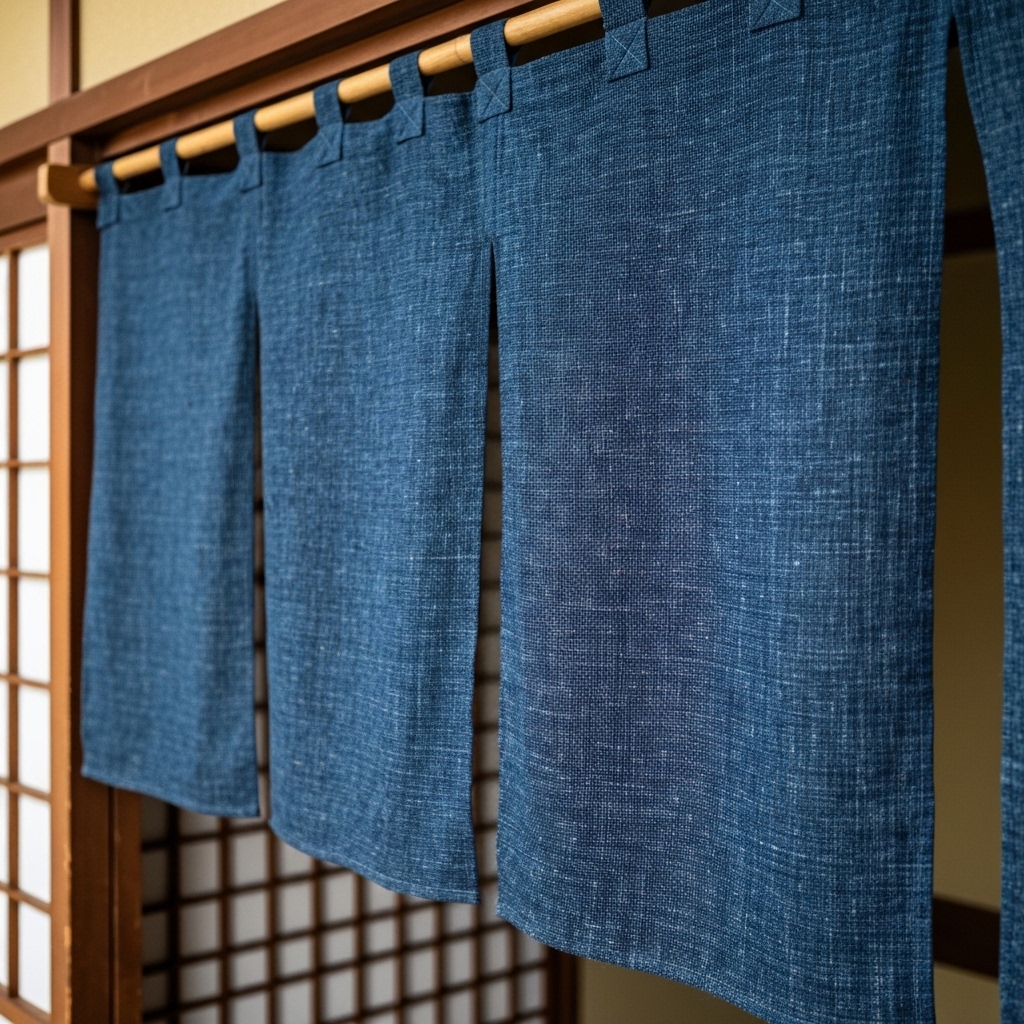
Incorporating a Cherry Blossom Noren into Your Home Decor
Room-by-room placement ideas
The versatility of a cherry blossom noren (桜暖簾) allows it to seamlessly integrate into various spaces within a home. The entryway (玄関 – genkan) is a particularly welcoming location. A shorter noren, perhaps 85cm (33.5 inches) in length, hung just inside the doorway can act as a subtle visual partition, inviting guests while offering a hint of privacy. Choose a design with sakura no nagare (桜の流れ) to suggest a sense of gentle movement and flow.
In the kitchen, consider a noren to partially obscure a pantry or utility area. A split-panel design is practical here, allowing easy access while still providing a decorative element. Aim for a length that falls just below counter height, around 70cm (27.5 inches). Remember the kitchen is a high traffic area so a strong fabric such as momen (木綿) is a great choice.
For living rooms, a longer, wider noren can soften the hard lines of a doorway or create a focal point on a blank wall. A mankai (満開) design could bring a burst of vibrant spring energy. In smaller apartments, a noren can effectively create the sense of separation without closing off space.
In the bedroom, a cherry blossom noren can contribute to a calming, restful atmosphere. Imagine a noren hung in front of a closet or used as a headboard alternative behind the bed. Soft, light-filtering materials are preferable here. Consider a design featuring chiri-zakura (散り桜), the falling petals, to promote a sense of tranquility and acceptance.
Bathrooms present a unique opportunity. A shorter noren over a storage shelf can hide toiletries while adding a touch of elegance. Because bathrooms can have high humidity, airflow is key. Avoid overly dense fabrics or tight fits to prevent moisture buildup.
Matching your cherry blossom noren with existing interior styles
A cherry blossom noren can beautifully complement a range of interior styles. In minimalist homes, simplicity is key. Opt for a noren with a single hitoeda (一枝) design on a plain background, allowing the delicate beauty of the cherry blossom to speak for itself. Colors should be muted and understated.
For a traditional Japanese aesthetic, embrace natural materials and classic designs. A noren crafted from asa (麻) - hemp/linen - with a katazome (型染め) pattern will blend seamlessly with tatami mats and shoji screens. Deeper indigo shades or earthy tones work well here.
In modern interiors, a cherry blossom noren can introduce an organic element to contrast sleek lines and contemporary furnishings. Look for designs with bolder, more abstract interpretations of cherry blossoms. Geometric patterns or unexpected color combinations can create a striking visual statement.
Expert Insight: When blending with modern interiors, consider a noren with a slightly heavier weight fabric so it falls straight without too much billowing or swaying, achieving a cleaner and more contemporary aesthetic.
Adjusting rod selection to display your cherry blossom noren effectively
The choice of rod significantly impacts how a cherry blossom noren hangs and displays. The saotooshi (竿通し) – rod pocket – size on your noren will dictate the appropriate rod diameter. Ensure the rod is slightly smaller than the pocket to allow for easy movement and prevent bunching.
For lighter-weight noren made from thin momen or asa, a simple, slender wooden dowel rod or even a bamboo pole will suffice. These rods are often readily available and complement the natural aesthetic of the noren.
Heavier noren, or those with significant embellishments, require sturdier support. Metal rods, particularly tension rods (突っ張り棒 – tsuppari-bou), offer greater stability and can be easily adjusted to fit various doorway widths without the need for drilling or mounting. See our how to hang a noren guide for detailed installation steps.
Consider the length of the rod in relation to the noren's width. A rod that is too short will make the noren appear cramped, while one that is too long can create an unbalanced look. Aim for a rod that extends slightly beyond the noren's width, perhaps by 5-10cm (2-4 inches) on each side, to allow the fabric to drape naturally. If using a tsuppari-bou, ensure sufficient tension for the weight of the noren.
Sizing and Customization Options for Cherry Blossom Noren
Understanding Standard Noren Sizes and Their Typical Applications
The versatility of a 暖簾 (noren) lies not only in its design but also in its adaptability to diverse spaces. While custom options abound, understanding standard sizes provides a solid foundation for choosing the right fit. (For a comprehensive overview of all standard and custom dimensions, check our noren size guide.) Traditionally, noren are measured in sun (寸), an old Japanese unit of measurement where one sun is approximately 3.03 centimeters or 1.19 inches. However, modern sizing is more commonly expressed in centimeters or inches, making it easier for international customers.
For a standard doorway, a noren might measure around 85cm (33.5 inches) wide and 150cm (59 inches) in length. This is a common size for shops and restaurants, offering a welcoming entrance while providing a degree of privacy. Shorter noren, often around 45cm (17.7 inches) to 90cm (35.4 inches) in length, are frequently used as window coverings or to subtly partition smaller spaces, like kitchen entrances. The width can vary depending on the application, but a general rule is to select a width slightly wider than the doorway or window frame itself. In traditional Japanese homes, you might find narrower noren, perhaps only 60cm (23.6 inches) wide, used in hallways or transitional areas. The saotooshi (竿通し) or rod pocket is usually designed to accommodate a standard tsuppari-bou (突っ張り棒), or tension rod, further simplifying installation. Keep in mind that shorter noren are less formal, more suited to casual environments.
Measuring Your Doorway or Space for the Perfect Cherry Blossom Noren Fit
Accurate measurement is essential for a seamless look. Begin by measuring the width of the doorway or space where you intend to hang the noren. Add a few centimeters (or an inch) to this measurement for a gathered effect. This allows the fabric to drape slightly, creating a more inviting appearance.
Next, determine the desired length. Consider the height of the doorway and the amount of space you want the noren to cover. A longer noren provides more privacy and can create a stronger visual impact. A shorter noren allows for more light and airflow. If you intend to hang it in a kitchen or workspace, a shorter length might be more practical to prevent it from getting in the way. When measuring, factor in the height of the rod pocket, as this will affect the overall hanging length. Consider where your rod will sit within the frame. Finally, consider the location and its use. For an entryway, a longer noren that almost touches the ground makes the space feel elegant, while in a children's room, a shorter noren is more appropriate.
Exploring Customization Options: Personalized Designs, Color Choices, and Unique Splitting Patterns
Beyond standard sizes, the world of custom noren offers almost limitless possibilities. While the falling petals of chiri-zakura (散り桜) may evoke a sense of wistful beauty, a design featuring a single, blossoming branch (hitoeda 一枝) can lend a touch of minimalist elegance. Personalization can extend to integrating family crests (家紋, kamon) or incorporating calligraphy alongside cherry blossom imagery.
Consider exploring unconventional splitting patterns. The traditional central split is most common, but off-center splits or multiple narrower splits can create a more modern or whimsical aesthetic. These splits can be functional as well. For example, an off-center split can allow easy access to a counter or workstation while still providing visual separation. In addition, it is possible to order a noren with no split at all, creating a unified panel when hung. This look is useful for window coverings or decorative wall hangings.
Beyond the cherry blossom motifs themselves, the backdrop becomes another avenue for creative expression. While traditionally muted or neutral tones are preferred, consider incorporating subtle patterns like shippo (七宝) – a geometric pattern of overlapping circles symbolizing harmony and endlessness – as a backdrop to your cherry blossoms. A subtle shippo pattern provides a sense of depth and visual interest without detracting from the main design.
Expert Insight: Before committing to a fully custom design, consider ordering a small fabric sample with your chosen cherry blossom pattern and color palette. This allows you to assess the texture, color accuracy, and overall aesthetic in your specific lighting conditions.
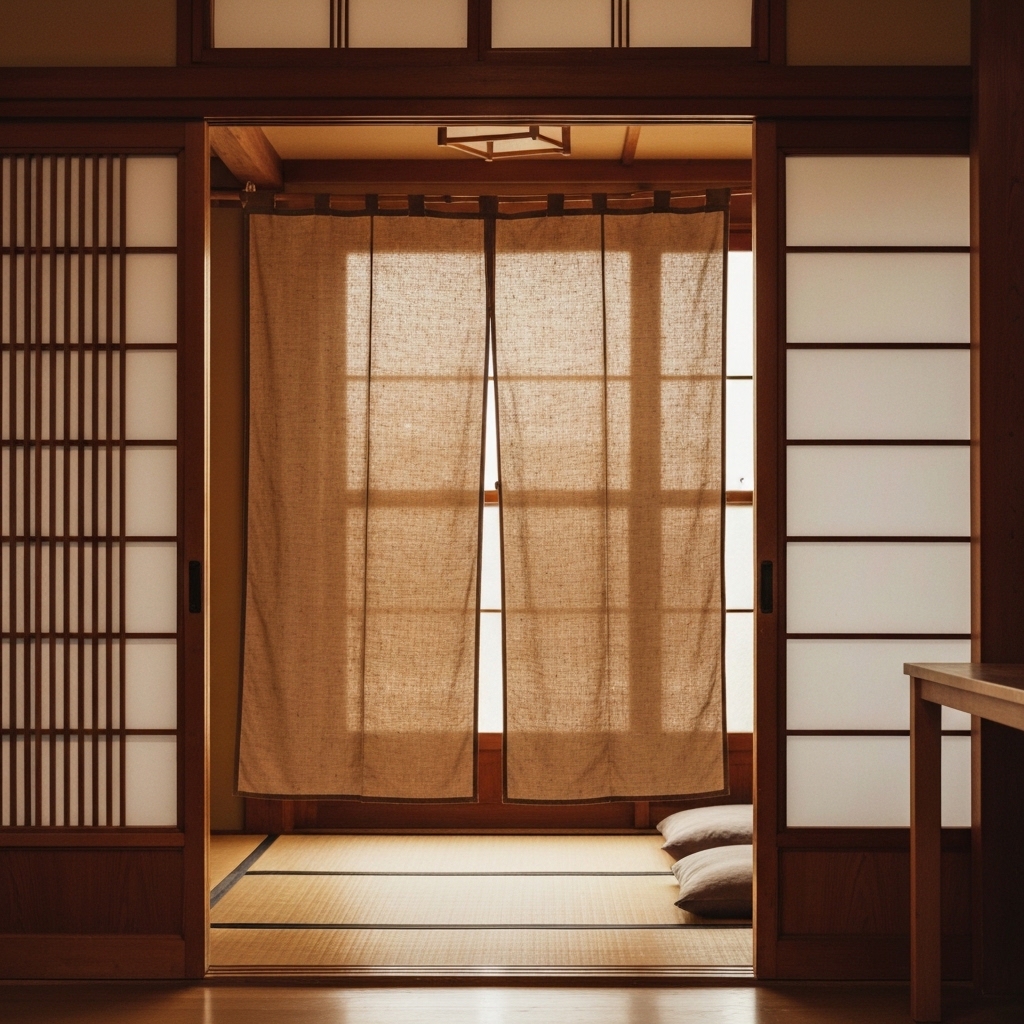
Washing and Caring for Your Delicate Cherry Blossom Noren
Maintaining the pristine condition of your cherry blossom noren ensures that its beauty endures, echoing the fleeting yet cherished nature of sakura itself. Appropriate care preserves not only the fabric's integrity but also the artistry imbued within each design. For full fabric-specific instructions, see our noren care and washing guide.
Cleaning Instructions Based on Fabric Type
Different textile compositions necessitate different cleaning approaches. For noren constructed from durable momen (木綿) or a asa (麻)-based blend, a hand-washing method is preferable to safeguard the delicate print or weave. Fill a basin or tub with lukewarm water, approximately 30°C (86°F), and add a mild, pH-neutral detergent specifically designed for delicate fabrics. Submerge the noren, gently agitating the water to loosen any accumulated dust or grime. Avoid harsh scrubbing or wringing, which can distort the fabric's shape and damage the design. Rinse thoroughly under cool, running water until all traces of detergent are removed.
While hand-washing remains the gold standard, some noren, particularly those crafted from synthetic materials, may tolerate a gentle machine wash. Place the noren inside a mesh laundry bag to prevent snagging or tearing, and select the delicate cycle with a cold water setting. Again, use a mild detergent and avoid any bleaching agents or fabric softeners. Consider adding a color catcher sheet to the wash to prevent any dye transfer, especially with darker-colored noren.
Drying and Ironing Techniques to Prevent Shrinkage or Damage to the Design
Following washing, the drying process is crucial in preserving your noren's dimensions and preventing fading. Never subject a noren to the high heat of a machine dryer, as this can cause significant shrinkage and irreversible damage to the fibers. Instead, gently press out excess water by rolling the noren in a clean, absorbent towel. Then, hang it to air dry in a shaded area, away from direct sunlight, which can fade the colors over time. Ideally, suspend the noren from a clothesline or drying rack, ensuring that it hangs straight to minimize wrinkles.
If ironing becomes necessary to remove stubborn creases, exercise extreme caution. Turn the noren inside out and place it on a padded ironing board. Set your iron to the lowest heat setting appropriate for the fabric type, and use a pressing cloth between the iron and the noren to protect the design. Avoid applying direct heat to any embellished areas, such as embroidery or appliqués. Iron in smooth, even strokes, following the grain of the fabric. If unsure about the iron's compatibility with the fabric, test a small, inconspicuous area first.
Proper Storage Methods to Maintain the Vibrancy and Longevity of Your Cherry Blossom Noren
Proper storage contributes significantly to the longevity and vibrancy of your cherry blossom noren. Before storing, ensure that the noren is completely clean and dry to prevent the growth of mold or mildew. Fold the noren neatly along its natural seams, placing acid-free tissue paper between the folds to prevent creasing and dye transfer.
Store the folded noren in a breathable cotton bag or pillowcase, away from direct sunlight, excessive humidity, and extreme temperatures. Avoid storing the noren in plastic bags, as these can trap moisture and contribute to fabric deterioration. Periodically, remove the noren from storage and air it out to prevent the build-up of mustiness.
Expert Insight: If you live in a region with high humidity, consider placing a desiccant packet (such as silica gel) inside the storage bag to absorb excess moisture and further protect your noren. You can buy these online and at most big-box stores, often in the home organization section.
Beyond the Doorway: Creative Uses for a Cherry Blossom Noren
The versatility of a noren extends far beyond simply adorning a doorway. Their fabric construction and often captivating designs lend themselves beautifully to alternative applications throughout the home, offering a unique way to introduce Japanese aesthetics and a touch of sakura charm into unexpected places.
Using Cherry Blossom Noren as Wall Art or Tapestries
A sakura noren, particularly one featuring a bold, graphic design or a more abstract representation of cherry blossoms, can serve as an eye-catching piece of wall art. Consider the scale of your wall when selecting a noren. A longer noren, perhaps 150cm (approximately 59 inches) in length, could be mounted vertically to create a dramatic focal point. Shorter noren, around 70-90cm (27-35 inches) in length, work well grouped together to form a gallery wall effect.
Instead of a traditional rod, consider alternatives for hanging your noren as art. For a clean, modern look, carefully stretch the noren across a canvas frame and secure it with staples on the back. This creates a gallery-wrapped effect. Another option is to use decorative clips or clothespins to attach the noren to a length of twine or rope, hung horizontally. This imparts a more rustic, informal feeling, especially when paired with natural fibers like hemp (asa). You can also explore using washi tape along the top edge to adhere the noren directly to the wall, though be cautious when removing it to avoid damaging the fabric or the wall.
Expert Insight: When hanging your noren as wall art, consider the lighting. Spotlights or strategically placed lamps can highlight the details of the design and bring out the vibrancy of the colors.
Repurposing Vintage or Damaged Noren into Smaller Decorative Items
The beauty of well-worn or slightly damaged noren shouldn't be discarded. These pieces, imbued with character and history, can be given new life as smaller decorative items. Imagine a noren depicting chiri-zakura (falling petals) that has suffered a small tear. Instead of discarding it, carefully cut out intact sections of the fabric.
These sections can be transformed into:
- Coasters: Cut squares of fabric, approximately 10cm x 10cm (4 inches x 4 inches), and sandwich them between layers of felt or cork for heat protection.
- Placemats: Larger sections, around 30cm x 45cm (12 inches x 18 inches), can be hemmed to create unique placemats. Consider adding a backing fabric for extra durability.
- Small pouches or drawstring bags (巾着 - kinchaku): Using simple sewing techniques, even small scraps can be used to create charming pouches for storing jewelry or small trinkets.
- Patches for clothing: Intact sakura motifs can be carefully cut out and used as patches to add a touch of Japanese style to jackets, bags, or jeans.
This repurposing approach embraces the Japanese concept of mottainai (勿体無い), recognizing the inherent value in objects and minimizing waste.
Adapting a Cherry Blossom Noren as a Room Divider or Temporary Screen
Beyond doorways, a noren can serve as a flexible and aesthetically pleasing room divider or temporary screen. This is particularly useful in smaller apartments or open-plan living spaces where creating distinct zones is desired without the commitment of permanent walls.
Instead of hanging the noren in a doorway, consider using a taller, wider noren suspended from the ceiling to create a visual barrier. For this purpose, a noren measuring approximately 120cm (47 inches) wide and 180cm (71 inches) long can be effective. A lightweight tension rod (tsuppari-bou) can be used to suspend the noren between two walls, or it can be hung from hooks attached to the ceiling.
Another approach involves using a folding screen (屏風 - byoubu) as a frame for the noren. Simply drape the noren over the screen, securing it with clips or fabric glue. This creates a beautiful and easily movable room divider. A simpler version can be made by stretching the noren between two tall, sturdy plants or standing lamps. The key is to find a stable and visually appealing way to support the fabric.