Noren Room Divider: Authentic Japanese Curtains for Your Home
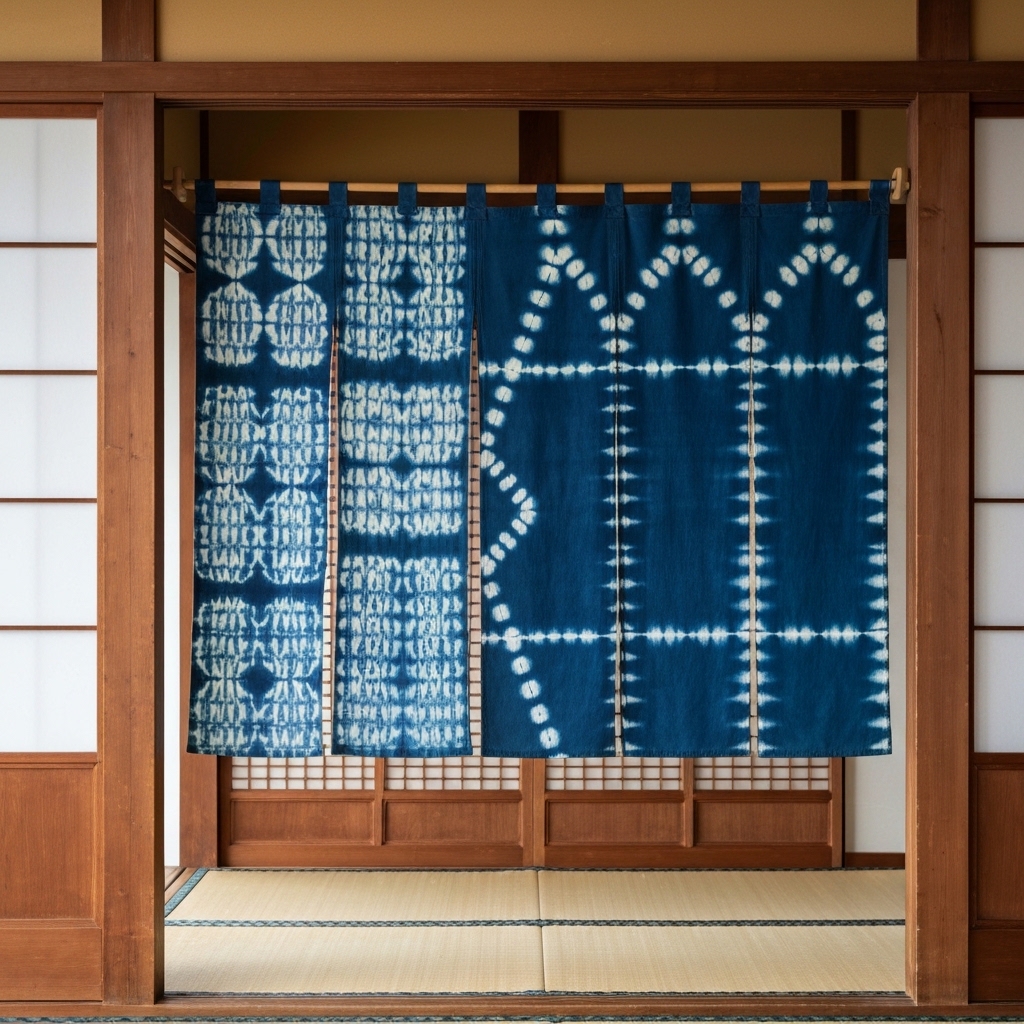
Understanding Noren Room Dividers: Design and Function
History and Cultural Significance of Noren
The 暖簾 (noren), those ubiquitous fabric dividers hanging in doorways across Japan, are far more than just pretty decorations. Their history is deeply interwoven with Japanese commerce and culture, and understanding this heritage provides a richer appreciation for their modern uses. Noren originated during the Edo period (1603-1868), primarily as a visual marker for businesses. A noren displayed at the entrance indicated that a shop was open for business, and the fabric often bore the shop's name or logo, acting as a subtle form of branding long before the age of neon signs.
Think of walking down a traditional shopping street. The noren outside a soba shop, boldly proclaiming its name, gently swaying in the breeze, instantly signals "noodle time!" The colors and patterns, often dyed using traditional techniques like 藍染め (aizome – indigo dyeing), also subtly communicated information. For example, a short, dark noren might denote a humble, well-established eatery, while a longer, more elaborately decorated one could indicate a higher-end establishment.
Beyond shops, noren were also used in homes, particularly in kitchens and between rooms. These domestic noren served practical purposes – shielding the cooking area from view, providing a degree of privacy, and even helping to keep drafts at bay. The materials used would vary; sturdy 木綿 (momen – cotton) for everyday use, or perhaps 絹 (kinu – silk) for more formal occasions.
Even today, the noren carries a weight of tradition. A freshly laundered and hung noren at a family-run business is a sign of pride and meticulousness, conveying a sense of history and dedication to quality. It's a cultural symbol that speaks volumes, quietly whispering stories of generations past. The symbolism of the noren extends beyond the practical. The act of passing through a noren can be seen as a symbolic transition, marking the crossing of a threshold from one space or state to another.
Noren as Interior Design Element: Modern Applications
While rooted in tradition, the noren has seamlessly transitioned into a versatile modern interior design element. Its adaptability is remarkable. In contemporary homes, noren can act as stylish room dividers, adding a touch of Japanese aesthetics to any space. They are used to soften doorways, create visual interest, and define areas within open-plan living spaces.
You'll see them used in various ways: to separate a dining area from a living room in a small apartment, to add a decorative touch to a closet opening, or even as a unique headboard alternative in a bedroom. The material choices are broader than ever, ranging from traditional 麻 (asa – hemp/linen) and 綿 (men – cotton fabric) to modern synthetics, allowing for a wide range of textures and colors. Designs range from minimalist geometric patterns to intricate floral motifs and even custom-printed images.
The size of a noren is also highly customizable. For help choosing the right dimensions for your space, see our noren size guide. While traditional noren often measure around 85cm (33.5 inches) wide, the length varies depending on the application. A short noren, often called 半暖簾 (han-noren – half noren), might be used over a doorway to a kitchen, while a longer noren could reach the floor, creating a more dramatic room separation. The 竿通し (saotooshi – rod pocket) at the top of the noren allows for easy installation using a simple rod, often a 突っ張り棒 (tsuppari-bou – tension rod) for damage-free hanging. Consider the overall aesthetic of your space and choose a noren that complements your existing décor. For a minimalist look, opt for a plain linen noren in neutral tones. For a more vibrant feel, choose a noren with bold colors and patterns.
Functional Benefits: Privacy, Light Control, and Sound Dampening
Beyond aesthetics, noren offer several practical benefits. They provide a degree of privacy without completely closing off a space, allowing for airflow and a sense of openness. The thickness and material of the noren affect its ability to block light and dampen sound. A thicker, heavier fabric will provide more privacy and block more light than a thin, sheer fabric.
Consider using a noren in a home office to create a visual barrier between your workspace and the rest of the house, allowing you to focus on your work without feeling completely isolated. In a bedroom, a noren can be used to cover a closet opening, providing a stylish alternative to a traditional door while also helping to keep dust out.
While not a replacement for proper soundproofing, a noren can help to absorb some sound, particularly in smaller spaces. This is especially true for noren made from thicker, textured fabrics. The folds and layers of the fabric help to break up sound waves, reducing echo and reverberation. While a thin linen noren might not do much to dampen sound, a thicker cotton or even a felt noren can make a noticeable difference.
Expert Insight: Before purchasing a noren, measure the width of the doorway or opening where you plan to hang it. Choose a noren that is slightly wider than the opening to create a visually appealing gathered effect. Typically, adding about 15-20cm (6-8 inches) to the width of the opening is a good rule of thumb.
Material Matters: Choosing the Right Fabric for Your Noren
Fabric Options: Linen, Cotton, Hemp, and Synthetic Blends
The character of a 暖簾 (noren) is deeply influenced by the fabric from which it is crafted. Each material brings its own unique texture, drape, and visual appeal, making the selection process an integral part of customizing your space.
While synthetic blends offer advantages like increased stain resistance and affordability, the traditional preference in Japan leans toward natural fibers. Cotton (綿, men or 木綿, momen) is a popular choice for its versatility and relative ease of care. Consider the weave – a tighter weave will provide more privacy, while a looser weave allows more light to filter through. Linen and hemp (麻, asa), though sometimes used interchangeably in casual conversation, possess subtly different textures. True hemp, especially, boasts a noticeably coarser feel and a more rustic appearance, perfectly suited for a farmhouse or wabi-sabi aesthetic. Linen has a crisper handle. Both linen and hemp exhibit excellent breathability, important in humid environments. Silk (絹, kinu) noren are rare but exude luxury and are found usually in high-end restaurants or traditional tea rooms.
Remember that the choice is not just about aesthetics, but also about how the fabric will behave in its environment. Consider how light will interact with the fabric, how it will feel to the touch, and how easy it will be to maintain. For a deeper comparison of each material, consult our noren materials guide.
Understanding Fabric Weight and Opacity
The weight of a fabric, typically measured in grams per square meter (gsm) or ounces per square yard (oz/yd²), directly affects its drape and opacity. A heavier fabric will naturally hang straighter and offer more privacy, while a lighter fabric will billow more readily and allow greater light penetration. Opacity and weight are closely linked. A very lightweight cotton voile, for instance, will be quite sheer, while a heavyweight canvas offers substantial privacy.
In Japan, you'll find that the weight is chosen carefully depending on the location and purpose. For a storefront noren, a mid-weight cotton or linen is common – durable enough to withstand repeated use and the elements, yet still light enough to move gracefully in the breeze. For a noren used as a room divider within a home, the choice is more flexible and can be tailored to desired privacy level and aesthetic.
Consider how the light will affect the appearance of the fabric. A light-colored, sheer noren can create a bright and airy feel, while a dark, heavier fabric can add a sense of intimacy and seclusion. Backlighting the noren is another technique; the effect will be markedly different depending on opacity.
Expert Insight: Before committing to a fabric, drape a sample over a doorway in the intended location and observe how it looks at different times of day. This will give you a better understanding of its opacity and how it interacts with the natural light.
Considerations for Durability, Environment and Climate
The durability of your noren should be a primary consideration, especially if it will be placed in a high-traffic area or exposed to direct sunlight or moisture. Cotton, while versatile, can be susceptible to fading and shrinking if not properly cared for. Linen and hemp tend to be more durable and resistant to fading, but they may wrinkle more easily. Synthetic blends often offer the best durability and stain resistance, but they may lack the natural texture and feel that many find desirable.
The climate of your region will also play a role in the best fabric choice. In humid climates, breathable fabrics like linen and hemp are preferred, as they allow air to circulate and prevent the build-up of moisture. In drier climates, cotton may be a more suitable choice. Sunlight exposure is also a factor; prolonged exposure to direct sunlight can cause fading and weaken the fibers of certain fabrics.
Finally, consider the environmental impact of your choice. Natural fibers like cotton, linen, and hemp are generally considered to be more sustainable than synthetic fabrics, as they are biodegradable and renewable. However, the production of cotton can be water-intensive, so it's important to consider the source of the fabric and whether it is sustainably produced.
Noren Dimensions and Customization: Achieving the Perfect Fit
Standard Noren Sizes and Doorway Measurements
Navigating noren sizes can feel overwhelming initially, but it’s quite straightforward once you understand the common dimensions. While regional variations exist, particularly in older establishments using antique noren, contemporary sizes generally adhere to certain standards. The goal is to choose a noren that complements the doorway without dragging on the floor or appearing too small.
A typical noren for a standard doorway (出入り口, deiriguchi) often ranges from 85cm (approximately 33.5 inches) to 90cm (approximately 35.4 inches) in width. This width works well for most residential and commercial spaces. Length (丈, take) is more variable. Shorter noren, around 90cm to 120cm (35.4 to 47.2 inches), are common in kitchens or over counters where visibility is desired. Longer noren, from 150cm to 180cm (59 to 71 inches), provide more privacy and a dramatic visual effect, often seen in restaurants or dividing living spaces.
When measuring your doorway, consider not just the opening itself but also the height at which you intend to hang the noren. If using a tension rod (突っ張り棒, tsuppari-bou), measure the inside width of the door frame at your desired height. Remember to account for the "竿通し" (saotooshi), the rod pocket, at the top of the noren. This usually adds a few centimeters to the overall length.
Consider the placement of any existing fixtures, like light switches, that the noren might obstruct.
Customization Options: Length, Width, and Slit Placement
Beyond standard sizes, the true beauty of noren lies in their adaptability. Customization allows you to create a piece perfectly tailored to your space and aesthetic. Many artisan workshops in Japan (and increasingly, online retailers) offer bespoke noren creation services.
Length adjustment is the most common customization. Perhaps you want a floor-length noren for a dramatic effect or a shorter one to allow for airflow. Width can also be adjusted to fit unusually wide doorways or to create a more gathered look on a standard-sized opening.
The slits (割れ, ware) are another important consideration. While a single slit is most traditional, multiple slits or a completely solid noren (rare, but possible) are options. The placement and depth of the slits influence how easily one can pass through the noren and the visual texture it creates. Deeper slits encourage easier passage, while more shallow slits retain a greater sense of privacy.
When ordering a custom noren, communicate your precise measurements clearly, preferably in centimeters, to avoid any misunderstandings. Provide detailed sketches or diagrams if necessary, especially regarding slit placement. Discuss the intended use of the noren with the artisan; they can offer valuable advice based on their experience.
Expert Insight: Request a sample of the fabric before committing to a custom order. Colors can appear different online or in photographs.
Installation Methods: Rods, Tension Rods, and Hooks
While hanging hardware may have been discussed generally, this section is about specifics. Traditional noren installation relies on a simple rod passed through the saotooshi (rod pocket). The rod is then supported by brackets attached to the wall or door frame. The brackets can be ornate metal designs or simple wooden pegs, depending on the desired aesthetic.
Tension rods (tsuppari-bou) are a popular, damage-free alternative. These rods expand and contract to fit snugly within the doorway. Ensure you choose a rod strong enough to support the weight of your noren, especially if it is made of heavier material. Measure the doorway precisely before purchasing a tension rod, as they have specific length ranges. For a complete overview of installation methods, see our guide on how to hang a noren curtain.
Hooks offer another installation option, particularly for lighter-weight noren. Small adhesive hooks can be attached to the door frame, and the noren is then hung using loops sewn into the top edge or by attaching small rings. This method is less common but useful for temporary installations or when avoiding any drilling or permanent fixtures. Consider the weight capacity of the hooks and the strength of the adhesive to prevent the noren from falling. A variation of hooks can be screw-in eyelets with decorative rope to hang the noren.
Design Inspirations: Enhancing Your Space with Noren Room Dividers
Japanese Motifs: Incorporating Traditional Patterns and Symbols
Beyond their practical use, 暖簾 (noren) offer a canvas for showcasing the rich visual language of Japan. Think of them as miniature works of art that subtly communicate taste and tradition. Instead of simply choosing a color, consider the symbolic weight a pattern carries.
For instance, the seigaiha (青海波), a pattern of layered concentric arches resembling waves, signifies peace and good fortune because of the tranquility of the ocean. You'll often see this used at the entrance of traditional ryokan or upscale restaurants. Another frequent motif is the kiku (菊), or chrysanthemum, the imperial flower and a symbol of longevity and rejuvenation. A noren featuring a kiku crest might add a touch of elegance and formality to a living room or study.
Less formal but equally evocative patterns include depictions of auspicious creatures like the crane (tsuru, 鶴) which embodies long life and marital harmony, or the playful koi (鯉) carp symbolizing perseverance and success. Seasonal motifs are also prevalent. A noren depicting sakura (桜) blossoms would herald the arrival of spring, while maple leaves (momiji, 紅葉) would signal autumn.
When considering traditional patterns, pay attention to the artistic style. A bold, graphic representation will lend a different feel than a more painterly, detailed rendering. Even within the same motif, variations abound. Look carefully at the quality of the print or weave – does it look mass-produced, or does it have the subtle imperfections that hint at handcrafted origin? This can significantly impact the overall aesthetic.
Modern and Minimalist Noren Designs
While steeped in tradition, 暖簾 (noren) have evolved far beyond purely historical applications. Modern Japanese interiors embrace minimalist aesthetics, and this is reflected in the design of contemporary noren.
Think of clean lines, geometric shapes, and a restrained color palette. Solid colors, particularly in natural tones like indigo (from 藍染め, aizome), beige, and grey, are popular choices. Abstract patterns, often inspired by nature but simplified to their essential forms, also feature prominently. A noren in a single, subtly textured 麻 (asa – hemp/linen) fabric — such as a linen noren curtain — can create a tranquil and sophisticated ambiance.
The key is to maintain a sense of ma (間), the Japanese concept of negative space. Avoid overly busy patterns or clashing colors. For more style ideas across traditional and contemporary aesthetics, see our noren design ideas. A noren with a single, striking graphic element, such as a circle or a square, can be far more impactful than a design that's cluttered with detail.
Consider the texture of the fabric as well. A coarsely woven linen noren will bring a different feel than a smooth, fine 木綿 (momen – cotton) one. Experiment with sheer or semi-sheer fabrics to create a sense of lightness and airiness. Remember that minimalism isn't about being devoid of character, but about achieving maximum impact with minimal elements.
Using Noren to Create Visual Interest and Define Spaces
暖簾 (noren) are incredibly versatile tools for adding visual interest and delineating spaces without resorting to permanent walls or heavy furniture. Think beyond simply hanging one in a doorway.
Consider using a noren as a headboard alternative for a bed. A longer noren, extending to the floor, can create a dramatic backdrop and add a touch of texture to the bedroom. In a studio apartment, a strategically placed noren can visually separate the sleeping area from the living space, providing a sense of privacy without completely closing off the room. If you're renting, noren are an ideal solution — learn more in our noren for apartments and rentals guide.
Experiment with layering multiple noren. Hanging two or three noren of different lengths or patterns in front of each other can create a dynamic and visually complex effect. Choose complementary colors or patterns that share a common element to ensure a cohesive look. This works particularly well in larger spaces where you want to create a focal point.
Another innovative approach is to use a noren as a window treatment. A lightweight linen noren can diffuse sunlight and add a touch of privacy without blocking the view entirely. The soft, flowing fabric will create a calming and serene atmosphere.
Expert Insight: When using a 暖簾 (noren) to visually divide a space, be mindful of the line of sight. Consider the height and placement of the noren to ensure that it effectively obscures unwanted views while still allowing light and air to circulate freely. For example, hanging a slightly shorter noren (perhaps 120-150 cm or 47-59 inches in length) a bit higher can create a sense of separation without making the space feel cramped.
Maintaining Your Noren Room Divider: Cleaning and Care
While a 暖簾 (noren) adds a touch of Japanese aesthetics to your space, proper maintenance is crucial to ensure its beauty and longevity. Consider your noren an investment worth protecting, just like any piece of art or fine textile. The frequency of cleaning depends on several factors: location (high-traffic area vs. quiet corner), material, and exposure to direct sunlight. A noren displayed in a kitchen, for instance, will naturally require more frequent attention than one adorning a doorway leading to a seldom-used guest room.
Washing and Ironing Instructions Based on Fabric Type
Instead of blanket washing instructions that could damage delicate materials, let’s talk about proactive prevention. One of the most effective ways to minimize the need for harsh cleaning is consistent dusting or vacuuming. A soft brush attachment on your vacuum cleaner can gently remove surface dust and debris, especially from heavier fabrics like thick 木綿 (momen=cotton). Do this every few weeks to prevent grime from setting in.
However, when washing becomes necessary, the gentlest approach is always best. Hand washing is preferable for all but the sturdiest noren. If machine washing is unavoidable, use a mesh laundry bag to protect the fabric from excessive abrasion. Choose a delicate cycle with cold water. Harsh detergents are the enemy; opt for a pH-neutral soap specifically designed for delicate fabrics.
Avoid the clothes dryer at all costs. The high heat can shrink, fade, and damage the fibers, especially natural ones. Instead, hang your noren to air dry away from direct sunlight. Sunlight can cause fading, particularly in brightly colored or 藍染め (aizome=indigo dyed) fabrics.
Ironing should also be approached with caution. Always iron on a low setting, and use a pressing cloth between the iron and the fabric. This is especially important for fabrics with printed designs, as direct heat can damage the print. For 絹 (kinu=silk) noren, professional dry cleaning is highly recommended to preserve the fabric's delicate nature.
Stain Removal Tips for Noren
Addressing stains promptly is key to successful removal. The longer a stain sits, the harder it becomes to eradicate. First, identify the nature of the stain. Is it oil-based (food splatter), water-based (mud), or something else entirely? Avoid rubbing the stain, as this can spread it and further embed it into the fibers. Instead, gently blot the stain with a clean, white cloth.
For minor, water-based stains, try blotting with a mixture of cool water and a small amount of mild detergent. For oil-based stains, a dab of cornstarch or baking soda can help absorb the oil before blotting with a clean cloth. Always test any cleaning solution on an inconspicuous area of the noren first to ensure it doesn't cause discoloration or damage.
Stubborn stains may require professional cleaning. Don't hesitate to seek the advice of a reputable dry cleaner who specializes in delicate fabrics. Inform them of the fabric type and the nature of the stain for the best possible results. Remember that attempting aggressive stain removal techniques on delicate fabrics can cause irreversible damage, so proceed with caution.
Proper Storage and Longevity
When not in use, proper storage is paramount to preserving your noren. Avoid storing it in direct sunlight or in areas with high humidity, as both can damage the fabric over time. Before storing, ensure the noren is completely clean and dry. Even a small amount of moisture can lead to mold or mildew growth.
Fold the noren neatly along its seams to minimize creasing. Placing acid-free tissue paper between the folds can further protect the fabric. Store the folded noren in a breathable cotton bag or pillowcase. Avoid using plastic bags, as they can trap moisture and promote mildew growth.
For long-term storage, consider placing the noren in a cedar chest or adding cedar chips to the storage bag. Cedarwood is a natural insect repellent and can help protect the fabric from moths and other pests. Inspect your stored noren periodically for any signs of damage or discoloration. Addressing issues promptly can prevent them from escalating into more significant problems. With proper care and storage, your 暖簾 (noren) can grace your home for many years to come.
Expert Insight: To refresh a slightly wrinkled noren without ironing, hang it in a steamy bathroom while you shower. The steam will naturally release the wrinkles. Just be sure the fabric isn't directly exposed to splashing water.
DIY Noren Projects: Creating Your Own Unique Divider
Simple Sewing Techniques for Noren Construction
Embarking on your noren creation journey needn't be daunting, even for novice sewers. The core construction involves surprisingly simple techniques. A basic straight stitch is the foundation, used for hemming the edges and creating the rod pocket (竿通し). The rod pocket's width depends on your chosen rod – a standard 突っ張り棒 (tsuppari-bou) usually requires a 5-7 cm (2-2.75 inch) allowance.
Consider a "sandwich" construction for added durability, especially for nopren exposed to higher traffic or frequent use. This involves layering your chosen fabric with a lightweight interfacing, sewing it together as one piece before proceeding with the hemming and rod pocket.
For the characteristic vertical slit(s) – often one or multiple depending on design and width – reinforce the top corners with small, triangular patches of fabric on the backside. This prevents tearing with repeated opening and closing. Hand-stitching these reinforcements offers greater control and a neater finish, particularly with thicker fabrics. Think of it as mimicking the reinforced corners on traditional furoshiki wrapping cloths – a testament to Japanese attention to detail.
Expert Insight: Before cutting your fabric, pre-wash it thoroughly to account for shrinkage. Nothing is more disheartening than a perfectly sewn noren becoming too short after its first wash!
Adding Custom Embellishments: Appliqués, Embroidery, and Dyeing
Transform your noren from functional divider to personalized art piece through embellishment. Appliqués offer a fantastic way to introduce bold designs. Consider using felt or scraps of kimono silk (絹) for a textured, culturally-inspired touch. Hand-stitching appliqués with decorative stitches like blanket stitch adds further visual interest.
Embroidery elevates the tactile experience. Simple sashiko-inspired patterns, using thick white thread on indigo-dyed fabric, evoke a rustic charm. For a more intricate design, explore traditional Japanese embroidery techniques, adapting them to your noren's scale. Motifs like cherry blossoms (桜 – sakura), cranes (鶴 – tsuru), or waves (波 – nami) connect your creation to the art historical canon.
While complex dyeing processes like 藍染め (aizome) might be best left to experienced artisans, simpler dyeing techniques can still yield stunning results. Ombre dyeing, creating a gradient effect from light to dark, can be achieved with readily available dyes. Tie-dyeing, using Shibori techniques for example, offers another avenue for unique pattern creation. Remember to always follow the dye manufacturer's instructions meticulously.
Repurposing Fabrics and Materials for a Sustainable Noren
Embrace the ethos of mottainai (勿体無い) – the Japanese concept of avoiding waste – by crafting your noren from repurposed materials. Old kimonos, their vibrant patterns often too beautiful to discard, are a treasure trove. Deconstruct them carefully, preserving as much usable fabric as possible. Consider patching together smaller pieces to create a unique, mosaic-like noren.
Vintage table linens, curtains, or even sturdy canvas drop cloths can be transformed. Denim jeans, when cut and pieced together, create a rugged, industrial-chic divider. Explore your local thrift stores for unique finds.
Beyond fabrics, consider incorporating natural elements. Bamboo scraps can be used to create a decorative header, replacing the traditional rod pocket. Dried flowers or pressed leaves can be incorporated as appliqués, adding a touch of organic beauty. Consider using hemp twine or repurposed rope for hanging. The possibilities are limited only by your imagination and commitment to sustainable practices. Creating a noren from repurposed materials not only reduces waste but also imbues your divider with a unique history and character.