Noren Curtains: Meaning, History & Japanese Shop Tradition
Unveiling the Noren: What is a Noren? Meaning, History, and Purpose
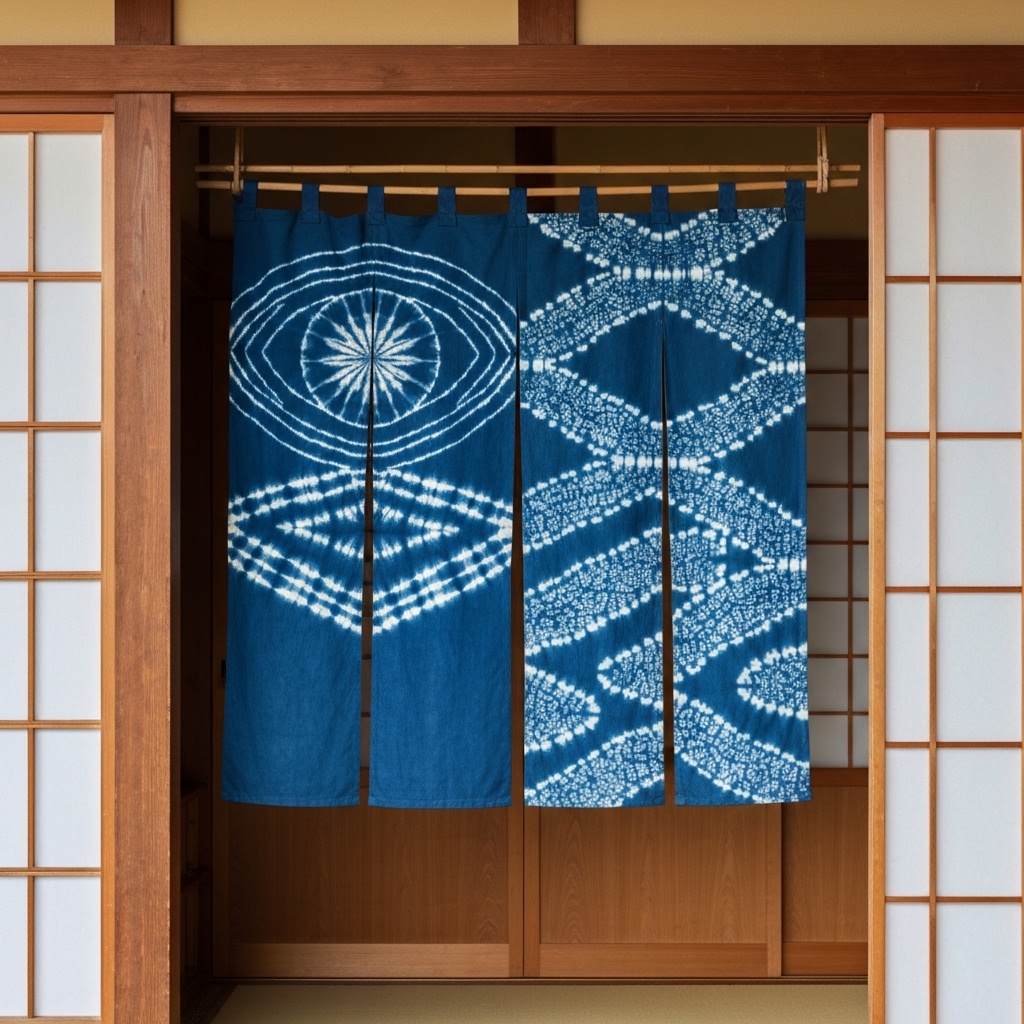
The noren (暖簾), that ubiquitous fabric divider you see gracing the entrances of shops, restaurants, and even homes across Japan, is far more than a mere curtain. It's a cultural artifact, steeped in history, imbued with symbolism, and deeply intertwined with the everyday fabric of Japanese life. Having spent over 15 years immersed in this beautiful country, I've come to appreciate the subtle nuances and profound significance that a simple noren can hold. Let's pull back the fabric and explore the world of noren together.
Defining Noren: Beyond a Simple Curtain
At its most basic, a noren is a traditional Japanese fabric divider, typically hung between rooms, in doorways, or on windows. Often split into one or more vertical panels from the bottom to allow passage, it serves a variety of purposes, from indicating a business is open to providing privacy and acting as a decorative element. However, reducing it to just a “curtain” would be a grave oversimplification.
Imagine strolling through the shotengai (商店街), a traditional shopping street. The vibrant array of noren beckons you into each establishment, each one a silent invitation, a visual cue to the goods and services offered within. A dark blue noren with white kanji outside a soba (蕎麦) shop practically screams, “Hot noodles await!” A noren adorned with a sake bottle emblem signals a izakaya (居酒屋) – a Japanese pub – promising a lively evening.
Typical noren are rectangular, often measuring about 85cm (33.5 inches) wide and 150cm (59 inches) long, though sizes can vary considerably depending on their intended use. A smaller noren, sometimes called a han noren (半暖簾), might only cover the top half of a doorway, while a nagare noren (流れ暖簾), a longer and flowing variety, might be used inside to divide spaces or add a decorative touch. The fabric itself ranges from sturdy cotton for everyday use to luxurious silk or linen for special occasions. The materials, the colors, the patterns – all contribute to the story the noren tells.
Expert Insight: When hanging a noren, consider the height. The bottom edge should ideally be a comfortable height for people to pass through without having to bend significantly. This is often around chest height. For detailed installation instructions, see our guide on how to hang a noren curtain.
The Etymology of 'Noren': Tracing the Word's Roots
Delving into the etymology of the word noren sheds light on its historical function. The term noren (暖簾) is believed to have originated from the word nuku-ren (温簾), a combination of nuku (温), meaning "warm," and ren (簾), meaning "screen" or "blind." The kanji characters themselves reflect this meaning: 暖 (dan) means "warmth" or "heat," and 簾 (ren) means "bamboo blind" or "screen."
This origin hints at the noren's initial purpose: to provide insulation and protection from the elements. Early versions, possibly dating back to the Heian period (794-1185), were likely made from thicker, heavier materials and used to shield interiors from cold drafts or strong sunlight. The "warm screen" aspect of the name suggests that these early noren were valued for their ability to create a more comfortable indoor environment.
Over time, the practical function of temperature control evolved and expanded, as did the noren itself. The association with businesses and commerce became increasingly prominent, solidifying the noren as a powerful symbol of establishment and goodwill.
Functional Origins: From Shop Signs to Home Dividers
The noren's journey from a simple draft excluder to a prominent commercial symbol is a fascinating one. In the Edo period (1603-1868), with the rise of a merchant class and bustling urban centers, the noren began to take on its modern form. Shops started using noren to advertise their businesses and differentiate themselves from competitors. The noren became a visual shorthand, communicating the type of goods or services offered within.
A noren emblazoned with the family crest (家紋, kamon) of a sake brewery, for example, would instantly signal its trade. The color, the fabric, and the design all contributed to the overall message. A pristine white noren might indicate a restaurant specializing in tofu dishes, while a noren dyed with indigo (藍染, aizome) could signify a shop selling handcrafted textiles.
Beyond the commercial realm, noren also found their place in the home. Used to divide rooms, create privacy, or simply add a decorative touch, they became an integral part of traditional Japanese interior design. In a small apartment, a noren could separate the kitchen area from the living space, offering a sense of enclosure without completely closing off the room.
Even today, you'll find noren used in various ways in modern homes. They can serve as closet doors, window coverings, or simply as decorative accents to add a touch of Japanese aesthetics to any space.
Evolving Symbolism: Status, Identity, and Seasonality
The symbolism embedded within a noren goes far beyond simply indicating the type of business. The noren can also convey a sense of status, reflect the identity of the business owner, and even mark the changing seasons.
The condition of a noren, for instance, can speak volumes. A well-maintained, clean noren suggests a prosperous and reputable establishment. A faded or tattered noren, on the other hand, might indicate a business that is struggling or has been around for a very long time (which in some cases, can be a positive thing – a sign of tradition and trustworthiness). A shop owner might ritually replace their noren on New Year's Day to signify a fresh start and renewed commitment to their business.
The design elements on a noren can also be highly symbolic. Motifs like cranes (鶴, tsuru) represent longevity and good fortune, while carp (鯉, koi) symbolize perseverance and success — you can explore more of these traditional Japanese noren motifs in our dedicated guide. Certain colors also carry specific meanings. Red (赤, aka) is often associated with good luck and warding off evil, while blue (青, ao) can represent freshness and cleanliness.
Furthermore, noren can be changed seasonally to reflect the time of year. In spring, you might see noren adorned with cherry blossoms (桜, sakura), while in autumn, motifs of maple leaves (紅葉, momiji) would be more common. This seasonal variation is a testament to the Japanese appreciation for nature and the changing rhythms of the year.
The noren, therefore, is not just a functional object; it's a canvas for cultural expression, a reflection of history, and a subtle but powerful symbol of Japanese identity. Each thread woven into its fabric tells a story, inviting us to pause, appreciate, and delve deeper into the rich tapestry of Japanese culture.
A Timeline of Textiles: The History of Noren Materials and Techniques
Early Materials: Hemp, Cotton, and Natural Dyes
The earliest noren, emerging from the practical needs of merchants and homes, were inherently tied to the readily available materials of the time. Hemp (麻, asa), boasting robustness and breathability, was a frontrunner. Its coarse texture, while lacking the refinement of later fabrics, offered unparalleled durability – crucial for noren enduring the wear and tear of daily exposure to sun, wind, and foot traffic. Imagine thick, roughly woven hemp noren, dyed in simple earth tones, marking the entrance to a sake brewery or a humble noodle shop hundreds of years ago. The imperfections in the weave and dye were not flaws but rather testaments to the noren's handmade origins and practicality.
While hemp served as the initial workhorse, cotton (綿, men) gradually gained prominence as cultivation spread throughout Japan. The story of cotton cultivation in Japan is a fascinating one in itself, with initial cultivation efforts meeting with difficulties due to the Japanese climate. However, through dedication and adaptation, cotton flourished, ultimately offering a softer, more pliable alternative to hemp. Cotton’s ability to hold dye more effectively opened new possibilities for intricate designs and vibrant colours that would become hallmarks of later noren styles. The subtle drape of cotton, even in its early forms, presented a different aesthetic, one that hinted at sophistication beyond sheer utility. Think of a farmer's home, proudly displaying a simple cotton noren dyed with a family crest. The shift to cotton signifies a move beyond purely functional needs towards a desire for personal expression and visual identity.
The colours of these early noren were derived almost exclusively from natural sources. Plant-based dyes like indigo (藍, ai), madder (茜, akane), and safflower (紅花, benibana) provided the palette. The process of extracting these dyes was labour-intensive, requiring careful harvesting, processing, and fermentation. Each region developed its own unique variations and techniques, resulting in subtle differences in colour and hue across Japan. The knowledge of these natural dye processes was often passed down through generations, closely guarded secrets that contributed to the individuality and regional character of noren. These weren't just colours; they were stories of the land, the seasons, and the accumulated wisdom of artisans.
The Rise of Indigo (Aizome) and its Significance
Indigo dyeing, or aizome (藍染め), quickly rose to prominence and became inextricably linked with Japanese textiles, especially noren. The deep, captivating blue hues derived from the indigo plant resonated deeply within Japanese culture, symbolising everything from strength and resilience to good fortune and protection. For a deeper look at this iconic dyeing tradition, see our guide to indigo noren and aizome meaning. The colour's association with samurai armour further cemented its place as a revered and powerful shade.
The beauty of aizome lies not just in its colour, but also in its complexity. The dyeing process is a multi-stage fermentation process involving meticulous control of temperature, pH levels, and oxygen exposure. Skilled artisans, often working with vats of indigo dye passed down through generations, carefully monitored the fermentation process, adjusting variables to achieve the desired shade and intensity. Repeated dipping and oxidation steps were required to build up the desired depth of colour, a time-consuming process that demanded patience and expertise. The indigo dye bath, a living entity, was carefully nurtured and maintained.
Different regions of Japan became known for their unique indigo dyeing techniques, leading to a diverse range of blue hues. Tokushima Prefecture, for example, was renowned for its "Awa Ai" (阿波藍), a particularly vibrant and high-quality indigo. Other regions developed their own distinctive variations, resulting in a spectrum of blues ranging from pale sky blues to deep, almost black indigos. These regional variations added another layer of complexity and richness to the art of aizome, transforming simple cloth into unique expressions of place and tradition.
Indigo's practicality also contributed to its popularity. Beyond its aesthetic appeal, indigo dye possesses natural antibacterial and insect-repellent properties, making it an ideal choice for textiles used in everyday life. This was particularly important for noren used in shops and restaurants, where hygiene was a primary concern. The ability of indigo to protect against insects and bacteria further solidified its position as a functional and aesthetically pleasing choice.
Expert Insight: When examining an antique indigo-dyed noren, look closely at the depth and variation of the colour. Unevenness and subtle shading are often hallmarks of authentic aizome, revealing the hand-crafted nature of the dyeing process. Collectors of vintage noren prize these subtle imperfections as proof of authenticity.
Development of Weaving and Dyeing Techniques: Katazome, Tsutsugaki, and Yuzen
As the demand for more intricate and decorative noren grew, artisans developed sophisticated weaving and dyeing techniques. Katazome (型染め), a stencil dyeing technique, allowed for the creation of repeating patterns and complex designs with greater precision and efficiency. Thin stencils, often made from durable paper treated with persimmon tannin, were carefully placed on the fabric, and dye was applied through the cut-out areas. This process could be repeated multiple times with different stencils and colours to create intricate multi-layered designs. The precision of katazome enabled the production of noren with detailed depictions of landscapes, floral motifs, and auspicious symbols.
Tsutsugaki (筒描), a freehand paste-resist dyeing technique, offered a more expressive and individualistic approach to noren design. In this technique, rice paste, applied through a cone-shaped tube (the tsutsu), was used to create outlines and patterns on the fabric. Once the paste dried, the fabric was dyed, and the paste was then removed, leaving behind the undyed areas. Tsutsugaki allowed artisans to create bold, dynamic designs with a distinctive handmade feel. Family crests, lucky charms, and scenes from folklore were often rendered in tsutsugaki, transforming noren into unique works of art. The paste protects the material underneath while the dye saturates all exposed areas.
Yuzen (友禅染), originally developed for kimono decoration, also found its way into noren design, bringing a new level of artistry and sophistication. Yuzen involves a complex process of resist dyeing, painting, and steaming, allowing for the creation of incredibly detailed and colourful designs. Fine lines, subtle gradations, and intricate shading could be achieved with yuzen, transforming noren into miniature canvases. Yuzen-dyed noren, often featuring elaborate landscapes and figurative scenes, were particularly popular in upscale restaurants and teahouses. The adoption of yuzen represents a significant shift in noren design, elevating them from purely functional objects to expressions of artistic skill and cultural refinement.
The rise of these techniques also fostered specialization within the textile industry. Artisans focused on mastering specific techniques, leading to increased skill levels and higher quality output. The development of specialized tools and materials further enhanced the efficiency and precision of these techniques. The noren industry became a vibrant ecosystem of skilled craftspeople, each contributing their unique expertise to the creation of beautiful and functional textiles.
Modern Materials and Printing Technologies
The 20th and 21st centuries brought significant changes to noren production, driven by technological advancements and the introduction of new materials. Synthetic dyes, offering a wider range of colours and greater colourfastness, gradually replaced natural dyes in many applications. While some artisans continue to uphold the traditions of natural dyeing, synthetic dyes provided a more cost-effective and efficient alternative for mass production. The availability of brighter, more vibrant colours expanded the creative possibilities for noren design, while also raising concerns about the environmental impact of synthetic dyes.
Screen printing and digital printing technologies revolutionized the way noren were produced. Screen printing, a stencil-based printing technique, allowed for the rapid and efficient production of noren with repeating patterns and logos. Digital printing, on the other hand, enabled the creation of highly detailed and photorealistic designs with unprecedented speed and flexibility. These technologies democratized noren design, making it possible for businesses and individuals to create custom noren with their own unique artwork and branding.
While traditional materials like hemp and cotton remain popular, new synthetic fabrics have also found their way into noren production. Polyester and nylon offer advantages in terms of durability, water resistance, and ease of maintenance. These synthetic materials are particularly well-suited for noren used outdoors or in high-traffic areas. The use of modern materials and printing technologies has transformed the noren industry, making it more accessible and adaptable to the needs of contemporary society.
Despite these changes, the essence of the noren – its function as a symbol of welcome, identity, and cultural heritage – remains unchanged. While modern materials and printing technologies have altered the methods of production, the enduring appeal of the noren lies in its ability to connect us to the rich history and traditions of Japan. The humblest hemp curtain to the digitally printed family emblem continue the narrative.
Decoding the Design: Common Motifs and Their Hidden Messages
Noren are more than just decorative fabric; they’re visual storytellers, conveying information about the space they adorn, the people within, and even the season itself. The motifs used on noren are rich with cultural significance, offering a glimpse into Japanese values and traditions. Understanding these designs unlocks a deeper appreciation for the artistry and intention behind each piece.
Kamon (Family Crests) and Their Importance
The kamon (家紋), or family crest, is a powerful symbol of lineage and identity in Japan. For centuries, these emblems have represented families, much like coats of arms in European heraldry. Displaying a kamon on a noren served to immediately identify the occupants of a building, establishing a sense of prestige and belonging. The practice is particularly prevalent in older businesses, passed down through generations.
A kamon design is typically circular, featuring stylized depictions of plants, animals, objects, or geometric patterns. There are literally thousands of registered kamon, each with its own unique history and meaning. Some of the most common include the kiri (桐, paulownia), often associated with the imperial family; the mokko (木瓜, quince), a symbol of good fortune and fertility; and various floral motifs such as the sakura (桜, cherry blossom) and fuji (藤, wisteria).
The size and placement of the kamon on a noren are also significant. A larger, more prominent crest signifies a family's long-standing history and influence. Conversely, a smaller, more discreet kamon might indicate a newer establishment or a more reserved family. In some cases, multiple kamon might be displayed, representing alliances or familial connections.
The use of kamon on noren extends beyond private residences. Traditional businesses, such as sake breweries or soy sauce manufacturers, often incorporate their family crest into their logo and prominently display it on their noren, establishing a sense of tradition and trustworthiness. Consider a traditional ryokan (旅館, Japanese inn). The noren at the entrance frequently bear the innkeeper's kamon, welcoming guests with a symbol of hospitality and heritage.
Expert Insight: Before commissioning a noren with a kamon, it's crucial to confirm its accuracy and proper usage with a knowledgeable source or professional designer. Incorrectly displaying a kamon can be seen as disrespectful.
Seasonal Patterns: Cherry Blossoms, Maple Leaves, and More
Beyond family identification, noren often reflect the changing seasons, embracing the Japanese appreciation for the natural world. These seasonal patterns are not merely decorative; they are a celebration of the ephemeral beauty of nature and a reminder of the cyclical nature of life.
- Spring: The quintessential spring motif is undoubtedly the sakura (桜, cherry blossom). Its delicate beauty symbolizes renewal, hope, and the fleeting nature of life (mono no aware – 物の哀れ). Noren adorned with cherry blossoms are frequently displayed during hanami (花見, cherry blossom viewing) season.
- Summer: Summer noren often feature refreshing motifs such as ajisai (紫陽花, hydrangea), representing the rainy season and resilience. Other popular choices include kingyo (金魚, goldfish), evoking the cool, flowing water of summer festivals, and uchiwa (団扇, traditional fan), a symbol of relief from the summer heat.
- Autumn: As the leaves change, momiji (紅葉, maple leaves) take center stage. Their vibrant red hues symbolize passion, beauty, and the transition of seasons. The tsuki (月, moon), particularly the full moon, is another popular autumn motif, often depicted with reeds or pampas grass.
- Winter: Winter noren might feature yuki no kessho (雪の結晶, snowflakes), delicate representations of the season's beauty. Pine branches (matsu – 松) symbolize longevity and resilience, enduring even through the harsh winter months.
The use of seasonal motifs on noren provides a subtle yet powerful way to communicate with customers and guests. A restaurant might display a noren with maple leaves in the autumn to signal the availability of seasonal dishes featuring ingredients harvested during that time. Similarly, a shop might display a noren with cherry blossoms in the spring to celebrate the arrival of new merchandise inspired by the season. These seasonal patterns act as a visual calendar, keeping people attuned to the rhythm of the year.
Lucky Charms and Auspicious Symbols: Daruma, Maneki Neko, and Waves
Japanese culture is rich in symbolism, and many lucky charms and auspicious symbols find their way onto noren. These motifs are intended to bring good fortune, ward off evil, and promote prosperity.
- Daruma (達磨): The Daruma doll is a symbol of perseverance and determination. These round, hollow dolls are often purchased with blank eyes. When setting a goal, one eye is painted in. Once the goal is achieved, the other eye is filled in. A Daruma on a noren symbolizes the business owner’s commitment to success.
- Maneki Neko (招き猫): The beckoning cat, or Maneki Neko, is a popular symbol of good luck, especially for businesses. The raised paw is believed to attract customers and bring prosperity. A Maneki Neko on a noren is a common sight at the entrance of shops and restaurants. A right paw raised brings financial luck, while a left paw attracts customers.
- Waves (波): Water, particularly in the form of waves, is a potent symbol in Japanese culture. Waves represent resilience, strength, and the ebb and flow of life. The seigaiha (青海波, blue sea wave) pattern, consisting of overlapping concentric circles representing waves, is a classic motif often seen on noren.
- Cranes (鶴): The crane (tsuru) is a symbol of longevity, happiness, and good fortune. Cranes are often depicted in pairs, representing marital harmony and long life together.
- Koi (鯉): The koi fish symbolizes perseverance, strength, and good fortune, based on the legend of koi swimming upstream to become dragons.
These auspicious symbols are frequently combined with other motifs to create even more complex and nuanced meanings. For example, a noren might feature a Maneki Neko holding a gold coin, further emphasizing its association with wealth and prosperity. The deliberate selection and arrangement of these symbols reflect the owner's hopes and aspirations for the business or household.
Shop Names and Business Logos: Visual Branding in Traditional Style
Beyond purely symbolic designs, noren are often used to prominently display shop names and business logos, acting as a form of visual branding in a traditional Japanese style. This practice blends functionality with artistry, creating a unique and recognizable identity for the establishment.
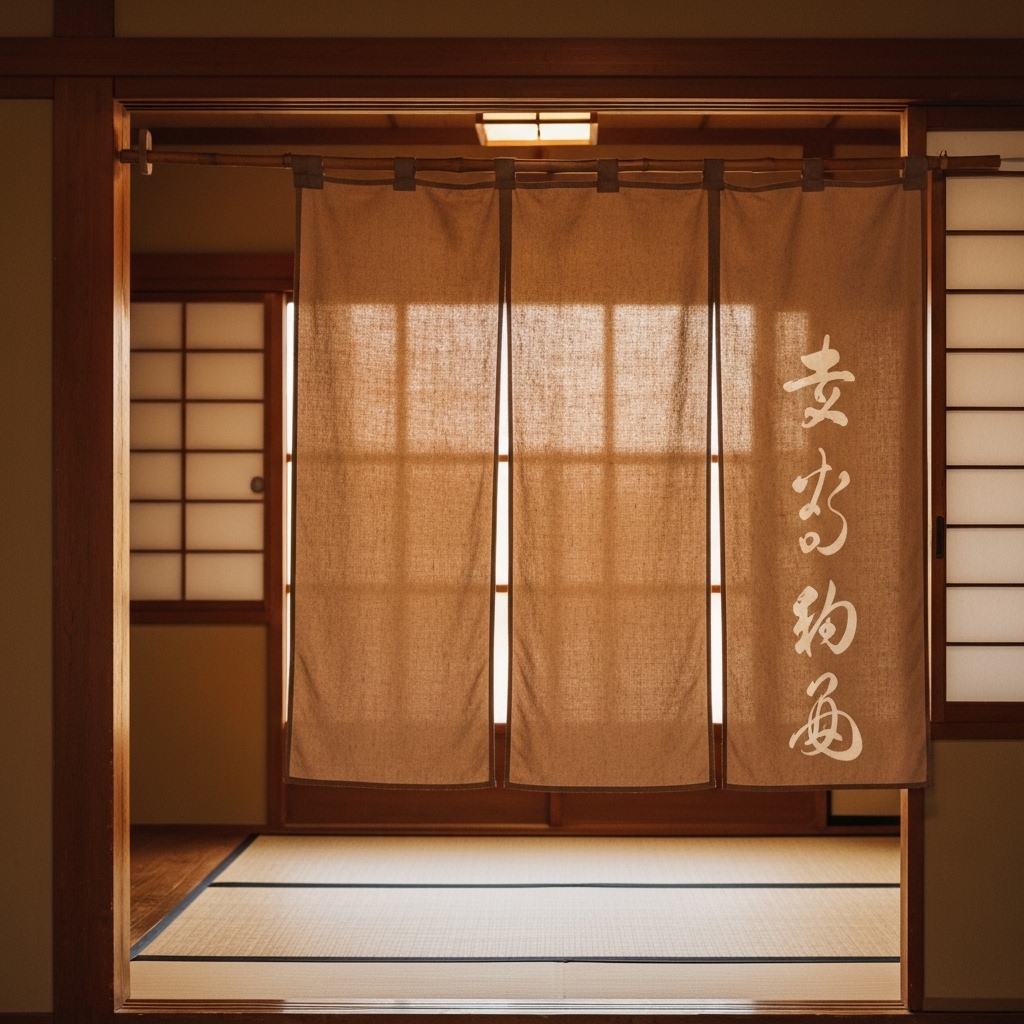
The shop name, often written in bold kanji (漢字, Chinese characters) or hiragana (平仮名, Japanese phonetic script), is typically the most prominent element of the design. The font choice is also significant, with different styles conveying different impressions. A calligraphic font might evoke a sense of tradition and elegance, while a more modern font might suggest innovation and contemporary style.
In addition to the shop name, many businesses incorporate their logo into the noren design. This might be a stylized representation of the company's product or service, or a more abstract symbol that reflects the company's values. For example, a tea shop might feature a stylized image of a tea leaf, while a restaurant specializing in sushi might incorporate a wave pattern into its logo.
The arrangement of the shop name and logo on the noren is also carefully considered. They are often placed in a way that is both visually appealing and easy to read from a distance. The use of contrasting colors can further enhance the visibility of the design. The noren acts as a distinctive marker, differentiating a shop from its neighbors and solidifying its identity within the community. The dimensions of the noren are factored into the design; a wider noren will allow for more elaborate displays, while a shorter noren may necessitate a more concise logo.
The combination of traditional motifs, auspicious symbols, and modern branding elements on noren creates a unique and compelling form of visual communication. They not only identify the establishment but also convey its values, history, and aspirations, welcoming customers and guests with a sense of warmth and tradition.
Noren in Practice: Types and Placements for Different Spaces
Having lived in Japan for as long as I have, you quickly come to appreciate the subtle ways that noren (暖簾) enhance daily life. They aren't just decorations; they are functional art that shapes our experiences within a space. While the basic concept remains the same – a fabric divider – the specific type and placement of a noren dramatically affect its role and impact. Let’s delve into some common variations and how they are thoughtfully employed.
Short Noren (Han Noren) for Kitchens and Counter Displays
Han noren (半暖簾), meaning "half noren", are characterized by their shorter length. Typically, they range from about 30 cm to 90 cm (roughly 12 to 35 inches) in height. You'll often find them gracing the entrances to kitchens in restaurants, particularly izakaya (居酒屋, Japanese pubs) and ramen shops. Functionally, a han noren allows customers to peek inside, creating a sense of anticipation and transparency, while still providing a visual barrier and subtly indicating that the kitchen is a "backstage" area. The staff, simultaneously, maintain a quick and easy portal for deliveries and communication.
Beyond the kitchen, han noren are exceptionally popular for counter displays. Think of a traditional confectionery shop (wagashi-ya, 和菓子屋) with neatly arranged sweets behind a counter. A han noren might hang just above the counter, showcasing the shop’s name or logo, and perhaps even a seasonal motif. This placement elegantly frames the merchandise without obstructing the view. The noren essentially becomes a visual extension of the counter, drawing the eye and creating a unified presentation. In some smaller establishments, a han noren might act as a makeshift sign, placed just inside the doorway to announce that the business is open or to advertise a special.
The material used for han noren in commercial settings often needs to be durable and easy to clean. Thicker weaves are common. You'll also notice that the slits in a han noren tend to be deeper than those in longer versions. This is purely practical: it allows staff to pass through quickly and easily, often carrying trays or hot dishes.
Long Noren (Naga Noren) for Entrances and Room Dividers
In contrast to their shorter cousins, naga noren (長暖簾), or "long noren", are designed to provide more substantial coverage. These typically hang from ceiling height and can reach lengths of 150 cm (about 59 inches) or more. Their primary function is to define spaces, provide privacy, or create a sense of transition. The entrance to a traditional ryokan (旅館, Japanese inn) is a classic example. A long noren often hangs at the doorway, bearing the inn’s name and acting as a welcoming beacon.
Within a home, naga noren are often used as room dividers. In older Japanese houses, where walls are sometimes minimal, a noren can create a sense of separation between the living room and the kitchen, or between sleeping and dining areas. They are particularly useful in smaller apartments where space is limited and flexibility is valued. A naga noren softens the visual lines of a room, creating a more relaxed and intimate atmosphere.
Naga noren are not always hung directly in doorways. Sometimes, they are suspended slightly away from the wall to create a layered effect, or to visually "narrow" a wide hallway. The fabric and designs chosen for naga noren used as room dividers are often more elaborate and decorative than those used in commercial settings. These are often chosen to compliment the interior decor.
The weight and drape of a naga noren are particularly important considerations. A heavier fabric will hang more gracefully and provide more substantial visual separation, while a lighter fabric will allow more light and air to pass through, creating a more ephemeral feel.
Specialized Noren: Mizuhiki Noren and Other Unique Designs
Beyond the standard han noren and naga noren, there are many specialized types designed for particular purposes or aesthetic effects. One especially beautiful example is the mizuhiki noren (水引暖簾). Mizuhiki is the ancient art of tying decorative knots, typically using tightly wound paper cords. These knots are often used for celebratory occasions such as weddings and New Year’s. A mizuhiki noren incorporates these intricate knots into the design, creating a delicate and visually stunning curtain. These are less about providing privacy and more about adding a touch of refined elegance to a space. You might find a mizuhiki noren in a high-end kaiseki (懐石, multi-course Japanese haute cuisine) restaurant, or in the entrance to a traditional tea room.
Another unique variation is the hiyakke noren (冷やっけ暖簾), used during the summer months. These noren are often made from lighter, more breathable fabrics and are sometimes dyed with indigo to create a cooling visual effect. The designs often feature seasonal motifs such as goldfish, water plants, or even calligraphy that evokes the refreshing feeling of a summer breeze.
Beyond these established types, you might encounter noren made from unusual materials such as bamboo, washi paper, or even reclaimed fabrics. These more contemporary designs reflect a growing interest in sustainable living and artistic expression.
Choosing the Right Noren for Your Space: Considering Size and Placement
Selecting the appropriate noren for your space is a matter of both function and aesthetics. Consider the following factors:
-
Purpose: What do you want the noren to achieve? Is it primarily for privacy, decoration, or creating a sense of transition? Answering this first question will immediately narrow down the options. For instance, if the main goal is to obscure the contents of a messy kitchen, a darker, heavier fabric in a naga noren style is a better choice than a sheer han noren.
-
Dimensions: Carefully measure the space where you intend to hang the noren. Consider both the width and the height. For doorways, the noren should be slightly wider than the opening to allow for a gentle drape. The length should be appropriate for the desired level of coverage. A han noren should ideally fall just below eye level when standing. A naga noren might reach to just above the floor, or slightly shorter to allow for easy movement.
-
Design and Motifs: The design of the noren should complement the existing decor of the space. Consider the colors, patterns, and overall style. A traditional Japanese room might call for a noren with classic motifs, while a more modern space might benefit from a simpler, more abstract design. Ensure the motifs don't inadvertently clash with existing artwork or furniture; you want harmony, not visual discord.
-
Material: Is the space prone to moisture or heavy traffic? If so, durability is key. Consider how often you plan to wash the noren and choose a material that is easy to care for. Lighter, more delicate materials might be better suited for rooms with less exposure.
-
Hanging Method: Consider how you will hang the noren. The most common method is to use a tension rod that fits inside the noren's top sleeve. However, you can also use hooks or even clips, depending on the style and weight of the noren. Ensure that the hanging method is secure and appropriate for the type of noren you have chosen.
Expert Insight: Before committing to a specific noren, try draping a piece of similar fabric in the intended location to get a sense of the size, drape, and how it interacts with the light in the room. This simple test can save you from making a costly mistake and ensure that you choose a noren that truly enhances your space.
Crafting Your Own Noren: A DIY Guide to Basic Techniques
The allure of a noren (暖簾) is undeniable, from the humblest shop curtain to the most elaborate artist-designed piece. But what if you could capture that essence and create your own, infused with personal meaning? Crafting a noren offers a tangible connection to Japanese tradition, and it’s a surprisingly accessible project even for beginners.
Choosing Fabric and Tools: A Beginner's Checklist
Embarking on your noren-making journey begins with assembling the right tools and supplies. Think of it as gathering your omotenashi (おもてなし) for the craft itself—preparing everything with care and consideration. Beyond the basics, consider the character you want your noren to embody: will it be rustic and textured, or refined and smooth?
Here’s a checklist to get you started, focusing on readily available options:
- Cutting Surface: A self-healing cutting mat is invaluable for accurate cuts and protecting your work surface. Look for one at least 60cm x 90cm (approximately 24 x 36 inches).
- Rotary Cutter or Fabric Scissors: A rotary cutter makes quick work of straight lines, especially with a cutting ruler. High-quality fabric scissors are also a must.
- Cutting Ruler: Opt for a clear acrylic ruler, at least 30cm (12 inches) long, for accurate measurements. Metal rulers can also work, but be cautious not to damage your cutting tools.
- Marking Tools: Tailor's chalk ( chakopen, チャコペン) or fabric markers that disappear with water or heat are essential for transferring designs. Always test on a scrap of the chosen material first!
- Thread: Choose thread that complements or subtly contrasts with your chosen material. Cotton or polyester thread in a medium weight is generally suitable for most projects.
- Sewing Machine (Optional): While a sewing machine will speed up the process, a noren can certainly be hand-sewn.
- Hand Sewing Needles: A variety pack with different sizes will prove useful for various tasks, from hemming to creating hanging loops.
- Iron and Ironing Board: A well-ironed material is key to a professional-looking finished product.
- Hanging Rod: A simple wooden dowel, bamboo pole ( takezao, 竹竿), or even a decorative branch can serve as the hanging rod. Ensure it's sturdy enough to support the weight of your finished noren.
- Dye Supplies (if dyeing): This will depend on your chosen dyeing technique (see next section).
- Stencils (if stencil printing): Pre-cut stencils or materials to create your own (cardboard, acetate).
Expert Insight: Visit your local tokyu hands (東急ハンズ) or equivalent craft store for a wide selection of Japanese-made tools and supplies. The quality is often superior, and the experience of browsing is part of the joy.
Simple Dyeing Techniques: Tie-dye and Stencil Printing
Dyeing allows you to add unique patterns and colors to your noren, transforming a plain piece of material into a personalized work of art. While complex dyeing methods exist, tie-dye and stencil printing offer accessible entry points for beginners.
Tie-dye:
Tie-dye, in its essence, involves resisting the dye in certain areas of the cloth through various tying, folding, and clamping techniques. Though not traditionally Japanese, adapting these methods with shibori (絞り) inspiration allows for distinctive effects.
- Prepare the Material: Wash and iron your chosen material to remove any sizing.
- Choose Your Technique: Experiment with different binding methods. Classic spirals, crumple folds, and pleating are all viable options. Secure the material tightly with rubber bands or string.
- Prepare the Dye Bath: Follow the dye manufacturer's instructions carefully. Wear gloves and work in a well-ventilated area.
- Dyeing: Submerge the tied material in the dye bath, ensuring even coverage. Agitate gently for the recommended time.
- Rinse and Remove Bindings: Rinse thoroughly under cold water until the water runs clear. Carefully remove the rubber bands or string.
- Wash and Dry: Wash the dyed material separately in cold water with a mild detergent. Tumble dry on low or hang to dry.
Stencil Printing:
Stencil printing ( sutenshiru insatsu, ステンシル印刷) offers a more controlled way to apply patterns and designs. While katazome (型染め), a traditional Japanese stencil dyeing technique, requires specialized tools, simplified versions can be achieved with basic supplies.
- Create or Purchase a Stencil: You can buy pre-cut stencils or create your own from cardboard or acetate. For intricate designs, consider using a craft knife or laser cutter.
- Prepare the Material: Iron your chosen material and lay it flat on a protected surface.
- Secure the Stencil: Position the stencil on the material and secure it with painter's tape to prevent it from shifting.
- Apply the Dye or Paint: Use a sponge, brush, or stencil brush to apply the dye or fabric paint evenly over the stencil. Avoid applying too much pressure, which can cause the dye to bleed under the stencil.
- Remove the Stencil: Carefully lift the stencil straight up to avoid smudging the design.
- Heat Set (if necessary): Some fabric paints require heat setting with an iron to make them permanent. Follow the manufacturer's instructions.
- Allow to Dry: Allow the dyed or painted material to dry completely before hemming or further processing.
Basic Sewing Techniques: Hemming, Slits, and Hanging Loops
Once your material is dyed and dried, it’s time to assemble your noren. The key sewing techniques involve hemming the edges, creating the signature central slit(s), and adding hanging loops.
Hemming:
Hemming provides a clean, finished edge to your noren and prevents fraying. A simple double-fold hem is suitable for most projects.
- Fold and Iron: Fold the edge of the material over by approximately 1cm (½ inch) and iron to create a crease.
- Fold Again: Fold the edge over again by another 1cm (½ inch), encasing the raw edge. Iron again to secure the fold.
- Sew: Sew along the folded edge, close to the inner fold, using a straight stitch. Repeat for all four edges.
Creating Slits:
The central slit is a defining feature of the noren. The number and depth of the slits can vary depending on the intended use and aesthetic.
- Mark the Slit(s): Use a ruler and tailor's chalk to mark the desired position and length of the slit(s). Typically, a noren has one central slit or two slits equally spaced. The slit should extend from the bottom edge upwards, usually stopping about 10-15cm (4-6 inches) from the top edge.
- Sew the Edges: Sew along the marked lines for the slit(s) using a straight stitch, reinforcing the beginning and end of each slit with a backstitch.
- Cut the Slit(s): Carefully cut along the marked line(s) between the stitched lines.
- Hem the Slit Edges: Fold and iron the raw edges of the slit(s) inwards, creating a narrow hem. Sew along the folded edge to secure the hem, preventing fraying.
Hanging Loops:
Hanging loops allow you to suspend your noren from a rod or dowel. These can be simple fabric loops or more elaborate constructions.
- Cut Fabric Strips: Cut strips of material approximately 5-7cm (2-3 inches) wide and 10-15cm (4-6 inches) long, depending on the desired size of the loops.
- Fold and Sew: Fold each strip in half lengthwise, right sides together, and sew along the long edge to create a tube.
- Turn Right Side Out: Turn the tube right side out using a loop turner or safety pin. Iron flat, with the seam centered.
- Attach the Loops: Fold each loop in half and position it at the top edge of the noren, evenly spaced. The raw edges of the loop should align with the raw edge of the noren.
- Sew in Place: Sew the loops securely to the top edge of the noren, ensuring they are firmly attached. The loops are usually spaced 10-15 cm (4-6 inches) apart, depending on the width of the noren.
- Finish the Top Edge: Fold the top edge of the noren over to encase the raw edges and the base of the loops. Iron and sew along the folded edge to create a clean, finished top hem, securing the loops in place.
Designing Your Own Noren: Sketching and Inspiration
The design of your noren is where your creativity truly shines. Whether you draw inspiration from traditional Japanese motifs or opt for a completely original design, sketching your ideas beforehand is crucial.
Start by considering the purpose of your noren. Will it adorn a doorway, a window, or a wall? What message do you want to convey? What colors resonate with you and the surrounding space?
Here are some avenues to explore for design inspiration:
- Nature: Japanese art is replete with natural motifs – cherry blossoms ( sakura, 桜), bamboo ( take, 竹), maple leaves ( momiji, 紅葉), waves ( nami, 波), and mountains ( yama, 山) are all timeless choices.
- Geometric Patterns: Traditional Japanese patterns such as asanoha (麻の葉, hemp leaf), shippou (七宝, overlapping circles), and kikkou (亀甲, tortoise shell) offer visually striking and symbolic designs.
- Family Crests (Kamon, 家紋): While traditionally associated with family lineage, kamon can also be adapted or reinterpreted to represent personal values or interests. Many online resources showcase a vast array of kamon designs.
- Calligraphy (Shodō, 書道): Incorporating a single kanji character or a short phrase in elegant calligraphy can add a touch of sophistication and meaning to your noren. Consider words like "peace" ( heiwa, 平和), "happiness" ( shiawase, 幸せ), or the name of your business or home.
- Abstract Designs: Don't be afraid to experiment with abstract shapes, lines, and colors to create a modern and unique noren.
Once you have a general idea, start sketching. Experiment with different layouts, motifs, and color schemes. Don't worry about perfection at this stage; the goal is to explore possibilities and refine your vision.
Expert Insight: Visit local temples and shrines and observe the noren used there. Notice the fabrics, colors, and motifs. Even photographing these noren and studying them later can spark design ideas. Don’t just look at shops; sacred spaces are often less commercialized and have more traditional approaches.
The Art of Display: How to Hang and Style Your Noren
So, you've chosen or even crafted your noren, congratulations! But the journey doesn't end there. In Japan, the way a noren is hung is just as important as the design itself. It's about creating a pleasing visual experience, ensuring functionality, and respecting the aesthetic principles that underpin Japanese design. A hastily hung or poorly chosen rod can detract from even the most beautiful noren. Let's delve into the nuances of noren presentation.
Choosing the Right Hanging Rod: Materials and Sizes
The tsuppari-bo (突っ張り棒), or tension rod, is the most common method for hanging noren in Japan. These rods utilize a spring mechanism to create pressure against the doorframe or wall, holding them securely in place without requiring any drilling or permanent fixtures. This is especially appreciated in rentals or historical buildings.
When selecting a tsuppari-bo, consider both the noren's width and weight. A flimsy rod might sag in the middle or even collapse under the weight of a heavier noren, particularly one made from thicker weave. Look for rods specifically designed to handle the expected load. The product description will usually list a maximum weight capacity.
Beyond functionality, consider the rod's appearance. While simple, utilitarian rods are perfectly acceptable, especially for back-of-house areas in restaurants, you might want something more decorative for the front of your home or business. Wooden rods, often bamboo-inspired, add a touch of warmth and natural elegance. Metal rods with brushed finishes can offer a sleek, modern look.
Rods come in a variety of adjustable lengths. Measure the width of the space where you intend to hang the noren and choose a rod that falls within that adjustable range, ideally towards the middle of its capacity. This provides the most stable hold. A noren typically hangs just below the doorframe or opening, so the rod should be positioned accordingly.
-
Material Considerations:
- Bamboo: Offers a natural, traditional aesthetic. Best suited for lightweight noren.
- Wood (Various Finishes): Provides versatility to match different interior styles. Select hardwoods for heavier noren.
- Metal (Stainless Steel, Aluminum): Durable and modern. Consider brushed or matte finishes to avoid excessive glare.
-
Sizing Example: If your doorway is 85cm (33.5 inches) wide, choose a tsuppari-bo that adjusts from, for example, 70cm-120cm (27.5 inches - 47 inches). This allows ample room for secure tension.
Proper Installation Techniques: Ensuring a Secure and Aesthetic Display
Installing a tsuppari-bo might seem straightforward, but a few key steps can ensure a secure and visually pleasing result.
- Clean the Surface: Before installation, thoroughly clean the surfaces where the rod will make contact with the doorframe or wall. Dust, grease, or other debris can reduce the rod's grip and lead to slippage.
- Adjust the Length: Extend the tsuppari-bo slightly beyond the desired length. This creates the necessary tension for it to stay in place.
- Position and Twist: Carefully position the rod horizontally in the desired location. Twist the rod (usually by turning the inner section) to continue extending it until it feels firmly in place.
- Test for Stability: Gently tug on the rod to test its stability. If it moves easily, twist it further until it is secure. Be careful not to overtighten, as this could damage the surrounding surfaces.
- Even Distribution: Ensure that the noren is evenly distributed across the rod. Avoid bunching it up on one side, as this can create uneven weight distribution and potentially cause the rod to slip.
- Visual Check: Step back and assess the overall appearance. Is the noren hanging straight? Is the rod visible? Make any necessary adjustments to achieve the desired look.
For heavier noren or those exposed to drafts, consider using small, clear adhesive hooks to provide additional support. These can be placed discreetly above the noren and attached to the doorframe.
Expert Insight: For particularly wide openings, using two tsuppari-bo side-by-side can provide added stability and prevent sagging. Disguise them by matching their color to the noren or the surrounding wall.
Styling Tips: Complementing Your Interior Design
A noren is more than just a functional divider; it's a decorative element that can enhance your interior design. Here's how to integrate it seamlessly into your space:
- Harmonize with Existing Colors: Consider the existing color palette of the room when choosing a noren. Select colors that complement or contrast purposefully with your furniture, walls, and other accessories. This doesn't necessarily mean matching exactly, but rather creating a harmonious visual relationship.
- Balance Patterns: If your room already features bold patterns, opt for a noren with a simpler design or solid color to avoid visual overload. Conversely, if your room is relatively minimalist, a noren with a striking pattern can add a focal point.
- Consider the Scale: The size of the noren should be proportional to the size of the opening. A noren that is too small will look insignificant, while one that is too large will overwhelm the space.
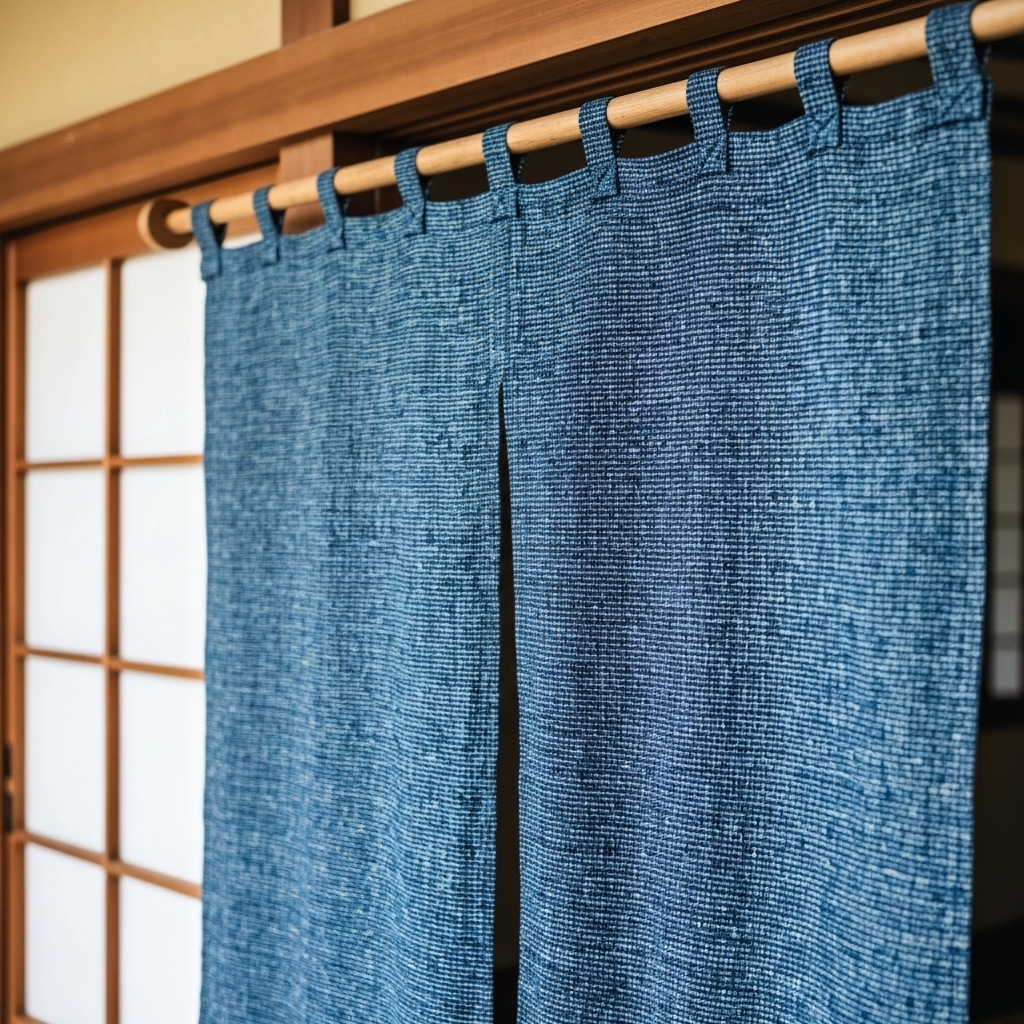
- Play with Texture: Different fabrics and weaving techniques create different textures. A noren with a rich texture can add depth and visual interest to a room.
- Seasonal Variations: Just as you might change your curtains or throws with the seasons, consider swapping out your noren to reflect the changing weather and holidays. This is a common practice in Japan, and a great way to keep your home feeling fresh and inviting.
- Lighting Effects: The way light filters through a noren can dramatically affect its appearance. Experiment with different lighting arrangements to see how they enhance the colors and patterns of your noren. Backlighting can create a particularly dramatic effect.
Adapting Noren for Modern Spaces: Innovative Uses and Interpretations
While noren are traditionally used as doorway dividers, their versatility allows for creative adaptations in modern spaces.
- Window Treatments: Instead of traditional curtains, consider using a noren as a unique window covering. The light filtering effect creates a soft, diffused glow, and the design can add a touch of Japanese flair to your room.
- Wall Art: A beautifully designed noren can be framed or hung directly on the wall as a piece of art. This is a great way to showcase intricate designs or unique textiles.
- Room Dividers: In open-plan living spaces, noren can be used to create temporary or semi-permanent room dividers. Hang multiple noren side-by-side to create a flexible partition that can be easily adjusted or removed.
- Closet Doors: Replace traditional closet doors with a noren for a more relaxed and informal look. This is particularly effective in smaller spaces where swinging doors might be cumbersome.
- Headboard Alternative: Attach a noren to the wall behind your bed to create a unique and eye-catching headboard alternative.
- Event Decoration: Noren can add a festive touch to parties and events. Use them to create themed backdrops, decorate doorways, or even as tablecloths.
- Shop Displays: Retail spaces can utilize noren to create inviting entrances, showcase specific products, or add a touch of Japanese authenticity to their branding.
- Mobile Backdrops for Online Meetings: Hang an interesting noren behind you to create a visually interesting background for video calls.
The key is to embrace the spirit of noren – its functionality, its aesthetic appeal, and its ability to create a sense of warmth and welcome – and adapt it to suit your own personal style and needs. For more inspiration, explore our noren design ideas guide. Don't be afraid to experiment and find new and innovative ways to incorporate this versatile textile into your home or business.
Noren Around the World: Cross-Cultural Influences and Adaptations
The noren, once a humble shop curtain, has journeyed far beyond Japan's shores. Its adaptable form and inherent cultural significance have made it a welcome addition to various international settings, undergoing fascinating transformations along the way. It's not merely a decorative object; it's a carrier of Japanese aesthetic principles.
Noren in Japanese Restaurants and Businesses Abroad
The most immediately recognizable adaptation of noren internationally is its prevalent use in Japanese restaurants and businesses outside Japan. Here, it functions much as it does domestically: to subtly announce the type of establishment and create a welcoming ambiance. If you're considering a noren for your restaurant or shop, you'll find the tradition translates remarkably well. Often, the noren will feature the establishment's name in Japanese calligraphy (shodō, 書道), sometimes accompanied by the English translation. Restaurants specializing in ramen (ラーメン) might display a noren with the character "麺" (men, noodles), while a sushi restaurant could feature imagery of fish or waves.
However, differences exist. In Japan, a heavily worn or faded noren can signal a long-established and respected business, implying years of dedicated service. Outside Japan, the emphasis tends to be on maintaining a pristine appearance, reflecting a different expectation of cleanliness and modernity. The materials used also sometimes differ. While cotton and linen remain popular, some establishments overseas opt for more durable and easily washable synthetics to meet local hygiene regulations and ease of maintenance. The length might also be adjusted to better suit different doorframe heights common in other countries. While a standard noren in Japan hangs to around 140-150 cm (55-59 inches), variations of up to 180 cm (71 inches) or longer can be found abroad.
Furthermore, the level of detail can be simplified. While traditional noren often boast intricate katazome (型染め, stencil dyeing) or tsutsugaki (筒描, rice-paste resist dyeing) designs, those found outside Japan sometimes employ simpler printing techniques to reduce cost and production time. Despite these adaptations, the core functionality of the noren – to invite and inform – remains consistent.
The Influence of Noren on Western Design Trends
The aesthetic simplicity and functionality of noren have quietly influenced Western design trends in recent years, particularly in interior design and event decor. The concept of using fabric dividers to create flexible spaces has resonated with Western designers seeking to balance open-plan living with the need for privacy and defined areas. While Western adaptations may not always replicate the precise form of the noren, the underlying principle of using a hanging textile to delineate space is clearly inspired by it.
This influence can be observed in several ways:
-
Room Dividers: Beyond Japanese restaurants, the use of fabric panels suspended from rods or tracks is gaining popularity as a more visually appealing and space-saving alternative to traditional walls or screens. These dividers often mimic the simple rectangular shape and split design of a noren, though the fabrics and patterns may be more aligned with Western aesthetics.
-
Doorway Curtains: In place of solid doors, some homeowners are opting for lightweight fabric curtains to soften doorways and create a sense of flow between rooms. These curtains may be sheer or opaque, and often feature patterns and colors that complement the overall decor. While not strictly noren, they echo the function of providing a visual barrier without completely closing off a space.
-
Window Treatments: The minimalist aesthetic of noren has also influenced window treatment design. Simple, unadorned fabric panels hung from rods are becoming a popular alternative to elaborate curtains or blinds, offering a clean and modern look.
The wabi-sabi (侘寂) aesthetic, which embraces imperfection and simplicity, has also contributed to the noren's appeal in Western design. The slightly uneven edges and natural textures often associated with noren align with this philosophy, adding a touch of understated elegance to contemporary spaces.
Creating Fusion Designs: Blending Noren Aesthetics with Other Cultural Styles
The adaptability of the noren lends itself beautifully to fusion designs, blending Japanese aesthetics with other cultural styles. This is where the real creativity begins. For example, a noren incorporating Aboriginal dot painting techniques could create a striking visual contrast and celebrate the fusion of two distinct cultures. Similarly, a noren featuring Mexican alebrije (brightly colored folk art sculptures) imagery could add a playful and vibrant touch to a Japanese-inspired space.
The possibilities are truly endless. Designers are experimenting with different fabrics, colors, and patterns to create noren that reflect a global sensibility. One could imagine a noren made from African wax-print fabric, adorned with traditional Japanese mon (紋, family crests). Or a noren incorporating Scandinavian minimalist patterns with traditional Japanese indigo dyeing techniques.
The key to successful fusion design is to maintain a balance between the different cultural elements. The goal is not to simply combine disparate styles, but to create a harmonious whole that celebrates the unique characteristics of each. Consider a noren featuring traditional Japanese shibori (絞り染め, tie-dyeing) techniques but using colors inspired by Indian textiles – the deep reds, oranges, and golds of saris. This would create a visually stunning piece that pays homage to both cultures.
Expert Insight: When experimenting with fusion designs, consider the symbolic meaning of the patterns and colors you choose. Researching the cultural significance of each element will help you create a more meaningful and respectful design.
Noren as a Symbol of Japanese Culture in the Global Landscape
Beyond its practical and aesthetic applications, the noren has become a potent symbol of Japanese culture in the global landscape. It represents much more than just a curtain; it embodies the principles of hospitality (omotenashi, おもてなし), simplicity, and craftsmanship that are deeply ingrained in Japanese society.
The noren’s presence in Japanese restaurants worldwide serves as a visual cue, instantly signaling the authenticity and cultural heritage of the establishment. It evokes a sense of stepping into a traditional Japanese space, even if the surroundings are otherwise modern or Western. The noren acts as a portal, transporting patrons to a different cultural realm.
Furthermore, the noren has gained recognition as a symbol of Japanese identity in popular culture. It appears in films, television shows, and anime, often used to depict traditional shops, restaurants, or homes. This exposure has further solidified its association with Japanese culture in the minds of people around the world.
However, it's crucial to approach the use of noren with sensitivity and respect. While cultural exchange and adaptation are welcome, it's important to avoid cultural appropriation or the trivialization of its meaning. The noren should not be reduced to a mere decoration or a superficial representation of Japanese culture. Instead, it should be treated as a symbol of the values and traditions it embodies. By understanding its history, purpose, and cultural significance, we can appreciate the noren for what it truly is: a beautiful and meaningful artifact that has enriched the global landscape. The careful choice of image, the thoughtful execution of technique, and the intentional display all contribute to a respectful homage.