Restaurant Noren: Enhance Your Eatery with Japanese Curtains
Branding and Aesthetics: Designing Your Restaurant Noren
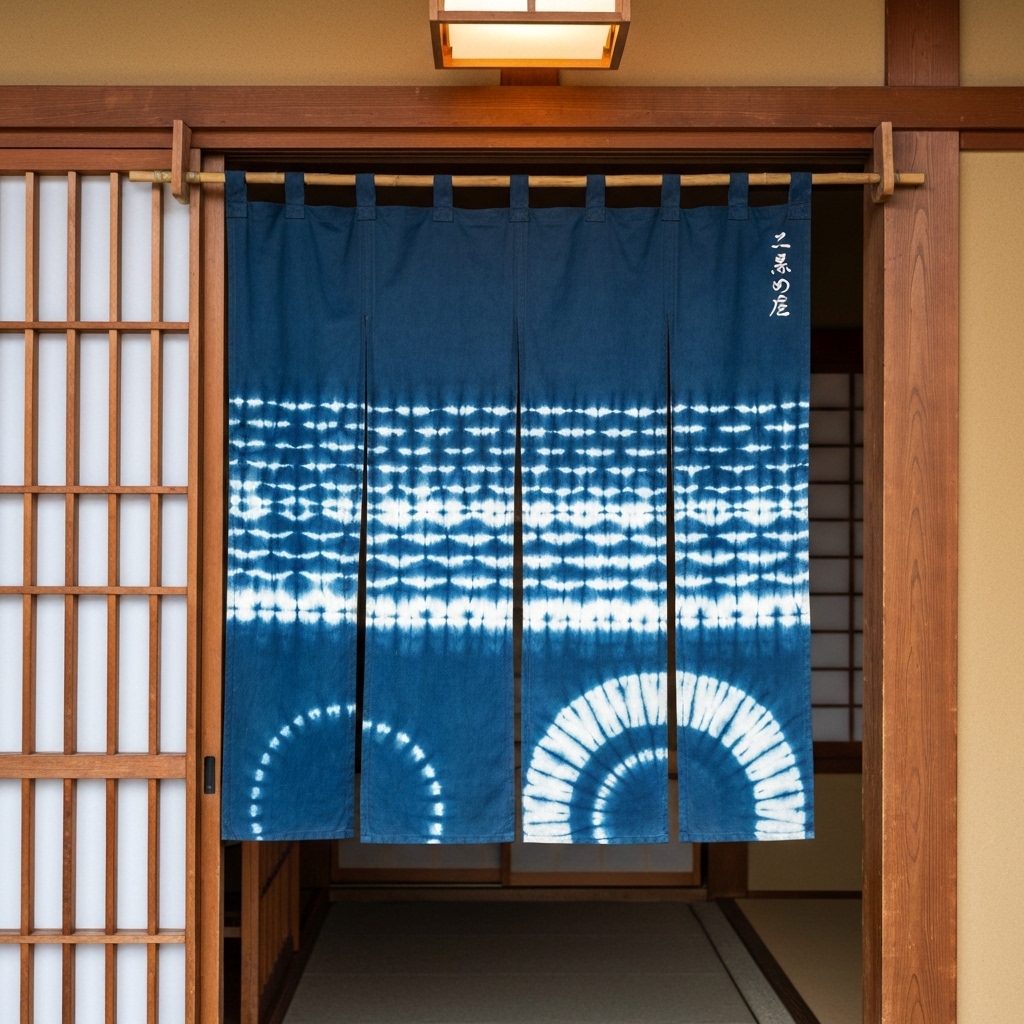
The noren (暖簾), that humble yet powerful fabric divider, is more than just a doorway dressing; it's a silent ambassador for your restaurant, whispering tales of your cuisine, your ambiance, and your brand. To understand the deep cultural roots behind these curtains, read our article on the history and meaning of noren. When thoughtfully designed, your noren becomes an integral part of the dining experience, inviting guests to step inside and discover what makes your establishment special. Designing an effective noren involves carefully considering its branding and aesthetics.
Incorporating Your Restaurant's Logo and Color Palette
The noren is prime real estate to reinforce your restaurant's identity. Think of it as a mini-billboard, strategically placed at your entrance. The key is subtlety and sophistication; avoid overwhelming the design with a large or garish logo.
Instead, consider incorporating your logo in a more understated manner — a custom noren lets you work with artisans to integrate your branding seamlessly. For example, if your logo features a stylized bamboo stalk, repeat this element in a simple pattern along the bottom border of the noren. Or, subtly integrate your logo into the monsho (紋章), a traditional Japanese crest or emblem. The monsho can be embroidered (刺繍, shishuu) or dyed using techniques like katazome (型染め), a stencil dyeing process.
Regarding color, leverage your existing restaurant color palette. If your interior is dominated by warm, earthy tones, consider a noren in similar shades. Natural dyes like indigo (aizome, 藍染め) offer a range of beautiful blues that pair well with wood and natural materials. For a modern restaurant, you might explore bolder, more contemporary color combinations, but always ensure the color scheme aligns with your brand. A vibrant red might be perfect for a spicy ramen shop, but overwhelming for a traditional sushi restaurant seeking a minimalist, serene aesthetic.
Expert Insight: When choosing colors, remember that darker colors like indigo (aizome) tend to hide dirt and wear better, particularly for restaurants in high-traffic areas.
Matching Noren Style to Your Restaurant's Cuisine and Ambience
The style of your noren, from its fabric to its construction, should harmoniously reflect your restaurant's cuisine and overall ambiance.
For a traditional Japanese restaurant (washoku-ya, 和食屋), consider using natural materials like hemp (asa, 麻) or cotton (momen, 木綿). A heavier-weight momen will provide a more substantial, classic feel. Opt for a noren with a simple, clean design, perhaps featuring a single, elegant monsho or a subtle pattern. The height of the noren is another important factor. Standard noren lengths range from 90 cm to 150 cm (approximately 35 to 59 inches). Shorter noren can create a more casual, open feel, while longer ones exude a sense of formality and privacy.
If your restaurant serves a specific type of Japanese cuisine, tailor the noren accordingly. A soba noodle shop, for instance, might feature a noren dyed in a natural indigo with a simple, bold design that simply says 蕎麦 (soba). A yakitori (grilled chicken skewer) restaurant could incorporate charcoal gray tones and imagery of stylized chickens.
Conversely, a modern fusion restaurant might opt for a noren made from a lighter, more flowing fabric like linen or even a blend of cotton and synthetic fibers. The design could be more abstract and contemporary, perhaps incorporating bold geometric patterns or unconventional color combinations. Consider the number of slits (kiretsu, 切裂) in your noren. A noren with more slits creates a more dynamic, airy entrance, while fewer slits offer a sense of enclosure.
Using Kanji, Hiragana, or English on Noren for Restaurants
The text on your noren can convey important information about your restaurant, from its name and type of cuisine to its motto or philosophy. Choosing the right script – kanji (漢字), hiragana (平仮名), or English – is crucial for effectively communicating your message and creating the desired impression.
Kanji, with its complex characters derived from Chinese, conveys a sense of tradition, authenticity, and sophistication. Using kanji is ideal for Japanese restaurants aiming to project a strong sense of cultural heritage. For example, a noren for a traditional ramen shop might feature ラーメン (ramen) in bold katakana script.
Hiragana, a phonetic script unique to Japan, offers a softer, more approachable feel. It's often used for names, grammatical particles, and words that lack kanji representation. Using hiragana can create a more casual and welcoming atmosphere. A cafe might use hiragana for its name or a simple greeting like いらっしゃいませ (irasshaimase – welcome).
Using English on your noren can be effective for restaurants targeting international customers or those seeking a more modern, cosmopolitan vibe. However, use English sparingly and thoughtfully. Avoid lengthy phrases or complex sentences. Simple words like "Ramen," "Sushi," or "Cafe" can be effective, especially when paired with a strong visual design.
When choosing your script, consider your target audience and the overall message you want to convey. A well-chosen script, combined with a thoughtful design, can transform your noren into a powerful branding tool. Remember the saotooshi (竿通し), the rod pocket at the top. The standard size for the saotooshi opening is 4-5 cm (1.5-2 inches), suitable for a standard tsuppari-bou (突っ張り棒) or tension rod.
Materials and Durability: Choosing the Right Fabric for Restaurant Use
Cotton vs. Linen vs. Synthetic Blends: Pros and Cons
The choice of fabric significantly impacts the longevity and overall appearance of your 暖簾 (noren) curtains, especially in a demanding restaurant environment. While previous discussions covered the basics, let's dive deeper into characteristics often overlooked.
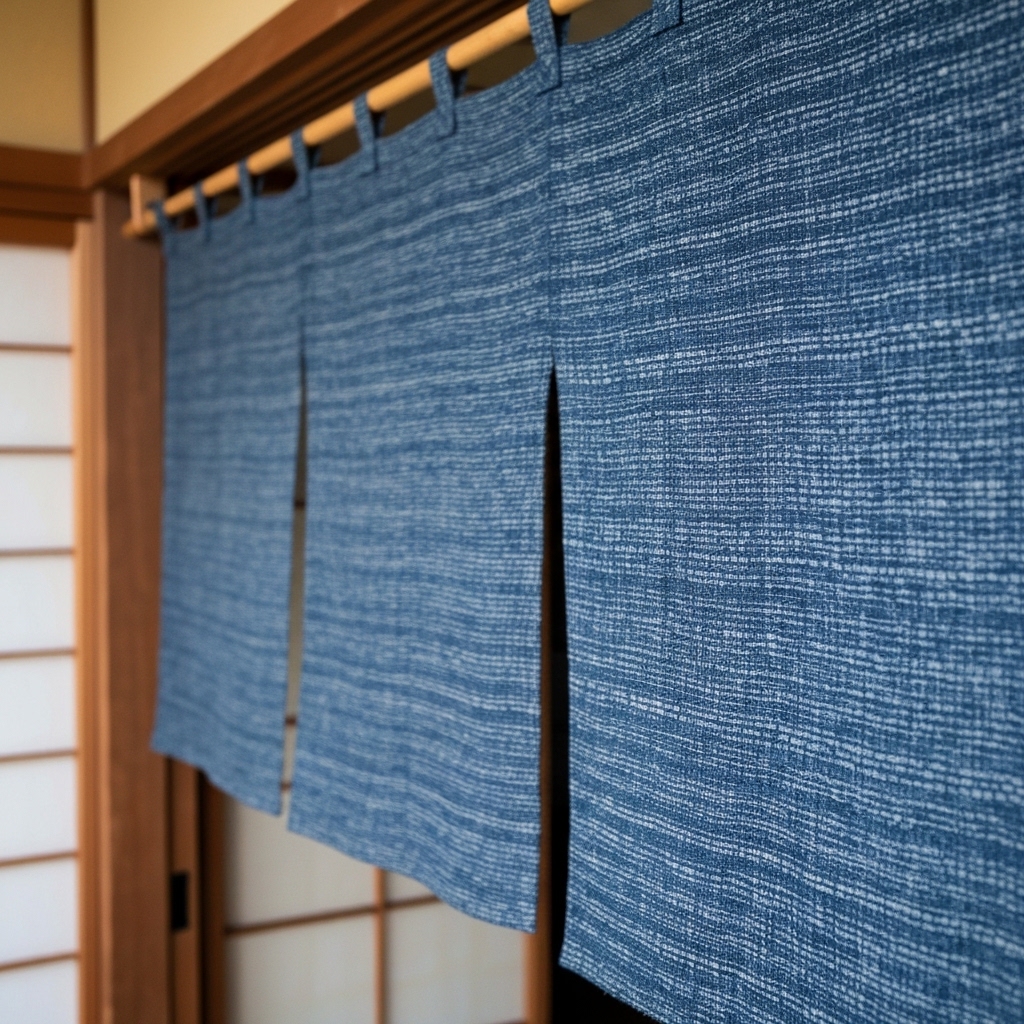
Beyond simple comparisons, consider the weave of the fabric. For example, while 木綿 (momen, cotton) is known for its softness and ability to take dyes beautifully, a tightly woven cotton duck or canvas will offer significantly greater durability than a loosely woven muslin. Think of the difference between a delicate handkerchief and a sturdy sail – both are cotton, but their applications differ wildly. For high-traffic areas, prioritize tighter weaves.
麻 (asa, linen or hemp) is often presented as naturally durable. However, lower-quality linen can be surprisingly prone to wrinkling and even tearing under stress. Look for linen blends with a tighter weave and potentially incorporating small percentages of other fibers like rayon for enhanced draping and reduced wrinkling. The slubby texture characteristic of linen adds visual interest, but can also catch more dirt if not properly treated.
Synthetic blends, particularly those incorporating polyester or nylon, offer excellent stain resistance and durability. However, it's essential to select high-quality blends designed to mimic the look and feel of natural fibers. Cheap, shiny synthetics can detract from the overall ambiance of your restaurant. A blend incorporating a small percentage of natural fiber can significantly improve the drape and hand feel, making it feel less "plastic-y." Consider the specific blend's ability to withstand repeated washing and sun exposure, especially for outdoor installations.
Fabric Weight and Thickness Considerations for Indoor and Outdoor Use
The weight and thickness of the fabric are crucial considerations based on whether the 暖簾 (noren) will be used indoors or outdoors. Weight is typically measured in grams per square meter (gsm) or ounces per square yard (oz/yd²).
For indoor use, a lighter-weight fabric (around 150-250 gsm or 5-7 oz/yd²) allows for better airflow and a more delicate appearance. This weight range is suitable for creating a subtle visual partition without completely blocking light or air circulation. This is particularly useful within a large dining area to subtly demarcate spaces.
Outdoor 暖簾 (noren) require a much heavier fabric (300 gsm or 10 oz/yd² or higher) to withstand the elements. Thicker fabrics are more resistant to wind, rain, and UV damage, which can cause fading and degradation over time. Consider fabrics specifically designed for outdoor use, as these often have inherent UV resistance and water repellency. Ensure the fabric is not so thick that it impedes movement or becomes unwieldy in windy conditions. Heavier fabrics will also require a sturdier 竿通し (saotooshi, rod pocket) and more robust hanging hardware.
Consider the climate. A seaside restaurant with strong winds needs far more robust material than an indoor divider for a 京都 (Kyoto) machiya.
Expert Insight: Before committing to a large order, obtain fabric swatches and test them in the actual location where the 暖簾 (noren) will be installed. This allows you to assess the fabric's appearance under different lighting conditions and its response to potential environmental factors.
Treatments for Stain Resistance and Weatherproofing
While inherent fabric properties play a role, specialized treatments can significantly enhance the performance and longevity of your restaurant 暖簾 (noren).
Stain-resistant treatments are essential for dining environments where spills are inevitable. Look for fabrics treated with a durable water repellent (DWR) finish. These treatments create a barrier that prevents liquids from penetrating the fabric fibers, making it easier to wipe away spills before they set. These treatments also help repel oil-based stains. These treatments need to be reapplied periodically, especially after washing.
For outdoor applications, waterproofing is critical. Beyond DWR finishes, consider fabrics treated with acrylic or polyurethane coatings. These coatings provide a more robust barrier against water penetration, protecting the fabric from rain and moisture damage. Ensure the coating is breathable to prevent moisture buildup and mildew growth, particularly in humid climates.
UV-resistant treatments are also vital for outdoor 暖簾 (noren). These treatments help prevent fading and degradation caused by prolonged exposure to sunlight. Look for fabrics that have been tested and certified for UV resistance according to industry standards. Remember that no UV treatment is permanent and may require periodic reapplication depending on the intensity of the sun exposure.
Sizing and Hanging: Properly Displaying Your Restaurant Noren
Determining the Ideal Width and Length for Your Doorway or Entrance
The art of displaying a 暖簾 (noren) isn't merely about covering an entrance; it's about framing the experience. Our noren size guide can help you determine the ideal dimensions for any opening. While exact measurements depend on your restaurant's aesthetic, there are some useful guidelines beyond simply measuring the doorframe. Consider the overall flow of traffic. A noren that's too narrow can appear skimpy, while one that's excessively wide may become cumbersome for customers passing through.
Generally, the width of your noren should be approximately 70% to 85% of the doorway's width. This allows for gentle gathering or pleating when hung, creating a more inviting and visually appealing effect. For instance, if your doorway is 100cm wide, a noren between 70cm and 85cm would be a good starting point. Think about the overall impression you want to create. A fuller, more gathered look suggests abundance and hospitality, while a flatter hang projects a cleaner, more modern sensibility.
The length, arguably, offers even more scope for individual expression. Unlike width, length is directly tied to the message you want to convey and how prominently you want the noren to feature your branding. Short noren, around 30-45cm in length, are common above kitchen windows or as decorative accents, offering glimpses into the inner workings of your establishment. Mid-length noren, falling between 60-90cm, are frequently found at the entrances of casual eateries, allowing for easy passage and clear visibility into the restaurant. Longer noren, extending beyond 90cm and sometimes nearly reaching the floor, lend an air of formality and privacy, often seen at traditional establishments or private dining rooms.
Consider the placement of your logo or design elements. A shorter noren might necessitate a more condensed design, while a longer one allows for more elaborate illustrations or text. Think about the negative space – the areas without design. A well-balanced noren utilizes negative space to draw the eye and prevent the design from feeling cluttered.
Choosing the Right Hanging Rod and Hardware
The selection of the hanging rod, or 竿 (sao), is as important as the 暖簾 (noren) itself. While readily available options exist, from simple wooden dowels to more decorative metal rods, a few key considerations can elevate the overall presentation.
First, the material. A bamboo rod (竹竿, takezao) is a classic choice, lending a natural and authentically Japanese feel. The bamboo's inherent texture adds visual interest and complements a variety of noren designs, especially those utilizing natural dyes and materials. Wood, too, is a versatile option, with different wood species offering varying tones and grains. Consider the wood's finish – a matte finish will provide a more understated look, while a glossier finish will add a touch of sophistication.
Metal rods offer durability and a modern aesthetic. Black iron rods are particularly well-suited for contemporary restaurant designs, while brass rods can add a touch of warmth and elegance. Whatever material you choose, ensure the rod's diameter is appropriate for the 竿通し (saotooshi), the rod pocket, of your noren. A too-thin rod will look flimsy, while a rod that's too thick simply won't fit.
Consider the length of the rod. It should extend a few centimeters beyond the width of the noren on each side. This not only prevents the noren from sliding off but also allows for easier adjustment and repositioning. Many establishments utilize 突っ張り棒 (tsuppari-bou), tension rods, especially in rented spaces where drilling into the walls isn’t permitted. These are easy to install and adjust, but ensure you choose a high-quality rod that can support the weight of your noren, particularly if it’s made from heavier materials. Our guide on how to hang a noren covers rod types and installation tips.
Expert Insight: For added stability and a professional look, consider using small, decorative end caps on your hanging rod. These prevent the noren from sliding and add a refined finishing touch. Look for end caps made from materials that complement your rod and noren.
Adjusting Noren Length for Visibility and Functionality
The final step – adjusting the noren's length – is crucial for achieving the desired effect. While precise measurements depend on your specific needs, the goal is to strike a balance between visibility, functionality, and aesthetic appeal.
Consider the height of your customers. A noren that hangs too low can be a tripping hazard or obstruct the view, especially for shorter individuals or those in wheelchairs. Conversely, a noren that's hung too high may lose its impact and appear disconnected from the entrance.
Think about the amount of foot traffic your restaurant experiences. In high-traffic areas, a slightly shorter noren might be preferable, as it minimizes the risk of damage from constant contact. In more secluded areas, a longer noren can create a sense of privacy and intimacy.
Observe how the noren moves in the wind or when people pass through it. If it tends to swing excessively or get caught on objects, you may need to shorten it slightly or add weights to the bottom hem. Small, discreet weights can be sewn into the hem to provide stability without compromising the noren's aesthetic.
Finally, take a step back and assess the overall visual impact. Does the noren complement the surrounding décor? Does it draw the eye and invite customers inside? Are the design elements clearly visible and easily understood? Remember, the noren is more than just a decorative element – it's a welcoming sign that reflects your restaurant's unique identity. Adjusting its length is a crucial part of ensuring it fulfills its purpose effectively.
Cleaning and Maintenance: Preserving the Life of Your Noren
A well-maintained 暖簾 (noren) not only looks inviting but also extends its lifespan, saving you money and preserving the unique character of your restaurant. Consider cleaning and care as an investment, reflecting the same dedication you put into your cuisine and customer service. For detailed washing and storage instructions, see our noren care and washing guide.
Washing Instructions for Different Fabric Types
While professional cleaning is often the safest route, particularly for valuable or antique 暖簾 (noren), understanding basic washing principles can help you address minor soiling or freshen up less delicate pieces. When in doubt, test a small, inconspicuous area first.
For everyday cotton (木綿, momen) 暖簾 (noren), hand washing is generally preferable to machine washing. Use cool or lukewarm water (around 30°C or 86°F) with a gentle detergent specifically designed for delicates. Avoid harsh chemicals or bleach, as these can fade colors and weaken fibers. Gently agitate the noren in the water, paying attention to heavily soiled areas. Rinse thoroughly until all traces of detergent are gone.
Linen (麻, asa) 暖簾 (noren) can also be hand-washed similarly to cotton. However, linen tends to wrinkle more easily. To minimize wrinkles, avoid wringing or twisting the fabric. Instead, gently squeeze out excess water. You can also lay it flat on a clean towel and roll it up to absorb moisture.
After washing, avoid direct sunlight when drying. Hang the noren indoors or in a shaded area to prevent fading. For cotton and linen, ironing while slightly damp can help restore their shape and remove wrinkles. Use a low to medium heat setting.
Expert Insight: Consider using a laundry net (洗濯ネット, sentaku netto) even when hand-washing to protect the fabric from snagging or abrasion.
Spot Cleaning Tips for Common Restaurant Stains
Restaurants are prone to spills. Addressing stains quickly and effectively is crucial to preventing permanent damage to your 暖簾 (noren). The "blot, don't rub" principle is paramount. Rubbing can spread the stain and damage the fabric.
For oily stains, blot the area immediately with a clean, absorbent cloth or paper towel. Apply a small amount of cornstarch or baking soda to absorb the remaining oil. Let it sit for a few hours, then gently brush it off.
Soy sauce (醤油, shōyu) stains can be treated by blotting with a damp cloth and then applying a diluted solution of white vinegar (approximately 1 part vinegar to 3 parts water). Blot again with a clean, dry cloth.
Wine stains can be trickier. Blot up as much of the wine as possible, then cover the stain with salt. The salt will absorb the remaining wine. After a few hours, vacuum up the salt. You might need to repeat this process.
Coffee or tea stains should be blotted with a clean, damp cloth. If the stain persists, try a mild solution of dish soap and water. Rinse thoroughly.
After spot cleaning, always allow the noren to air dry completely.
Proper Storage Techniques to Prevent Fading and Damage
Even when not in use, proper storage is essential for preserving your 暖簾 (noren). Avoid storing them in direct sunlight or in humid environments, as both can lead to fading, mildew, and insect damage.
Before storing, ensure the noren is completely clean and dry. Fold it carefully along its natural creases. To prevent wrinkles, you can place acid-free tissue paper between the folds.
Store the folded noren in a breathable container, such as a cotton bag or a storage box made of natural materials. Avoid plastic containers, which can trap moisture. Add silica gel packets (乾燥剤, kansōzai) to absorb any residual moisture.
For particularly valuable or antique 暖簾 (noren), consider storing them flat rather than folded. This will minimize creases and prevent stress on the fibers. You can roll the noren around an acid-free cardboard tube for added support.
Regularly check your stored 暖簾 (noren) for any signs of damage, such as insect infestations or mold. If you detect any problems, address them promptly. By following these storage tips, you can ensure that your noren remains a beautiful and welcoming feature of your restaurant for years to come.
Beyond the Entrance: Creative Applications of Noren for Restaurant Interior Design
While traditionally hung at entrances, the versatility of 暖簾 (noren) extends far beyond signaling "open for business." Within a restaurant's interior, they can be cleverly employed to redefine space, manipulate light, and add artistic flair, enhancing the overall dining experience.
Using Noren as Room Dividers or Privacy Screens
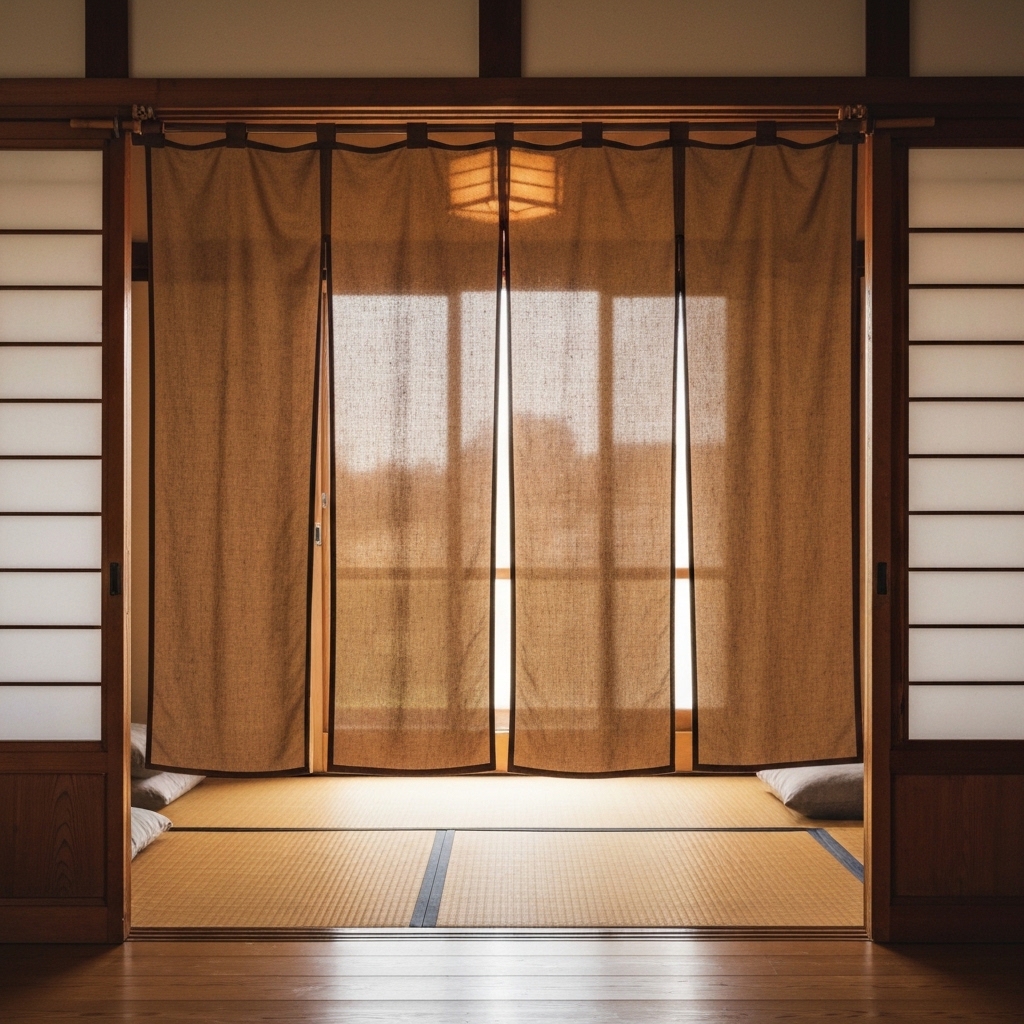
In Japanese culture, suggestion and nuance often outweigh stark division. Using noren as room dividers embodies this principle, offering a gentle separation without completely closing off spaces. Consider a bustling izakaya (居酒屋) where creating semi-private booths is desired. Instead of permanent walls, strategically placed noren can define individual dining areas.
Imagine a series of three noren, each approximately 85cm (33.5 inches) wide and 150cm (59 inches) long, hung in a staggered pattern. This allows for easy passage while simultaneously creating a sense of intimacy. The fabric choice here is paramount. A heavier-weight 木綿 (momen, cotton fabric) will provide more visual and sound dampening than a sheer 麻 (asa, hemp/linen). Furthermore, consider the motif. A repeating geometric pattern, perhaps a stylized rendition of a local craft or a seasonal design like cherry blossoms (桜, sakura) in spring, will contribute to the overall ambiance.
This approach works exceptionally well in restaurants with open kitchens. A noren hung strategically can partially conceal the hustle and bustle of the kitchen while still allowing glimpses of the culinary artistry. The length is key here. A shorter noren, around 90cm (35 inches), would offer a tantalizing peek, while a longer one, extending to 180cm (71 inches), creates a greater sense of separation, ideal for masking less-visually appealing prep areas.
Expert Insight: Think beyond straight lines. Install multiple noren on curved tracks to create serpentine partitions, adding a dynamic and visually appealing element to your interior design.
Noren as Window Coverings for Diffused Lighting
Harsh sunlight can detract from the dining experience. While blinds and curtains are common solutions, noren offer a uniquely Japanese approach to controlling natural light. Their inherent texture and varying degrees of transparency allow for a soft, diffused glow.
For windows facing direct sunlight, consider using a darker-colored noren. Indigo-dyed 藍染め (aizome) cotton, for instance, effectively filters strong light, creating a cool and calming atmosphere. The choice of weave also plays a crucial role. A tightly woven fabric will block more light, while a looser weave allows more light to penetrate, creating a dappled effect.
Think of a traditional Japanese tea room (茶室, chashitsu) where the play of light and shadow is carefully orchestrated. Noren can emulate this effect, transforming harsh sunlight into a gentle, ambient light. Consider using noren with subtle variations in color or texture to further enhance the visual interest. A noren with a hand-painted design (手描き, tegaki) will cast unique shadows, adding an artistic touch to the space.
Furthermore, noren can be layered for greater control over light. A sheer linen noren can be paired with a heavier cotton one, allowing you to adjust the amount of light entering the room based on the time of day or weather conditions.
Incorporating Noren into Wall Decor and Art Installations
Noren are not limited to functional purposes; they can also serve as captivating pieces of wall decor. Framed noren, particularly those featuring traditional designs or intricate 型染め (katazome) patterns, can add a touch of Japanese artistry to any space.
Consider commissioning a local artist to create a bespoke noren for your restaurant — see our noren design ideas for style inspiration. This allows you to incorporate unique elements that reflect your restaurant's theme or the local culture. Imagine a large-scale noren depicting a local landmark or a historical event. This not only adds visual interest but also creates a conversation piece for your guests.
Noren can also be incorporated into larger art installations. A series of noren, each featuring a different design or color, can be hung from the ceiling to create a dynamic and visually stunning focal point. The movement of the fabric adds an element of dynamism, creating a constantly changing display.
Another option is to use repurposed noren as wall hangings. Vintage noren, with their faded colors and worn textures, possess a unique charm. These can be framed or simply hung on the wall to add a touch of history and authenticity to your restaurant's decor. In this approach, celebrating wabi-sabi (侘寂), or the beauty of imperfection, enriches the interior's soul.
Regulations and Compliance: Considerations for Using Noren for Restaurant Entryways
Navigating the world of restaurant regulations can be tricky, and even seemingly simple additions like a 暖簾 (noren) require careful consideration. While often overlooked, fire safety, accessibility, and local building codes can all influence your choice and installation.
Fire Safety Standards and Flammability Testing
In Japan, fire safety standards for textiles used in public spaces are strictly enforced. While a traditional 綿 (men=cotton fabric) 暖簾 may seem harmless, its flammability could pose a risk. For commercial establishments, particularly restaurants, it's prudent to select fabrics treated with fire-retardant chemicals.
Consider contacting a testing agency to assess the flammability of your chosen material. Look for certifications demonstrating compliance with standards like the Japanese Industrial Standards (JIS) L 1091, which covers testing methods for flame resistance of textiles. Although primarily used domestically, understanding JIS standards can offer insight into flammability concerns regardless of where your 暖簾 is sourced.
While naturally fire-resistant materials like 絹 (kinu=silk) exist, they are often impractical for high-traffic areas due to their delicate nature and cost. Polyester fabrics, while not naturally flame-resistant, can be treated effectively and offer superior durability. If selecting a material that has been treated for fire retardancy, inquire about the longevity of the treatment and whether it requires re-application after cleaning.
Expert Insight: Always retain documentation proving your 暖簾 material meets fire safety standards. This documentation can be crucial during inspections.
Accessibility Regulations and Clearances
Accessibility is paramount in modern restaurant design. While a 暖簾 itself may seem innocuous, its placement and dimensions can unintentionally create barriers for individuals with disabilities.
Consider the following:
- Clear Width: Ensure the opening created by the 暖簾 provides sufficient clear width for wheelchair users or individuals using mobility aids. Aim for a minimum clear width of 80 cm (approximately 31.5 inches) after the 暖簾 is hung.
- Protrusion: The 暖簾 should not protrude excessively into the walkway, potentially creating a tripping hazard or obstructing passage for individuals with visual impairments. Ensure the length is appropriate for the entryway and does not impede movement.
- Contrast: For individuals with low vision, a 暖簾 with high color contrast against the surrounding walls or door frame can enhance visibility and prevent accidental collisions.
Pay close attention to how the 暖簾 interacts with existing accessibility features. For instance, if your entryway features a ramp, ensure the 暖簾 doesn't obstruct access to the ramp or create a hazard at its top or bottom.
Local Building Codes and Permit Requirements (if any)
Building codes vary significantly from region to region and even between municipalities. In Japan, structural modifications or significant alterations to a building's exterior may require permits. While a 暖簾 is generally considered a temporary fixture, its impact on fire safety and accessibility means it might fall under certain regulatory guidelines, depending on local laws.
It’s always best to proactively contact your local city hall or ward office (区役所, kuyakusho) to inquire about any specific regulations pertaining to 暖簾 in commercial establishments. Don’t assume that because something is commonplace, it's automatically compliant. Ask specifically about exterior signage regulations and any requirements related to fire safety in commercial entryways.
Even if a formal permit isn't required, understanding the local building codes can prevent potential issues down the line. Ignorance is never a valid excuse if you're found to be in violation of local ordinances. Spending a little time researching the regulations specific to your area can save you significant trouble and expense in the long run.