Noren Curtains: Authentic Japanese Home Decor Ideas
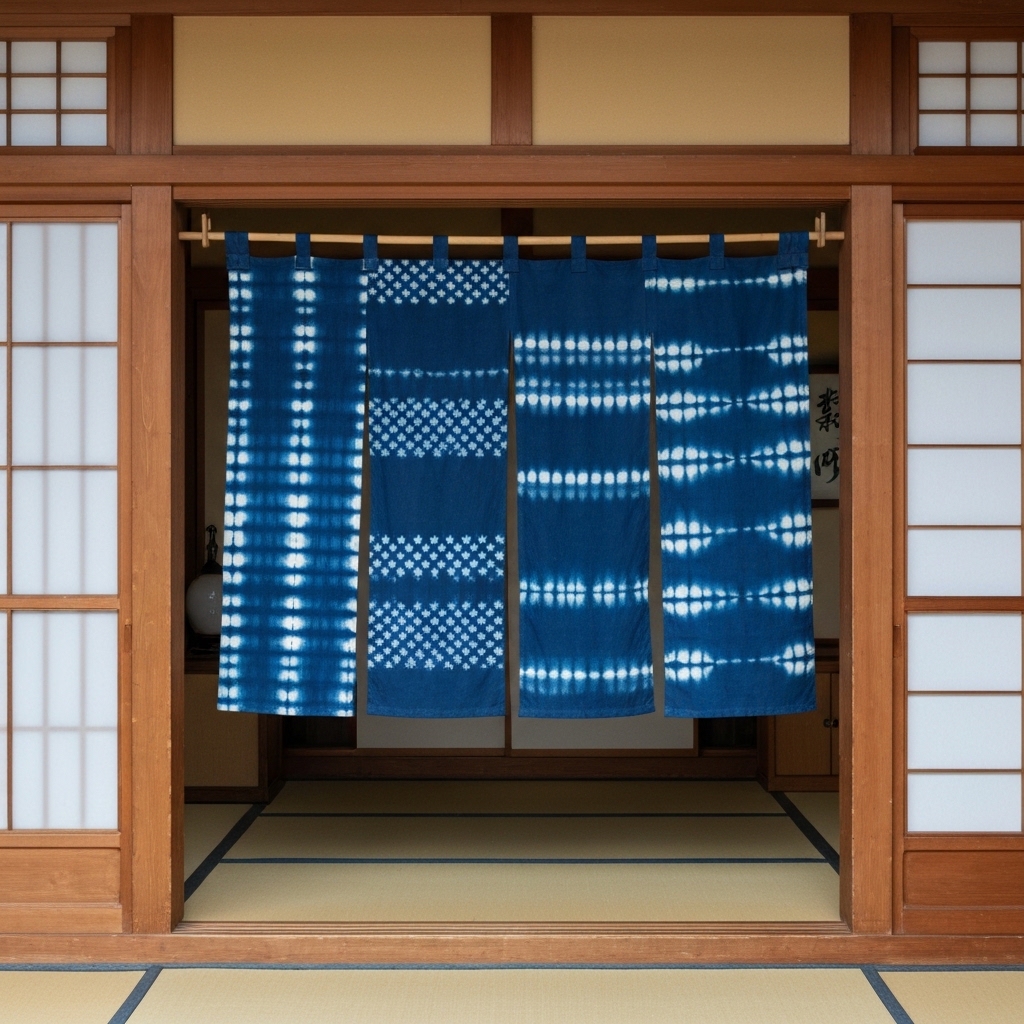
Unveiling the World of Noren: More Than Just a Curtain
For over fifteen years, I've lived and breathed Japanese culture, and one element that continues to captivate me is the unassuming yet deeply meaningful noren (暖簾). More than just a curtain, the noren embodies Japanese hospitality, artistry, and a quiet respect for tradition. Stepping through a noren is like stepping into a different world, whether it’s a bustling ramen shop or a tranquil home. Understanding the noren is understanding a small piece of the soul of Japan.
The Cultural Significance of Noren
The cultural significance of noren runs far deeper than mere decoration. Traditionally, they served as shop signs, boldly displaying the name or emblem of the establishment. Imagine strolling down a shōtengai (商店街, shopping street) – the noren were (and still are!) visual cues, instantly identifying a soba restaurant, a sake brewery, or a family-run tofu shop. The colors, patterns, and even the wear and tear on the fabric told a story about the business within. A crisp, clean noren signaled pride and attention to detail, while a faded or slightly tattered one hinted at years of history and dedication.
Beyond commercial use, noren marked transitions – the entrance to a home, the passage between rooms, or even the boundary between the everyday world and a more sacred space. Think of a traditional onsen (温泉, hot spring). Often, distinct noren with the characters 男 (otoko, male) and 女 (onna, female) clearly indicate the separate bathing areas, acting not only as dividers but also as respectful markers of privacy. The material itself also held meaning, with heavier fabrics like momen (木綿, cotton) used for colder months and lighter asa (麻, hemp/linen) being favored in the humid summer. The ubiquitous indigo dye, aizome (藍染め), was historically popular for its durability and insect-repellent properties.
Noren's Evolution: From Shop Signs to Home Aesthetics
The noren’s journey from purely functional shop sign to cherished home aesthetic is a fascinating one. While still widely used in businesses, particularly in traditional establishments, they have increasingly found their place within the Japanese home. This shift reflects a growing appreciation for minimalist design, natural materials, and the desire to infuse a space with a sense of calm and tradition.
In modern homes, you'll often find noren used to soften doorways, separate the kitchen from the living area, or even as a decorative headboard alternative. The designs are incredibly diverse, ranging from simple geometric patterns to intricate depictions of seasonal motifs, like cherry blossoms in spring or maple leaves in autumn. Explore our noren design ideas for room-by-room inspiration. You might see a noren featuring traditional katazome (型染め, stencil dyeing) techniques, or a more contemporary design printed on cotton. The size is also a factor – a short noren (半暖簾, han-noren), typically around 45-75 cm (18-30 inches) long, might adorn a doorway, while a longer one could serve as a room divider.
Expert Insight: When choosing a noren for your home, consider the fabric's weight and transparency. Lighter fabrics like linen allow more light to pass through, creating a breezy, open feel, while heavier cotton provides more privacy and a sense of enclosure.
Differentiating Noren from Similar Textiles: Short Curtains, Tapestries, and Room Dividers
While the noren shares similarities with other textiles like short curtains, tapestries, and room dividers, key distinctions set it apart. Firstly, the split at the bottom is a signature characteristic. This split isn't merely decorative; it allows for easy passage without having to fully draw the curtain aside. The number of splits can vary – typically one or two – but the presence of at least one is a defining feature.
Secondly, the method of hanging is often simpler than with traditional curtains. Most noren have a saotooshi (竿通し, rod pocket) at the top, designed to accommodate a tsuppari-bou (突っ張り棒, tension rod). This eliminates the need for drilling or complicated hardware, making installation quick and easy.
Finally, while tapestries are primarily decorative wall hangings, and room dividers aim to create substantial visual separation, the noren occupies a unique middle ground. It offers a degree of privacy and visual interest while maintaining a sense of openness and flow. Think of it as a soft suggestion of separation, rather than a rigid barrier. Unlike Western-style curtains, noren are not typically designed to completely block out light. They are intended to filter light and create a softer ambiance.
Decoding Noren Japanese Home Decor Styles: Form and Function
Common Noren Styles: Single-Panel, Split-Panel, and Valance Variations
Beyond a simple fabric divider, the structure of a 暖簾 (noren) contributes significantly to its overall aesthetic and practical purpose. While the split-panel style is most recognizable, variations abound, each offering a unique nuance to the home. The classic split typically divides the noren into two or more vertical panels, allowing for easy passage. The depth of the split, measured from the bottom hem upwards, varies considerably. A shallower split might reach only 10-15cm (4-6 inches), providing a subtle opening, while a deeper split could extend to 30-45cm (12-18 inches) or even higher, almost bisecting the fabric. The choice depends on the desired level of openness and ease of movement.
Single-panel noren, though less common, offer a more solid visual barrier. These are often found in situations prioritizing complete separation, perhaps designating a small workspace within a larger room. The lack of a split offers greater light blockage and visual privacy, although the user must fully lift or shift the noren to pass through.
Finally, valance-style noren (sometimes simply called "mini noren") are shorter, wider pieces that typically hang above doorways or windows as decorative accents. These rarely feature a split. Instead, they serve primarily as embellishments, often displaying seasonal motifs or shop logos. You might see these small noren, perhaps only 30-45cm (12-18 inches) in height, in the entrance to a ramen shop, indicating its name or specialty. These variations demonstrate the adaptability of noren to diverse spatial needs and aesthetic preferences.
Exploring Japanese Design Principles Reflected in Noren: Wabi-Sabi, Minimalism, and Nature
Japanese design philosophies deeply influence the appearance and intent of noren. Wabi-sabi (侘寂), the acceptance of imperfection and transience, often manifests in the use of natural materials like 麻 (asa – linen or hemp) or 木綿 (momen - cotton) with their inherent textures and slight irregularities. You may see naturally dyed fabrics with subtle variations in shading, embracing the beauty of the handmade process. The occasional knot in the weave or the slight fading of the dye over time only enhances the noren's character.
Minimalism, another key principle, encourages simplicity and the elimination of unnecessary elements. Noren embody this concept through their clean lines, unadorned surfaces, and limited color palettes. See our guide to minimalist noren for curated style tips. A simple indigo-dyed noren with a single, hand-painted kanji character exemplifies this reduction to essentials. The focus remains on the quality of the material and the craftsmanship, rather than elaborate ornamentation.
The reverence for nature is also frequently expressed through noren designs. Motifs such as cherry blossoms (桜 – sakura), bamboo (竹 – take), or cranes (鶴 – tsuru) are common, subtly bringing the outdoors inside. The color palettes often draw inspiration from natural landscapes – earthy browns, calming greens, and the deep blues of the sky and sea. The use of natural dyes, such as 藍染め (aizome – indigo dyeing), further connects the noren to the natural world.
Functionality Beyond Aesthetics: Using Noren for Privacy, Light Control, and Air Circulation
While the visual appeal of a noren is undeniable, their practicality should not be overlooked. They serve several crucial functions within the Japanese home. Perhaps most importantly, they provide a customizable degree of privacy. A noren placed at the entrance to a room can obscure the interior view, offering a sense of seclusion without completely closing off the space. The density of the fabric and the depth of the split influence the level of privacy. A thicker fabric and shallower split naturally provide more visual separation.
Light control is another key benefit. A noren can diffuse harsh sunlight, creating a softer, more ambient glow within a room. The choice of fabric plays a vital role here. Sheer or semi-sheer fabrics allow more light to filter through, while heavier materials offer greater light blockage. This is particularly useful in Japanese homes with large windows that receive direct sunlight.
Furthermore, noren can aid in air circulation. Unlike solid doors, they allow air to flow freely between rooms, promoting ventilation and preventing stagnant air. This is especially valuable in the humid Japanese climate, where maintaining airflow is essential for comfort. The split panels facilitate this movement, allowing breezes to pass through while still providing a degree of visual separation.
Expert Insight: Consider the direction of the prevailing winds in your home when positioning your noren. Placing it strategically can maximize airflow and create a more comfortable living environment.
Noren Materials and Their Impact on Home Decor
Traditional Fabric Choices: Linen, Cotton, and Hemp
The selection of fabric profoundly influences both the aesthetic and functional characteristics of a 暖簾 (noren). Traditionally, linen (麻, asa), cotton (綿 or 木綿, men or momen), and hemp – though less common than linen – have been the preferred materials, each lending a distinctive texture and visual appeal to this quintessential piece of Japanese home décor.
Linen possesses a coarser weave and a natural drape that imparts a rustic elegance. Its breathability makes it well-suited for warmer climates, often used in kitchens or shops where ventilation is key. The inherent slubs and variations in the yarn contribute to its unique character, creating a sense of wabi-sabi, embracing imperfection and natural aging.
Cotton, particularly 木綿 (momen), has long been prized for its versatility, affordability, and ability to accept dyes beautifully. Its smoother texture offers a more refined appearance compared to linen, and its relative opacity provides a degree of privacy without completely blocking light. Cotton noren often feature intricate patterns achieved through techniques like 型染め (katazome), which involves stencil dyeing.
Hemp, while less frequently encountered, boasts exceptional durability and a distinctive texture that sits somewhere between linen and cotton. Its strength and resilience make it a practical choice for high-traffic areas, although its coarser feel may not appeal to all. Hemp's natural, earthy tones can add a grounding element to a space.
Modern Material Innovations: Polyester Blends and Synthetic Fibers
While traditional fabrics remain popular, modern innovations have introduced polyester blends and other synthetic fibers into the noren landscape. These materials offer unique advantages, primarily in terms of durability, resistance to wrinkles and fading, and ease of maintenance.
Polyester blends, often combined with cotton or linen, strike a balance between the natural qualities of traditional fabrics and the practicality of synthetics. They can be engineered to mimic the look and feel of natural fibers while offering enhanced performance characteristics. For instance, a polyester-cotton blend might offer the breathability of cotton with improved wrinkle resistance, ideal for homes with busy lifestyles.
Fully synthetic noren, though less common, are often found in commercial settings where durability and ease of cleaning are paramount. They can withstand frequent washing and resist staining, making them a practical choice for restaurants or shops. However, some may find the texture and drape of synthetics less appealing compared to natural fibers. The key difference is in the texture and "hand-feel" when touched.
Choosing the Right Material for Your Needs: Considerations for Durability, Light Filtering, and Maintenance
Selecting the optimal material for your noren requires careful consideration of several factors. Think about how the noren will be used, where it will be placed, and how much time you are willing to dedicate to its upkeep.
For high-traffic areas like doorways, durability should be a primary concern. Linen or hemp, or a sturdy cotton-polyester blend, would be suitable choices. If light filtering is important, consider the weave density of the fabric. Loosely woven linen will allow more light to pass through than tightly woven cotton. Darker dyes will also affect the amount of light.
Maintenance is another key consideration. Cotton and linen noren may require ironing after washing, while polyester blends are typically wrinkle-resistant. For those seeking easy-care options, synthetic blends are often the best choice. However, many appreciate the natural creases and wrinkles of linen as part of its charm.
Expert Insight: Consider using a linen spray or fabric refresher between washings to keep your linen noren smelling fresh and looking its best. The light misting helps relax the fibers and reduce wrinkles.
Sizing and Placement Strategies for Noren Japanese Home Decor
Measuring Your Space for the Perfect Noren Fit
Achieving the quintessential noren (暖簾) aesthetic requires careful consideration of size and proportion. While a slightly off-kilter noren can lend a touch of wabi-sabi imperfection, a drastically mismatched one will simply look…wrong. Think of it like choosing the right yukata (浴衣) – fit is paramount.
The initial step involves precisely measuring the width of the opening you intend to adorn. Don't estimate! Use a measuring tape, preferably in centimeters (cm) for greater accuracy. A common mistake is measuring only the doorway; remember to account for any surrounding trim or frame. The noren should ideally be slightly wider than the opening, typically by about 10-20 cm (4-8 inches), to create a gentle gathering effect. This subtle bunching enhances the visual appeal and prevents the noren from appearing stretched or taut.
Next, determine the desired drop. For doorways, many people prefer a noren that hangs approximately two-thirds of the way down, allowing for easy passage while still maintaining a sense of separation and privacy. Imagine a noren in a traditional ryokan (旅館) leading to the onsen (温泉) – it invites, but doesn't reveal all. For windows or decorative room dividers, you might opt for a longer length, perhaps reaching the floor or a desired focal point.
When measuring, factor in the saotooshi (竿通し), or rod pocket. The length of the pocket itself will shorten the overall drop of the noren by a few centimeters. This is particularly important if you have limited headroom or want a precise final length.
Height and Width Considerations for Doorways, Windows, and Room Dividers
The function of the noren greatly influences its ideal dimensions. For doorways, practicality reigns. A noren used in a restaurant's kitchen entrance, for example, will likely be shorter and more durable than one gracing the entrance to a tea room. A common height for doorway noren is between 90 cm and 150 cm (35-60 inches).
For windows, the height considerations shift. A shorter noren acting as a valance can add a touch of Japanese flair without obstructing natural light. Conversely, a floor-length noren can function as a stylish alternative to curtains, offering privacy and light control. In this case, measure from the curtain rod down to the desired length, accounting for the saotooshi.
As room dividers, noren offer immense flexibility. Consider the overall aesthetic of the space. A longer noren creates a more defined separation, while a shorter one maintains a sense of openness. Width is equally crucial. A noren used to partition a large room might require multiple panels or a custom-made piece to achieve the desired coverage. Remember the visual impact of the slits; more slits offer increased visibility and ease of passage. A single slit implies a greater degree of separation.
Expert Insight: Before committing to a specific size, temporarily hang a piece of fabric or even paper cut to the proposed dimensions to visually assess the proportions in your space. This simple step can prevent costly mistakes.
Installation Options: Rods, Tension Rods, and Creative Hanging Techniques
While the traditional method involves a wooden rod passed through the saotooshi, modern options offer greater versatility. Tension rods (tsuppari-bou 突っ張り棒) are an excellent choice for renters or anyone seeking a damage-free installation. For detailed instructions on all hanging methods, see our guide on how to hang a noren curtain. Ensure the tsuppari-bou is appropriately sized for the width of the opening and capable of supporting the noren’s weight, especially if it’s crafted from heavier fabric like momen (木綿).
Beyond rods, consider more creative approaches. For a rustic aesthetic, explore using branches – ideally smooth and sturdy – as a natural rod. Secure the branches with twine or rope for a visually appealing and organic look.
Another option involves utilizing existing curtain hardware. If you already have curtain hooks or clips, you can adapt them to hang a noren. Simply attach the clips to the top edge of the noren or create small loops with fabric or ribbon.
Finally, for lighter-weight noren, consider using decorative tacks or even strong adhesive hooks. This method is particularly well-suited for hanging noren on walls or other surfaces where drilling is not feasible. Just be mindful of the weight limitations and the potential for damage to the surface. Ensure the hooks are placed evenly to prevent the noren from sagging.
Integrating Noren Into Different Rooms: Practical Applications
Noren in the Kitchen: Separating the Cooking Area, Covering Storage, and Adding a Touch of Charm
The kitchen, often the heart of the Japanese home, can benefit greatly from the subtle yet effective touch of a 暖簾 (noren). Beyond simple decoration, they offer practical solutions for space management and aesthetic enhancement. Think of a small apartment in Tokyo where the kitchen is integrated directly into the living space. A strategically placed noren can visually separate the cooking area, softening the transition between food preparation and relaxation. For kitchen-specific ideas, see our guide to the best noren for kitchens. Imagine a simple, indigo-dyed (藍染め, aizome) cotton noren hanging between the counter and the dining table, instantly creating a sense of defined zones.
Another application lies in concealing open shelving or storage. Instead of cabinet doors, a noren can gracefully drape across the front of shelves, hiding clutter while providing easy access. This is particularly useful in older homes where built-in storage might be limited or awkwardly configured. Consider a short (approximately 45cm/18 inch) noren with a simple geometric pattern used to screen the space beneath a kitchen counter, where pots and pans are stored. This adds a touch of understated elegance and helps maintain a tidy appearance. For kitchen use, heavier 木綿 (momen, cotton) fabrics are generally preferable for their durability and resistance to stains. Furthermore, noren adorned with food-related motifs, such as stylized vegetables or traditional Japanese tableware, can subtly reinforce the kitchen's purpose.
Expert Insight: When using a noren to conceal storage in the kitchen, consider one with a split down the middle. This allows you to easily access items without having to fully pull the noren aside each time, preserving both its aesthetic appeal and its functional convenience.
Noren in the Bedroom: Enhancing Privacy, Creating a Serene Atmosphere, and Dividing Space
The bedroom, a sanctuary of rest and relaxation, demands careful consideration of atmosphere. A noren can play a vital role in shaping this environment, offering privacy, creating visual division, and contributing to a sense of tranquility. In Japanese homes, where space is often at a premium, noren are frequently used to separate sleeping areas from dressing or working spaces. In a studio apartment, for instance, a noren hung near the bed can create a sense of enclosure and intimacy, even without a physical wall.
Imagine a 麻 (asa, hemp/linen) noren, its natural texture and muted color palette promoting a calming effect. This type of noren works particularly well in creating a minimalist, Zen-inspired bedroom. Alternatively, consider using a noren as a substitute for a closet door, concealing clothing and accessories while adding a decorative element. This is especially helpful in older homes where closets may be small or non-existent. A longer noren, perhaps reaching the floor, can completely obscure the contents of the closet, creating a neat and uncluttered appearance. When using noren in the bedroom, prioritizing breathable, natural fabrics like cotton or linen ensures comfortable airflow.
Noren in Living Areas: Defining Zones, Softening Light, and Adding Visual Interest
Living areas, the heart of social interaction and relaxation, can be significantly enhanced by the strategic placement of noren. In open-plan living spaces, noren serve as effective visual dividers, defining different zones without sacrificing the feeling of spaciousness. Our guide to using noren as room dividers covers this in detail. For example, a noren can delineate the entrance hallway from the main living area, creating a subtle threshold and a sense of arrival. It can also be used to separate a reading nook from the television area, providing a visual cue for relaxation and focus.
A lighter, semi-sheer noren can also be used to soften harsh sunlight streaming through a window. While not providing complete blackout, it diffuses the light, creating a warmer, more inviting ambiance. Consider a noren with a delicate floral pattern, allowing sunlight to filter through in dappled patterns, casting a soft glow throughout the room. Furthermore, a noren can serve as a simple way to add visual interest to an otherwise plain wall — consider using one as a noren tapestry wall hanging. A carefully chosen pattern or color can instantly elevate the aesthetic appeal of the space. For instance, a noren featuring a bold graphic design could act as a focal point in a minimalist living room. Remember to ensure the 竿通し (saotooshi, rod pocket) will accommodate the rod used for display.
Maintaining Your Noren: Washing and Care Instructions
Taking proper care of your noren (暖簾) ensures its longevity and vibrancy. Daily life in Japan often involves regularly washing fabric items, and your noren deserves the same consideration. While the specific approach varies based on material and construction, a few key principles apply.
General Washing Guidelines: Hand Washing vs. Machine Washing
The gentlest method is invariably hand washing. Fill a basin or tub with lukewarm water (around 30°C or 86°F) and add a small amount of mild detergent – ideally one formulated for delicate fabrics. Submerge the noren and gently agitate the water to loosen dirt. Avoid harsh scrubbing or twisting, which can damage fibers and distort the shape. Rinse thoroughly with clean water until no detergent remains.
Machine washing, while convenient, requires more caution. Always use a mesh laundry bag to protect the noren from snagging and abrasion. Select the delicate or hand-wash cycle, and again, use lukewarm water and a mild detergent. Avoid using bleach or fabric softeners, as these can degrade the fibers and fade colors. A short, gentle spin cycle is acceptable, but skip the dryer entirely.
Regardless of your chosen method, the most important rule is to avoid overloading either your basin or washing machine. Give the noren ample space to move freely during the washing process.
Dealing with Stains and Discoloration: Fabric-Specific Solutions
Spot cleaning is your first line of defense against stains. For minor spills, blot the area immediately with a clean, absorbent cloth. Avoid rubbing, which can spread the stain and damage the fabric.
For more stubborn stains, a diluted solution of mild detergent and water can be applied directly to the affected area. Test the solution on an inconspicuous part of the noren first to ensure it doesn't cause discoloration. Gently blot the stained area, working from the outside in, and then rinse thoroughly with clean water.
For aizome (藍染め) or indigo-dyed noren, expect some color bleeding during the first few washes. This is normal and part of the dyeing process. To minimize bleeding, wash the noren separately in cold water with a small amount of vinegar added to the water (approximately 60 ml, or ¼ cup per liter). Vinegar helps to set the dye.
Sunlight can cause fading, especially for brightly colored noren. Avoid direct sun exposure when drying and storing your noren.
Expert Insight: For stubborn odors on asa (麻) or hemp/linen noren, hang it outdoors on a breezy day. The natural fibers will release the odors. Avoid direct sun, though!
Proper Storage Techniques: Preventing Wrinkles and Damage
After washing, gently squeeze out excess water from the noren. Avoid wringing, which can distort its shape. The best method is to lay the noren flat on a clean, dry towel and roll it up to absorb the water. Then, unroll it and hang it to air dry, away from direct sunlight.
Ideally, the noren should be hung on a padded hanger or draped over a clothesline to allow for even drying. Avoid using clothespins, as they can leave marks. Once completely dry, iron the noren on a low setting, using a pressing cloth to protect the fabric.
When not in use, store your noren in a cool, dry place away from direct sunlight. Folding it carefully and placing it in a breathable cotton bag or wrapping it in acid-free tissue paper can help prevent wrinkles and damage. Avoid storing it in plastic bags, as these can trap moisture and lead to mildew. If you have space, hanging the noren in a closet is also a good option. Consider adding silica gel packets to absorb any moisture. A cedar block can protect it from pests, especially important for natural fibers like cotton (momen 木綿) or silk (kinu 絹).