Noren Tapestry: Elevate Your Space with Japanese Wall Hangings
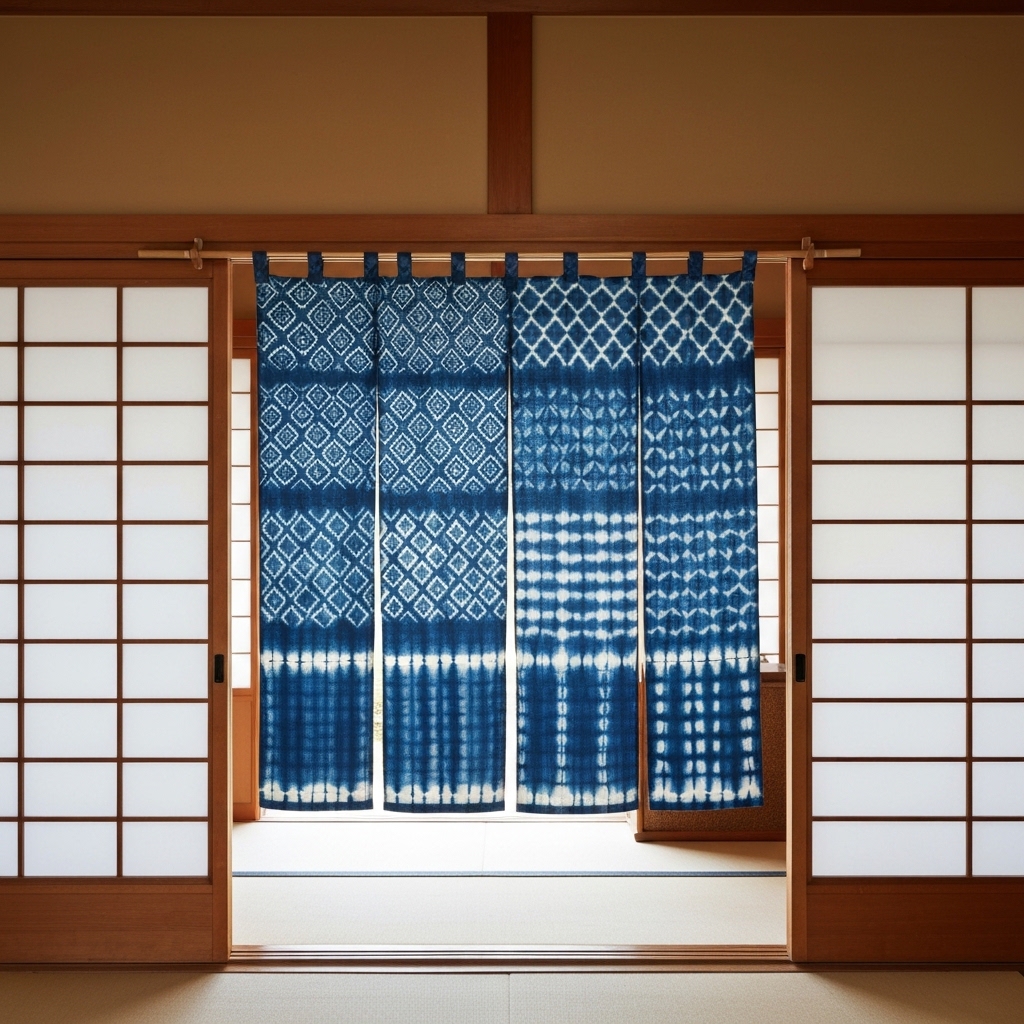
Understanding Noren Tapestry Wall Hanging: Origins and Evolution
The historical roots of noren: From shop curtains to decorative art
The humble noren (暖簾), that quintessential Japanese fabric divider, has a history far richer than its simple form might suggest. Originally, noren were purely functional. Think of them as the unsung heroes of the Edo period (1603-1868), serving as shop curtains designed to protect merchandise from dust, wind, and harsh sunlight. Imagine bustling merchant streets lined with shops, each proudly displaying its noren, often dyed with the shop's mon (紋, family crest or emblem) or trade name. These weren't just curtains; they were subtle advertisements and badges of honor.
Consider the traditional length: often around 120-150 cm (47-59 inches) long and 80-90 cm (31-35 inches) wide, allowing customers to easily pass through while still providing a degree of privacy and protection. This practical size evolved over time, influenced by the needs of different businesses. For example, a sake brewery might have a longer, sturdier noren made of thicker momen (木綿, cotton) to withstand frequent washing, while a confectionary shop might opt for a shorter, more delicate noren of asa (麻, hemp/linen).
Over time, the noren began its journey from purely utilitarian object to something more akin to decorative art. As Japan modernized, its aesthetic appeal became increasingly appreciated. The craftsmanship involved in creating a noren, particularly those utilizing techniques like katazome (型染め, stencil dyeing), was recognized as an art form in itself. While they still function as doorway dividers, the rise of the "noren tapestry" reflects a shift towards appreciating the fabric as wall decor.
Noren's symbolic meanings: Beyond functionality, what do they represent?
Beyond their practical uses, noren carry a wealth of symbolic meaning deeply embedded in Japanese culture. A clean, well-maintained noren is a sign of a reputable establishment. A tattered or faded one might suggest neglect or financial hardship. The act of passing through a noren is more than just entering a shop; it's a symbolic crossing of a threshold into a different world, a space of commerce, food, or relaxation.
The mon (紋) prominently displayed on many noren is a visual declaration of lineage, tradition, and identity. The choice of colors also carries significance. Deep indigo aizome (藍染め, indigo dyeing), a common color for noren, was historically associated with working-class garments and signified durability and practicality. Red, on the other hand, could indicate good fortune or a festive atmosphere, often seen outside izakaya (居酒屋, Japanese pubs).
The length of the noren can also convey subtle messages. A longer noren hanging low might suggest a more formal or exclusive establishment, while a shorter one invites casual entry. Think of the noren outside a ramen shop, often short and cheerful, practically beckoning hungry customers inside.
Expert Insight: When displaying a noren as a tapestry, consider its original context. A noren featuring a specific mon might feel more authentic and respectful if displayed in a way that echoes its original use, perhaps hung near a doorway or as a room divider.
Evolution of noren designs: Traditional motifs vs. contemporary styles
The design landscape of noren has undergone a fascinating evolution. Traditional motifs, like cherry blossoms (sakura, 桜), bamboo (take, 竹), and cranes (tsuru, 鶴), are perennial favorites, each laden with symbolic meaning. Our guide to traditional Japanese noren motifs covers these in depth. Cherry blossoms represent the fleeting beauty of life, bamboo symbolizes resilience and flexibility, and cranes embody longevity and good fortune. These motifs are often rendered using traditional dyeing techniques, resulting in intricate and visually stunning designs.
However, contemporary noren designs have embraced a wider range of styles and themes. You'll find noren featuring abstract patterns, geometric shapes, and even pop culture references. Designers are experimenting with new materials, beyond the traditional momen (木綿, cotton), asa (麻, hemp/linen), and kinu (絹, silk), embracing synthetics and blends to create more durable and affordable options.
The method of hanging a noren has also evolved. While traditionally hung using a saotooshi (竿通し, rod pocket) and a tsuppari-bou (突っ張り棒, tension rod) — see our full guide on how to hang a noren curtain — modern displays might utilize clips, rings, or even be framed like a piece of artwork. This adaptation allows for greater flexibility in how noren are incorporated into contemporary interior design. The evolution of noren design reflects Japan's ability to blend tradition and modernity, creating a beautiful and versatile art form that continues to capture the imagination.
Noren Tapestry Wall Hanging: Material, Construction, and Craftsmanship
Fabric Choices: Cotton, Linen, Silk, and Blends – Properties and Visual Impact
The choice of fabric profoundly impacts both the aesthetic and practical nature of a noren tapestry. While momen (木綿), or cotton, remains a staple, other fibers each offer distinct qualities.
Momen, traditionally dyed with natural pigments, provides a robust canvas for bold designs. Its inherent texture lends warmth and approachability to a space. Think of a noren at a local ramen-ya (ラーメン屋), the kind of familiar shop often featuring a simple, indigo-dyed (藍染め, aizome) cotton noren. The fabric has a subtle weight, causing it to hang with a gentle drape, catching the light softly.
Asa (麻), encompassing both linen and hemp, introduces a cooler, more refined character. Its natural breathability makes it well-suited to humid climates. The slightly coarser weave of asa creates a beautifully textured surface, which enhances the depth of the dyes used. Imagine a sheer linen noren filtering sunlight in a minimalist ryokan (旅館), the light playing across its subtle patterns.
Kinu (絹), or silk, offers the pinnacle of luxury. Its luminous sheen and fluid drape bring an unparalleled elegance. Historically reserved for the homes of the elite or ceremonial settings, silk noren present a visual feast. Consider the intricate embroidery or delicate hand-painting that might adorn a silk noren in a traditional tea ceremony (茶道, sadō) room. The flowing fabric moves with the slightest air current, adding life to the artwork.
Fabric blends provide an avenue to combine the virtues of different fibers. A cotton-linen blend, for example, can enhance the durability of linen while retaining the affordability and ease of care associated with cotton. Such blends broaden the possibilities for creating unique textures and visual effects. The key is to consider the desired look, feel, and function when selecting the fabric.
Dyeing and Printing Techniques: Katazome, Hand-Painting, Digital Prints
The method by which a design is applied to a noren dictates its character and value. Katazome (型染め), a time-honored stencil dyeing technique, embodies the precision and artistry of Japanese craftsmanship. Intricate patterns are painstakingly cut into paper stencils, which are then used to apply dye to the fabric. The result is a clear, crisp design with a distinctive handmade quality.
Hand-painting allows for an unparalleled level of artistic expression. Each stroke of the brush is deliberate, imbuing the noren with the artist's individual style and sensibility. While often pricier than other methods, hand-painted noren are truly one-of-a-kind artworks.
Digital printing offers an accessible option for producing noren with complex designs and vibrant colors. While lacking the tactile depth of traditional techniques, digital prints can faithfully reproduce intricate details and photographic imagery. The affordability of digital printing makes it a popular choice for commercial establishments seeking to promote their brand or create a specific atmosphere.
Rod Pockets, Slits, and Hanging Styles: Practical Considerations for Installation
The design of the saotooshi (竿通し, rod pocket) and the presence or absence of slits (割れ, ware) determine how a noren hangs and functions. A simple saotooshi, typically a sewn channel at the top of the noren, accommodates a rod (often a tsuppari-bou, 突っ張り棒, or tension rod) for easy installation. The size of the saotooshi must be carefully considered to ensure a proper fit with the chosen rod.
Slits serve both aesthetic and functional purposes. They allow for easier passage through the noren and contribute to its visual appeal. The number, length, and placement of the slits can dramatically alter the overall appearance. A single, central slit creates a symmetrical look, while multiple slits can add dynamism and movement.
Expert Insight: To prevent the noren from sagging in the middle when using a tension rod, choose a rod slightly longer than the width of the noren opening and extend it firmly. Alternatively, use two shorter rods, one for each half of the noren. This provides better support, particularly for heavier fabrics.
Integrating Noren Tapestry Wall Hanging Into Your Interior Design
Noren as a Room Divider: Creating Defined Spaces with Soft Boundaries
The ingenious beauty of noren (暖簾) lies in their ability to delineate space without creating harsh divisions. Think of them not as walls, but as gentle suggestions of separation. In smaller Japanese homes, noren are frequently used to separate the kitchen area from the living space, offering a visual barrier while still allowing air and conversation to flow freely. The key is choosing the right length and design. A shorter noren, perhaps 90 cm (35 inches) in length, might subtly indicate the entrance to a pantry or storage area, while a longer one, reaching almost to the floor, can effectively create a more private zone within a larger room.
Consider the transparency of the fabric. A heavier weave creates a more solid visual barrier, ideal for situations where a degree of privacy is desired. A lighter, sheer fabric, like asa (麻, hemp/linen), allows more light to pass through and creates a breezier, more open feel. The traditional placement over a doorway, for example, uses a split-curtain design that invites passage while still signifying a distinct "room". You can easily adapt this concept to larger archways or even along a longer wall, using multiple noren panels to create a flexible and visually interesting room divider. This is particularly effective in open-plan living spaces where you want to define different zones without sacrificing the overall sense of spaciousness.
Expert Insight: When using noren as a room divider in a shared space, consider the sightlines when seated. A noren hung too high will fail to provide visual privacy for those relaxing on a sofa or sitting at a table. Experiment with the height to find the right balance between openness and seclusion.
Noren as Wall Art: Using Texture, Color, and Pattern to Enhance Walls
Beyond their functional purpose, noren offer a unique way to add visual interest and texture to your walls. Unlike framed art, a noren hanging brings a tactile element to the space, inviting touch and closer inspection. The way light plays across the fabric, highlighting the weave and any subtle variations in the dye, adds depth and dimension.
Think beyond traditional floral or geometric patterns. Consider a noren featuring a single, bold kanji character expressing a desired atmosphere or aspiration. For example, a noren with the character 禅 (zen), might contribute to a calming and meditative space. Or, a noren with a design inspired by traditional ukiyo-e prints could introduce a dramatic focal point in a modern setting.
The method of hanging also impacts its artistic presentation. While using a tsuppari-bou (突っ張り棒, tension rod) offers a clean and simple look, consider alternative methods for a more unique statement. A branch of driftwood, carefully chosen for its shape and texture, can serve as a natural and organic alternative. Or, for a more modern aesthetic, consider suspending the noren from decorative hooks or rings.
Complementary Decor: Pairing Noren with Other Japanese-Inspired Elements
A noren wall hanging truly shines when integrated thoughtfully with other Japanese-inspired elements. For broader styling tips, see our guide on noren in Japanese home decor. However, avoid simply replicating a traditional Japanese room. The key is to introduce elements that complement the noren and create a cohesive and harmonious atmosphere.
Consider the principles of wabi-sabi, the appreciation of imperfection and impermanence. A simple ceramic vase holding a single branch of cherry blossom, a handcrafted wooden stool, or a tatami mat used as a rug can all subtly enhance the Japanese aesthetic.
Pay attention to lighting. Soft, diffused light is crucial for creating a calming atmosphere and highlighting the textures of the noren. Paper lanterns or lamps with shoji-style screens can provide gentle illumination and create a warm and inviting ambiance.
Don’t be afraid to mix and match. A noren with a traditional katazome (型染め) pattern can look stunning against a backdrop of minimalist modern furniture. The key is to focus on creating a sense of balance and harmony, drawing inspiration from Japanese aesthetics while still maintaining your own personal style. The goal is not to create a Japanese museum, but rather to infuse your home with the beauty and tranquility of Japanese design principles.
Creative Applications: Beyond Traditional Uses of Noren Tapestry Wall Hanging
Repurposing Vintage Noren: Transforming Old Textiles into Unique Wall Hangings
Vintage noren possess a unique charm, often bearing the marks of time and stories etched into their fabric. Rather than confining them to doorways, consider reimagining these treasured textiles as statement wall art. The key lies in highlighting their existing character and celebrating their history.
One approach involves carefully dissecting a large noren to create a gallery wall of smaller, framed panels. Focus on isolating particularly compelling motifs or sections of the design. For example, a noren from an old ryokan (旅館, traditional inn) might feature a beautifully rendered crest or calligraphy that would shine when framed individually. The reverse of the noren can reveal a "ghost" image, showcasing the dye penetration and offering a subtle, artistic shadow effect when displayed.
Another method involves creating a layered effect. Mount the vintage noren onto a stretched canvas as a backdrop, then embellish it with other found objects that complement its design. Think antique buttons, dried flowers, or even fragments of old kimonos. A noren with a simple geometric pattern could serve as a striking foundation for a more complex, three-dimensional artwork.
Expert Insight: When working with vintage noren, gently steam the fabric to remove creases before repurposing. Avoid ironing directly, especially if the fabric is delicate.
DIY Noren Projects: Basic Techniques for Creating Your Own Noren Tapestry
Embarking on a DIY noren project offers a creative avenue to personalize your living space. While intricate techniques such as katazome (型染め, stencil dyeing) may require specialized skills, basic sewing and fabric manipulation can yield stunning results.
A simple starting point is to create a noren using pre-printed fabric panels. These panels often feature traditional Japanese designs, such as cherry blossoms or carp streamers, making them ideal for beginners. Simply hem the edges and create a saotooshi (竿通し, rod pocket) at the top for easy hanging.
For a more personalized touch, consider using block printing or fabric markers to create your own designs on plain momen (木綿, cotton fabric) or asa (麻, hemp/linen). Stencils can be cut from cardboard or acetate to create repeating patterns or bold graphic motifs. When using fabric markers, be sure to choose archival-quality inks to prevent fading over time.
Alternatively, explore the art of patchwork to create a noren tapestry from fabric scraps. This technique is particularly effective for showcasing a collection of vintage textiles or for creating a visually dynamic and textured wall hanging. Consider incorporating different textures and weights of fabric to add depth and interest.
Noren-Inspired Textiles: Using Noren Patterns in Pillows, Throws, and Other Decor
The aesthetic principles behind noren design – simplicity, asymmetry, and a focus on natural motifs – can be translated into a variety of other home décor items. By drawing inspiration from the patterns and textures of traditional noren, you can create a cohesive and harmonious living space.
Consider using noren-inspired patterns in throw pillows. A simple geometric design, such as stripes or checks, can be easily adapted for pillow covers. Alternatively, you could incorporate a larger-scale motif, such as a stylized wave or mountain range.
Throws and blankets offer another opportunity to showcase noren-inspired designs. A knitted or crocheted throw featuring a traditional Japanese pattern, such as seigaiha (青海波, wave pattern), can add a touch of warmth and visual interest to a sofa or armchair. Quilting techniques can also be used to create throws with intricate noren-inspired designs.
Even smaller décor items, such as lampshades or placemats, can benefit from the noren aesthetic. A lampshade covered in fabric featuring a delicate floral print or a set of placemats with a simple geometric pattern can help to tie together the overall look of a room. The incorporation of natural materials, such as bamboo or wood, can further enhance the connection to traditional Japanese design principles.
Display and Care of Your Noren Tapestry Wall Hanging
Hanging Methods: Choosing the Right Rod, Brackets, and Suspension System
The right suspension system enhances both the aesthetic appeal and longevity of your noren. While a simple tsuppari-bou (突っ張り棒, tension rod) works for many lighter noren, larger or heavier pieces require more robust solutions. Consider the visual weight of the fabric, the size of the saotooshi (竿通し, rod pocket), and the overall style you wish to achieve.
For a floating effect, use a thin metal rod and minimalist brackets placed close to the wall. This is particularly effective for contemporary designs or when showcasing intricate patterns. Conversely, a thicker, decorative wooden rod with ornate finials lends a traditional touch, especially when paired with momen (木綿, cotton) or asa (麻, linen) noren.
When using brackets, ensure they are securely anchored to the wall, particularly for heavier fabrics like densely woven indigo-dyed cotton. The distance between the brackets should be slightly shorter than the width of the noren to prevent sagging. As a general guideline, brackets should be placed approximately 10-15 cm (4-6 inches) from each edge of the noren.
For unconventional displays, explore options beyond rods and brackets. Consider suspending the noren from decorative hooks using rings or loops sewn directly onto the top edge. This allows for greater flexibility in positioning and height adjustment. Alternatively, a system of wires and clips can create a modern, gallery-style display.
Finally, always check the rod pocket size of your noren before purchasing any hardware. Some traditional noren have narrower pockets than modern versions.
Preventing Fading and Damage: UV Protection and Optimal Placement
Sunlight is a major enemy of textile art. Prolonged exposure to ultraviolet (UV) rays can cause colors to fade and fibers to weaken, significantly shortening the lifespan of your noren.
To mitigate UV damage, avoid hanging your noren in direct sunlight. If this is unavoidable, consider using UV-filtering window film or curtains to reduce the intensity of the light. Rotating your noren periodically can also help to distribute sun exposure more evenly.
Humidity is another factor to consider. Excessive moisture can lead to mold and mildew growth, particularly in natural fibers. Ensure adequate ventilation in the room where your noren is displayed, and avoid hanging it in damp areas like bathrooms or near leaky windows.
When choosing a location, also consider potential sources of physical damage. Avoid hanging your noren in high-traffic areas where it might be snagged or brushed against frequently. Similarly, keep it away from heat sources like radiators or fireplaces, which can dry out and weaken the fibers.
Expert Insight: For aizome (藍染め, indigo-dyed) noren, consider lightly spraying it with a fabric protector specifically designed for indigo-dyed textiles. This helps to prevent crocking (color transfer) and fading.
Cleaning and Maintenance: Washing, Ironing, and Stain Removal Tips for Different Fabrics
Regular, gentle maintenance is key to preserving the beauty and integrity of your noren.
Dust is a common culprit that can dull the appearance of your noren over time. Vacuum the noren gently with a soft brush attachment every few months to remove accumulated dust and debris. Alternatively, you can shake it out carefully outdoors.
For minor stains, spot-cleaning is preferable to washing the entire noren. Use a mild detergent diluted in water and gently dab the stain with a soft cloth. Avoid rubbing, which can damage the fibers or spread the stain. Always test the cleaning solution on an inconspicuous area first to ensure it doesn't cause discoloration.
When ironing, use a low heat setting and iron on the reverse side of the fabric. A pressing cloth can help to protect delicate fabrics and prevent scorching. For intricate patterns or textured fabrics, consider steaming instead of ironing.
For heavily soiled noren, professional cleaning is recommended. Choose a cleaner who specializes in textile art and understands the unique needs of different fabrics and dyes. Be sure to communicate any specific concerns or instructions.
Finally, when storing your noren, fold it carefully and place it in a breathable cotton bag. Avoid storing it in plastic, which can trap moisture and promote mold growth. Store it in a cool, dry place away from direct sunlight. Periodically check the noren for signs of damage or deterioration, and address any issues promptly. For more detailed fabric-specific instructions, see our noren care and washing guide.
The Art of Choosing a Noren Tapestry Wall Hanging: Size, Proportion, and Style
Sizing Considerations: Measuring Your Space for the Perfect Fit
Selecting the right noren (暖簾) tapestry wall hanging involves more than just aesthetic appeal; it's about achieving visual balance within your space. Resist the urge to impulse buy a beautiful piece without first considering its dimensions in relation to its intended location. A too-small noren on a large wall can appear insignificant, while an oversized one can overwhelm the area and feel claustrophobic.
Japanese homes, often constrained by space, offer valuable lessons in proportion. Observe how noren are used in traditional ryokan (旅館, Japanese inns) or izakaya (居酒屋, Japanese pubs). Even in compact spaces, the noren never feels cramped. This is achieved through careful measurement and a keen eye for balance.
For detailed dimension guidance, consult our noren size guide. Instead of focusing solely on the overall width and length, think about the "negative space" surrounding the noren. Consider the distance between the top edge of the noren and the ceiling, as well as the distance between the sides of the noren and adjacent walls or furniture. Aim for a comfortable equilibrium.
For example, if you're placing a noren above a doorway or entryway, a good starting point is to choose a width that's approximately one-half to two-thirds of the doorway's width. If the doorway is 90 cm (approximately 35.5 inches), a noren with a width of 45-60 cm (17.75 - 23.6 inches) could be a visually pleasing choice. The length, of course, is a matter of personal preference and the overall height of the wall.
Color and Pattern Selection: Creating Visual Harmony and Focal Points
The colors and patterns of your noren should complement the existing décor. Think of it as adding a new ingredient to a well-established recipe; you want it to enhance the overall flavor, not clash with it. Analyze the dominant colors in your room – are they warm or cool? Are there existing patterns in your rugs, curtains, or upholstery?
A noren with a bold, contrasting color or pattern can serve as a powerful focal point, drawing the eye and adding visual interest to an otherwise neutral space. Conversely, a noren with subtle, muted tones can blend seamlessly into the background, creating a sense of calm and serenity.
Consider the symbolism of the motifs. In Japanese culture, certain patterns carry specific meanings. For example, crane (鶴, tsuru) motifs symbolize longevity, while wave (波, nami) patterns can represent resilience and good fortune. While understanding these nuances isn't essential, it can add an extra layer of depth and meaning to your noren selection.
If you're aiming for a minimalist aesthetic, a simple noren in a solid color or with a subtle geometric pattern may be the perfect choice. If you prefer a more bohemian look, consider a noren with a vibrant, eclectic mix of colors and patterns. The key is to choose a design that resonates with your personal style and enhances the overall ambiance of your space. Browse our noren design ideas for more styling inspiration.
Expert Insight: Before committing to a noren, temporarily hang a piece of fabric in the intended location, approximating the size and color of the noren you're considering. This will give you a better sense of how the noren will look in situ and help you avoid costly mistakes.
Matching Noren to Your Interior Style: From Minimalist to Bohemian
The versatility of the noren allows it to integrate seamlessly into a variety of interior design styles. The key is to understand the core principles of each style and choose a noren that reflects those principles.
-
Minimalist: Opt for simple, uncluttered designs with a focus on clean lines and neutral colors. A plain linen or momen (木綿) noren in white, beige, or gray can be a perfect complement to a minimalist space. Avoid overly elaborate patterns or embellishments.
-
Scandinavian: Embrace light and airy colors, natural materials, and simple geometric patterns. A noren in pastel shades or with a subtle stripe pattern can enhance the warmth and tranquility of a Scandinavian-inspired room.
-
Traditional Japanese: Seek out noren with classic Japanese motifs, such as cherry blossoms (桜, sakura), bamboo (竹, take), or calligraphy (書道, shodo). Consider a aizome (藍染め) noren, dyed with traditional indigo, for an authentic touch.
-
Bohemian: Embrace eclecticism and a mix of colors, patterns, and textures. A noren with a vibrant, hand-painted design or a patchwork of different fabrics can add a touch of free-spirited flair to a bohemian-style home. Consider the character, design, and color story of vintage textiles, like the kasuri weave or the bolder designs of dyed hemp.
-
Modern: Look for noren with bold geometric patterns, abstract designs, or unexpected color combinations. A noren in a vibrant hue, like teal or mustard yellow, can add a pop of color to a modern space.